Archived: 19 October 2026
Abstract
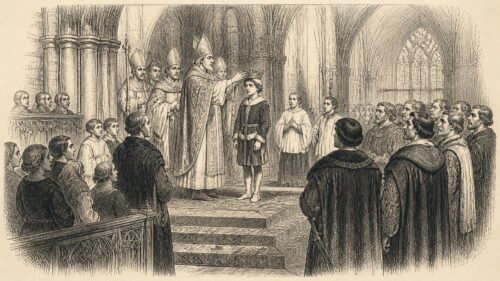
In 1487 Dublin became the base for a Yorkist challenge to Henry VII. Lambert Simnel, presented as Edward, earl of Warwick, was crowned Edward VI at Christ Church, backed by Kildare and elements of the Anglo-Irish clergy and administration. With Lincoln, German mercenaries and approximately 4,000 Irish kerns, the coalition invaded England, but was defeated at Stoke, where many Irishmen, including Thomas FitzGerald, died. Meanwhile, Gaelic lordships endured warfare, killings and contested successions. Severe storms and summer rain damaged buildings and crops. Churches suffered in raids, while poet, historian and legal scholar died. Desmond’s earl was murdered, highlighting FitzGerald instability.
Read Article
Archived: 19 October 2026
Abstract
In 1482 Ireland’s events reflected regional lordship, kinship, religion and learning rather than national change. Conn Ó Néill of east Ulster died, renowned as a warrior, protector and patron of Irish and Scottish learned people; Ó Néill violence followed. Feuds among Ó Raghallaigh, Mag Uidhir, Ó hAinligh and families exposed fragility of peace, guarantees and oaths, while alliances crossed Gaelic and Anglo-Irish lines. Annals commemorated scholars and hospitable clergy, revealing learning, guest-houses and devotion as authority. Roland Savage’s appointment and Tadhg Mac Cárthaigh’s papal provision to Ross showed English administrative and ecclesiastical connections, both constrained by local power in practice.
Read Article

Archived: 20 October 2026
Abstract
In 1446, Neachtan Ó Domhnaill led an army from Tír Chonaill through Breifne and Connacht, where Mac William of Mayo received and escorted him at Dunamon, demonstrating interlordship alliances and negotiated military movement. Connacht suffered Ó Conchobhair dynastic violence, while Clanricarde intervened in Thomond and mediated a Mac Donnchada partition. Ó Conchobhair Fáilghe raided Meath, exposing the English lordship’s vulnerable frontier. Successions, feuds and retaliatory killings affected Ulster and Leinster, including murder within Fenagh church. Annals also commemorated poets, clerics and devotees. Together, these records depict Ireland as interconnected by kinship, routes and ecclesiastical institutions, but fractured among competing lordships.
Read Article
Archived: 20 October 2026
Abstract
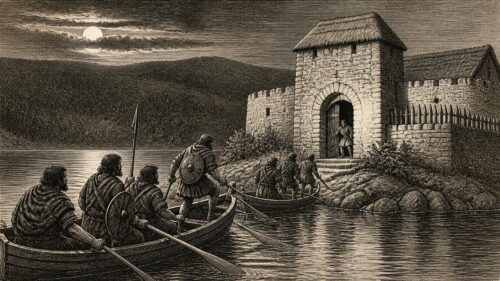
In 1421, Irish annals recorded interlocking conflicts, successions and deaths across Connacht, Breifne, Fermanagh, Offaly, Ulster and Munster. Ruaidhrí Mac Diarmata’s death brought Tomaltach’s contested succession in Moylurg, while Murchadh Ó Conchobhair’s death preceded Calbhach’s accession in Uí Fhailghe. Ó Ruairc, allied with Ó Domhnaill and Mag Uidhir, campaigned destructively against Clann Donnchadha; retaliation damaged Ó Ruairc’s residence before peace followed. Cathal Ó Ruairc seized Inis Caoin on Lough Melvin through garrison betrayal, capturing its lord and castle. Notices also commemorated bishops, nobles, Mór Mumhan, and historian Gilla Riabhach Ó Cléirigh, revealing ideals of hospitality, piety, learning and martial defence.
Read Article
Archived: 21 October 2026
Abstract
In 1419 Ireland experienced overlapping conflicts rather than a single national crisis. Eóghan Ó Néill, backed by northern allies, expelled Domnall Ó Néill from Tyrone, while Connacht forces burned Murbach and devastated Tírhugh. A major Connacht invasion of Clanricard ended in defeat at Bél Átha Lige, with heavy losses, captures and plunder. English lieutenant John Talbot’s administration seized Leinster’s Donnchadh Mac Murchadha, while Calbach Ó Conchobair escaped captivity. Succession disputes disturbed Breifne. Plague killed the scholar Dauid Ó Maolconaire; an unusually hot summer brought drought but abundant harvests. Deaths of poets, rulers and clerics highlighted patronage, learning and religious life.
Read Article
Archived: 21 October 2026
Abstract
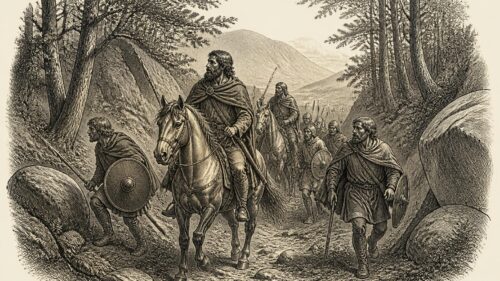
In 1391, Irish annals recorded fragmented but revealing struggles for power. Tigernán Mór Ó Ruairc escaped an ambush at a Breifne pass while travelling to meet John Ó Raighillaigh, defeating attackers despite conflicting accounts of their numbers. Diarmaid Mac Eochagáin, lord of Cenél Fiachach, died in January. Domhnall Óg Mac Carthaigh Mór, king of Desmond, died and was succeeded by his son Tadhg. In Ulster, Mac Gilla-Muire of Uí nDerca-Céin and Ó hAnluain of Oirthir were killed by kinsmen. Poet-scholar Tadhg Ó hUiginn and Bébhinn Ó Maelconaire died. English statutes applied in the Dublin lordship, but Gaelic authority remained decisive.
Read Article

Archived: 21 October 2026
Abstract
In 1390, rivalry between Tighearnán Mór Ó Ruairc of West Breifne and Tomás Mór Ó Raghallaigh of East Breifne drew allied kindreds into a great war. Maghnus Ó Ruairc escaped captivity at Lough Oughter but was killed near Lough Scur. Peace followed, secured by concessions, hostages and expulsions, though raids, forced movements and cattle losses continued. Tomás’s death brought Seán Ó Raghallaigh to power. Elsewhere, Kilbarron Castle was demolished, while legal, historical and ecclesiastical figures died. The Book of Ballymote’s late fourteenth-century compilation reflected enduring scholarly patronage. Despite English justiciar Sir John Stanley, regional lords managed conflict and settlement independently.
Read Article
Archived: 21 October 2026
Abstract
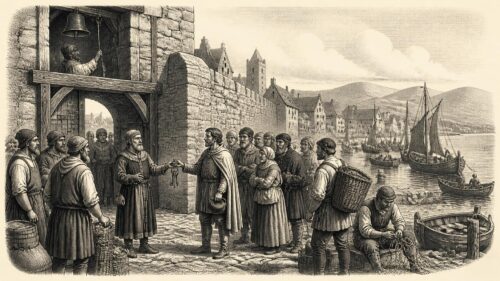
On 10 May 1389, Galway’s bell summoned burgesses and townspeople to surrender the keys of its gates to William Burke, lord of Upper Connacht, excluding royal ministers. Following a 1388 oath of fealty and grants of revenues, the action reflected local insecurity and accommodation, while retention of customs suggested caution. Galway’s choice occurred amid Connacht’s shifting wars, raids, captures, killings and pragmatic settlements, where control of resources shaped power. Annals record contested successions and deaths across Ireland. With government weakened after Robert de Vere’s fall and only later reorganised under John Stanley, authority remained fragmented among towns, lords and communities.
Read Article
Archived: 21 October 2026
Abstract
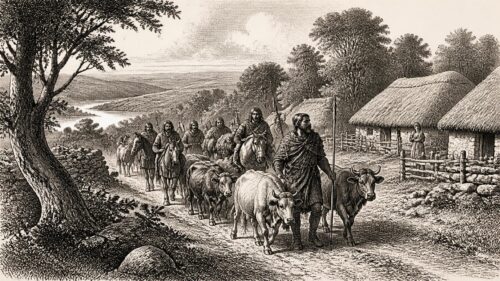
In 1376, Sir William Windsor’s recall from Ireland followed resistance to his taxation and administration, as communities defended their customary right to consent. Maurice FitzGerald and then James Butler replaced him, but weakness persisted there. Warfare continued: English forces raided Annaly, whose O’Farrell lord retaliated with destructive incursions; Bran Ó Broin regained Wicklow and Newcastle castles; and northern lords faced captivity and death. Tadhg Ó Ruairc of West Breifne died, succeeded by his brother Tighearnán. Annals also recorded deaths among distinguished Gaelic historians, poets and ollamhs, underscoring the resilience of learned institutions amid fragmented authority, frontier conflict and contested lordship.
Read Article
Archived: 23 October 2026
Abstract
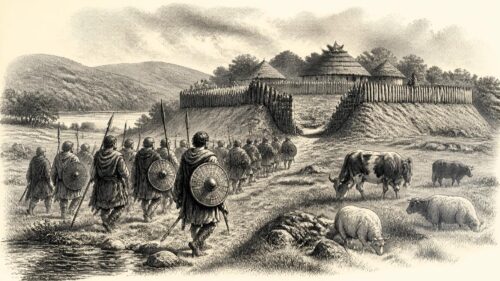
In 1352, annals from Connacht and later Four Masters record violent contests for lordship across Connacht, Breifne and Tír Chonaill. Aodh mac Toirdelbach Ó Conchobair forcibly recovered Connacht’s kingship against Gall and Gael, amid associated killings, and breached Baile an Dúin, destroying cattle and sheep. In Breifne, Aodh Ó Ruairc and his Clann Suibhne gallóglaigh were killed, while further deaths exposed unstable leadership. Aengus Ó Domhnaill’s treacherous killing triggered disputed succession in Tír Chonaill. Notices of captains, nobles and patrons reveal intertwined warfare and cultural support. Recent plague formed the background, but evidence does not establish a 1352 nationwide outbreak.
Read Article
Archived: 23 October 2026
Abstract
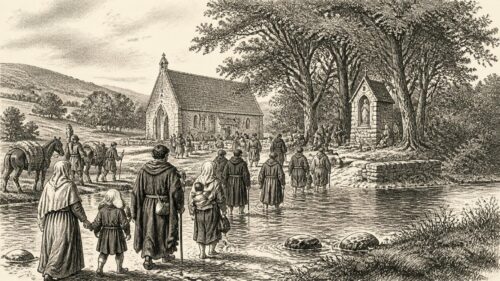
During 1349, a pestilence remembered as the Black Death became an all-Ireland crisis, although its arrival and mortality cannot be dated or quantified precisely. John Clyn recorded contagion, deaths among clergy and households, pressure on burial and care, and costly imported goods in Kilkenny. Connacht annals reported heavy losses in Moylurg, while warfare, raiding and contested lordship continued across Connacht and elsewhere. Ecclesiastical vacancies exposed institutional vulnerability, though individual causes of death remain uncertain. Clyn's final entries, ending amid violence and epidemic fear, symbolise the fragility of record-keeping. The year strained trade, worship, families and political authority without halting conflict.
Read Article

Archived: 23 October 2026
Abstract
In 1340, Connacht lordship was contested through dynastic intervention, captivity, raiding and negotiated settlement. Toirdelbach Ó Conchobair installed a ruler in Uí Maine, but resistance killed his appointee; his imprisonment of a nephew provoked Mac Diarmata opposition and a peace at Ballymote. Breifne warfare over cattle killed Domnall Ó Ruairc, while prisoners were exchanged to restore political advantage. Other kin-group killings exposed fragile local rule. Edward III pardoned Edmund Albanach and Reymund de Burgh, seeking accommodation and military service. Cill Rónáin burned, and learned men died. Sources caution against misdating Ulster entries and a supposed Franciscan foundation in later annals.
Read Article
Archived: 25 October 2026
Abstract
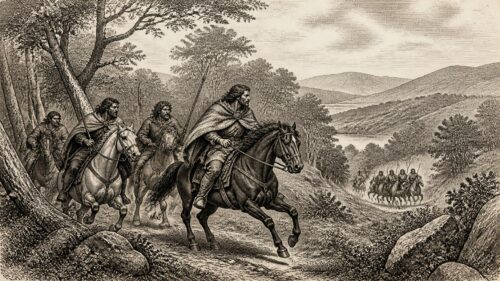
In 1275, Ireland experienced regional conflict rather than a single national crisis. In Connacht, Tadc Ó Conchobair captured his brother Ruaidrí, raided Mac Diarmata territory, and lost his prisoner after Ruaidrí escaped with Conchobar Ó hAinlide, who was killed in pursuit. In Breifne, Art Ó Ruairc died at Granard during conflict involving Anglo-Norman forces. Annals also note killings among Gaelic kindreds, an Ulster victory over the Galls, and the deaths of bishops of Raphoe and Killala. Meanwhile, Edward I supported Justiciar Geoffrey de Geneville, ordering defence measures, an inquiry, and appointments. Sources caution against misdating events assigned differently in annals.
Read Article

Archived: 25 October 2026
Abstract
In 1266, Connacht experienced conflict among Gaelic rulers, settler communities and Walter de Burgh’s lordship. Tiaquin Castle was demolished and Conmaicne ravaged, while townships, castles and grain stores were burned. Áed Ó Conchobair, king of Connacht, pursued rivals and projected authority into Bréifne, deposing Art Ó Ruairc, installing Conchobar Buide and taking hostages. His regime also used blinding as political punishment. Raids, killings and a failed Burke hosting demonstrated an unsettled balance of power. Despite warfare, monasteries, dioceses and learned families remained active, recording deaths, appointments and consecrations. Ireland’s order endured through violent, local negotiation of resources, fortifications and succession.
Read Article
Archived: 25 October 2026
Abstract
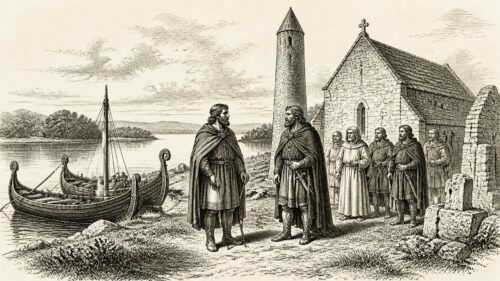
In 1259, Áed Ó Conchobair of Connacht asserted authority in Breifne by replacing rivals, taking hostages, raiding opponents and ordering blinding. At Devenish, he and Brian Ó Néill restored Domnall Ó Ruairc, demonstrating northern alliance politics and Brian’s wider influence. Áed’s marriage at Derry to Dubgall Mac Somairle’s daughter linked Connacht with the western seaways and armed support. Ulster, Thomond and Desmond saw raids, conflict and attacks affecting churches and communities. Tomaltach Ó Conchobair returned from Rome as archbishop of Tuam, while the deaths of Bishop Cormac Ó Luimlín and poet Gilla Cam marked losses to learning and ecclesiastical life.
Read Article

Archived: 25 October 2026
Abstract
In 1256, the political frontier running through Connacht and Breifne was anything but fixed. The year’s fullest surviving narrative, preserved in the Annals of Connacht and the closely related Annals of Loch Cé, records a remarkable sequence of armies, negotiations, raids, hostage-taking and local feuds. Its central event was a hard-fought encounter at Magh Slecht, near the passes of Sliabh an Iarainn, where Áed Ó Conchobair and Conchobar Ó Ruairc defeated leading men of the Uí Raghallaigh. Yet the battle was not an isolated clash: it exposed the fragile alliances and overlapping claims that shaped life in the Irish midlands.
Read Article





