Archived: 26 September 2026
Abstract
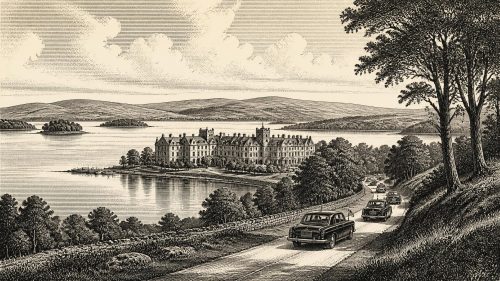
In 2013, Ireland combined cautious economic recovery with public reckoning. The Fine Gael–Labour government restructured IBRC debt, chaired the EU Council, introduced Local Property Tax, promoted tourism through the Gathering, and exited the EU–IMF bailout. Yet unemployment, emigration and household strain persisted. Following the McAleese Report, Enda Kenny apologised to Magdalen laundry survivors and backed redress. The Protection of Life During Pregnancy Act legislated limited abortion provision. Constitutional debates included marriage equality and referendums retaining the Seanad while creating a Court of Appeal. Lough Erne hosted the G8, while Northern Ireland faced flag and parade tensions. Seamus Heaney was mourned.
Read Article
Archived: 18 October 2026
Abstract
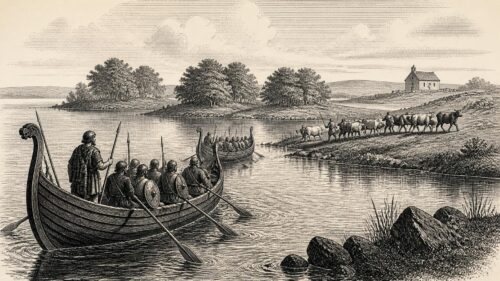
Annals for 1515 depict a politically fragmented Ireland shaped by cattle raiding, dynastic rivalry, fortified lordships and ecclesiastical life. Aodh Dubh Ó Domhnaill raided MacDermot territory, suffered a wound, and attacked Maguire lands by fleet on Lough Erne; Art Óg Ó Néill exploited his weakness in Clandeboye and campaigned in Oriel. On 25 November, Domnall Ó Domhnaill, tánaiste of Tír Chonaill, was fatally wounded by a kinsman, intensifying succession tensions. Desmond relatives contested castles in Munster, while bishops and clerics died or faced violence. Kildare retained royal favour, whereas Ormond’s death without a male heir sharpened future political rivalry thereafter.
Read Article
Archived: 19 October 2026
Abstract
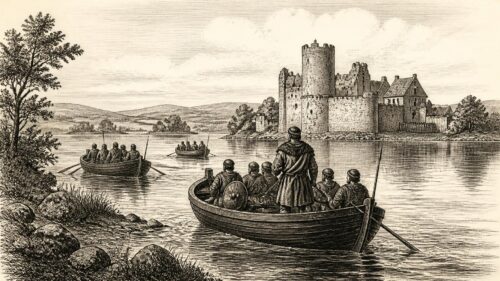
In 1508 Aodh Óg Ó Domhnaill transformed power in Fermanagh by travelling across Lough Erne, capturing Enniskillen castle from Ruaidhrí Mag Uidhir, installing a rival Maguire and taking hostages. His expeditions also reached Lower Connacht, illustrating negotiated, military lordship. Elsewhere, feuds produced killings, raids, castle destruction, exile and attacks around churches, including a St Patrick’s Day defence at Domhnach Mhaighe Dá Chlaoine. Eoghan Ó Ruairc and Margaret O’Brien began the Franciscan friary at Creevelea, demonstrating aristocratic patronage. Annals also record clerical deaths, hospitality and learning. In the Pale, parliament authorised taxation, revealing overlapping Gaelic and English political systems within Ireland.
Read Article
Archived: 19 October 2026
Abstract
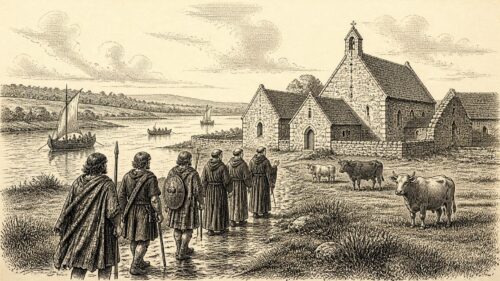
In 1479, Ireland’s diverse political and religious worlds were marked by reform, conflict and administrative adjustment. At Meelick, O’Madden patronage supported a Franciscan Observant renewal, strengthening dynastic commemoration and regional religious links. In Ulster, warfare between Tír Chonaill and Tír Eóghain involved raids, cattle seizures, ransom and hostages, burdening local communities. Obituaries around Lough Erne reveal clergy, artisans and hospitality networks underpinning lordship. In Dublin, Edward IV appointed Gerald FitzGerald, eighth earl of Kildare, deputy lieutenant, acknowledging dependence on local power. Statutes concerning merchants, civic privileges and Gaelic subjects exposed the English lordship’s porous, contested frontiers and commercial regulation alike.
Read Article
Archived: 20 October 2026
Abstract
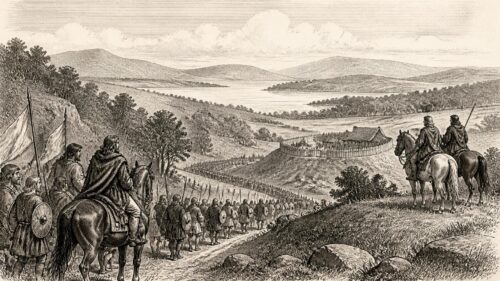
In 1456 Enrí Ó Néill consolidated power in northern Ireland after the death of his father, Eóghan, whom he had displaced as ruler of Tír Eóghain in 1455. Allied with Tomás Óg Mag Uidhir, he invaded Inis Eógain, where Domhnall Ó Domhnaill of Tír Conaill was killed on 28 May and opponents captured. Ó Néill installed Toirdelbach Cairbreach Ó Domhnaill, securing acknowledged superiority rather than annexation. Obituaries from Connacht recorded the deaths of Moylurg’s tanist Fergal Mac Diarmata, his daughter Lasarfina, and John Burke. At Lisgabhail, deaths among teachers and fosterage networks reveal ecclesiastical communities, learning, kinship and women’s roles.
Read Article

Archived: 20 October 2026
Abstract
In 1450 Thomas Óg Mág Uidhir, lord of Fermanagh, departed for Rome’s jubilee, demonstrating Gaelic lordship’s international religious connections and dependence on learned patronage. During his absence, Donnchadh Dunchadhach Maguire murdered Cathal Maguire, seized his wealth, and sought wider power; after negotiation, Edmond Maguire captured and mutilated him. Annals also record deaths of Clogher’s Maguire bishop, pilgrims and physician Tadhg Ó Cáiside, illustrating ecclesiastical and hereditary service networks. Elsewhere, Ó Néill raids, alliances and killings, and an Ó Raghallaigh settlement reshaped northern politics. Richard, duke of York, left Ireland in September, appointing Ormond deputy, thereby highlighting Ireland’s multiple political centres.
Read Article
Archived: 20 October 2026
Abstract
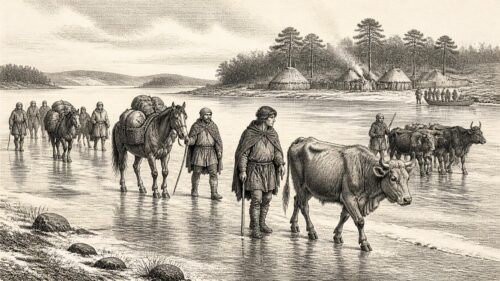
A Winter Made PassableFor Ireland, 1435 opened in a landscape temporarily remade by cold. The annals call it an exceptional frost: lakes and rivers were hard enough to be crossed on solid ice. The Annals of Ulster add an unusually vivid detail from Fermanagh. When Eóghan Ó Néill entered the region with an army, the people of Fir Manach moved cattle, horses carrying loads and other portable goods westward across Lough Erne—not in boats, but over the frozen lake. This was not merely a picturesque curiosity. It changed the practical geography of a frontier lordship. Water that normally protected communities,
Read Article
Archived: 20 October 2026
Abstract
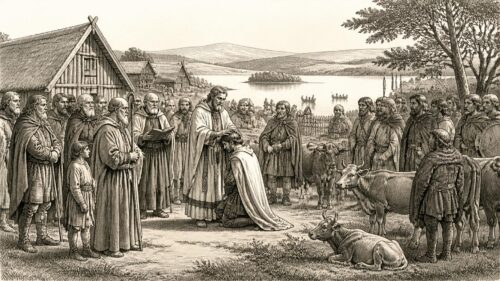
In 1430, Irish political life was marked by warfare, negotiation and succession rather than an island-wide event. Tomás Mág Uidhir died on 13 November after thirty-six years ruling Fermanagh, and his son Tomás Óg succeeded with publicly affirmed support. Eóghan O’Neill raided Oriel and Meath, securing tribute, submissions and a hostage without permanently conquering these territories. In Cork, Kilbrittain castle changed hands amid MacCarthy and Desmond conflict. Raids and rival claims affected Connacht and Breifne, where sanctuary and éraic enabled settlement. Deaths of clerics and legal scholars underline ecclesiastical and learned institutions’ roles in authority, hospitality, memory and social order.
Read Article

Archived: 21 October 2026
Abstract
In 1390, rivalry between Tighearnán Mór Ó Ruairc of West Breifne and Tomás Mór Ó Raghallaigh of East Breifne drew allied kindreds into a great war. Maghnus Ó Ruairc escaped captivity at Lough Oughter but was killed near Lough Scur. Peace followed, secured by concessions, hostages and expulsions, though raids, forced movements and cattle losses continued. Tomás’s death brought Seán Ó Raghallaigh to power. Elsewhere, Kilbarron Castle was demolished, while legal, historical and ecclesiastical figures died. The Book of Ballymote’s late fourteenth-century compilation reflected enduring scholarly patronage. Despite English justiciar Sir John Stanley, regional lords managed conflict and settlement independently.
Read Article
Archived: 21 October 2026
Abstract
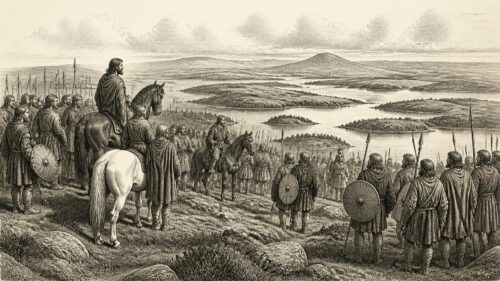
On 31 May 1379, Niall Mór Ó Néill defeated Pilib Mag Uidhir, lord of Fir Manach, and Domnall Ó Néill at Dreach, probably near Kinawley. Annals record serious Maguire losses but not the battle’s course. The victory asserted Ó Néill influence without ending Fir Manach’s power. Subsequent killings, including that of Pilib’s son Cú Chonnacht, exposed fragile lordships and kin rivalries. Notices of Gaelic, English and Hiberno-English elites, marriage alliances, church officers and learned figures reveal a plural political society. Edmund Mortimer’s October appointment as lieutenant foreshadowed intervention, though he arrived only in 1380. Ordinary people's experiences remain largely unrecorded.
Read Article
Archived: 23 October 2026
Abstract
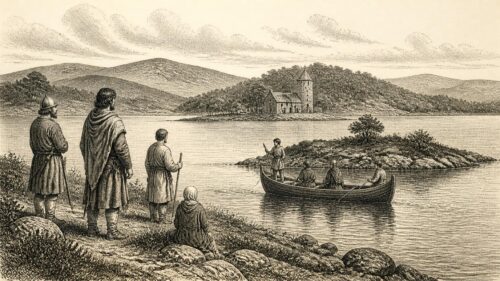
A Killing That Changed ConnachtThe most consequential Irish event securely placed in 1338 was the killing of Sir Edmund de Burgh, known in the annals as the son of the Earl of Ulster. He was captured by his kinsman Edmund Albanach de Burgh, had a stone tied about his neck, and was cast into Lough Mask. The stark formula occurs in both the Annals of Connacht and the Annals of Loch Cé. Neither supplies a day or month, and none should be invented; but both place the killing firmly within their annal for 1338.Its importance lay not merely in the
Read Article
Archived: 25 October 2026
Abstract
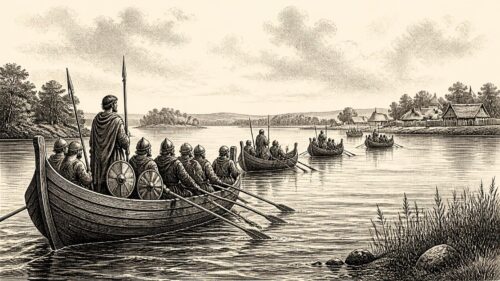
In 1272, Áed Ó Conchobair, king of Connacht, intensified resistance to Anglo-Norman power by destroying Roscommon castle, burning Athlone and Meath towards Granard, breaking Athlone’s bridge, and deploying a flotilla on Lough Ree. Fighting also killed Henry Butler of Umhaill, while dynastic violence and deaths unsettled Connacht and Breifne. Justiciar James de Audley died amid disputed circumstances, weakening royal administration, though official links with England continued. Henry III’s death brought Edward I’s succession as lord of Ireland. Annals also record elite deaths and burials, while warfare devastated settlements, resources, travel and local security across western and central Ireland that year.
Read Article

Archived: 26 September 2026
Abstract
In 1122, Tairdelbach Ua Conchobair of Connacht emerged as Ireland’s foremost overking, exploiting northern weakness after Domnall Ua Lochlainn’s death. He secured Munster’s division through submission, capture and installation of rival rulers, campaigned in Mide and towards Lough Erne, and received Leinster-Dublin recognition. Nevertheless, northern raids, Ulaid dynastic conflict and midlands warfare showed authority remained contested. Annals also record cattle raiding’s human and economic burden, revealing rural wealth and royal logistics. Ecclesiastical life saw relic discovery at Lann, prominent clerical deaths, pilgrimage, learning and gradual reform alongside older offices. Connacht’s ascendancy was influential, but Ireland remained politically fragmented in practice.
Read Article
Archived: 29 October 2026
Abstract
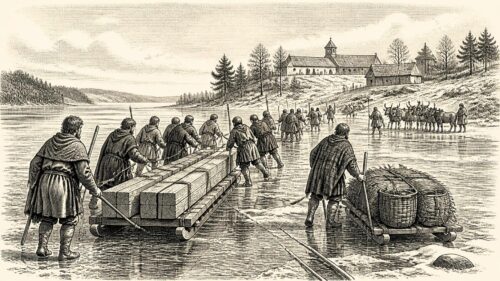
In 817, severe frost and snow transformed Ireland’s rivers and lakes into temporary routes. People crossed the Boyne dry-shod, hunted and moved livestock on Lough Neagh, and carried oratory materials across frozen Lough Erne. Áed Oirdnide, high king of Tara, imposed a partition of Leinster, while violence there dishonoured and killed church officers. Religious authority travelled: Cuanu took Mochta’s shrine to Munster, and Artrí brought Patrick’s shrine to Connacht. In the west, Uí Briúin rulers defeated Uí Maine at Forath, killing King Cathal and nobles. Fire destroyed a third of Clonmacnoise, emphasising ecclesiastical vulnerability and reconstruction during this extraordinary year.
Read Article





