
Archived: 26 September 2026
Abstract
In 2004, Ireland’s EU Presidency culminated in Phoenix Park’s welcome for ten new member states and agreement on a proposed European constitution. At home, prosperity, migration and infrastructure expansion reshaped society: Dublin’s Luas lines opened, while a workplace smoking ban transformed pubs and other enclosed venues. Voters approved the Twenty-seventh Amendment, ending unconditional birthright citizenship and leading to new nationality legislation. Elections strengthened Fine Gael and gave Sinn Féin its first European seat. Diarmuid Martin became Archbishop of Dublin, and Scouting Ireland formed. Northern Ireland’s institutions remained suspended; failed talks, paramilitary concerns and the Northern Bank robbery further deepened mistrust.
Read Article
Archived: 8 October 2026
Abstract
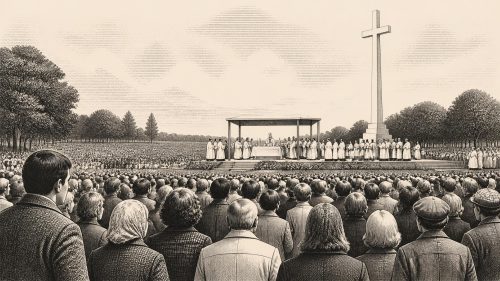
In 1979, Ireland confronted industrial disaster, political change, social reform, European integration and Troubles violence. The Betelgeuse explosion at Whiddy Island killed fifty people, exposing risks associated with oil trade. Ireland joined the European Monetary System, elected its first directly elected MEPs and hosted the European Council. Jack Lynch resigned, succeeded by Charles Haughey, whose cabinet included Máire Geoghegan-Quinn. Legislation established Údarás na Gaeltachta and cautiously legalised family planning. IRA attacks killed Lord Mountbatten and eighteen soldiers at Warrenpoint. Pope John Paul II’s visit, altered by security concerns, included an appeal for peace, encapsulating a modernising, divided and unsettled Ireland.
Read Article

Archived: 9 October 2026
Abstract
In 1939, Ireland faced both European war and republican militancy. The Government strengthened internal security through the Offences Against the State Act, while air-raid precautions reflected fears of attack. Following Germany’s invasion of Poland, constitutional amendments and the Emergency Powers Act enabled neutral Ireland to regulate security, supplies and communications. Dublin denied belligerents use of its territory and ports, despite British pressure, asserting sovereignty after the Treaty Ports’ return. Northern Ireland entered the war with Britain, underscoring partition’s consequences. Refugee appeals highlighted Nazi persecution. The December IRA raid on Dublin’s Magazine Fort demonstrated that armed challenges to State authority persisted.
Read Article
Archived: 9 October 2026
Abstract
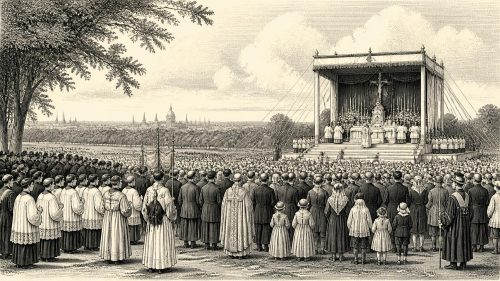
In 1932 Fianna Fáil, led by Éamon de Valera, replaced Cumann na nGaedheal through constitutional politics, marking peaceful anti-Treaty accession to Free State power. The government challenged Treaty symbols, introduced oath-removal legislation, and withheld land annuities, provoking Britain’s tariffs and the Economic War. Dublin’s International Eucharistic Congress displayed Catholic confidence, while de Valera enhanced standing at the League of Nations and Irish athletes won Olympic gold. In Northern Ireland, Stormont’s opening embodied unionist permanence. Simultaneously, Belfast outdoor-relief protests briefly united Catholic and Protestant workers against depression, securing improved payments amid police repression. Partition, hardship, sovereignty and divergent cultures remained unresolved.
Read Article
Archived: 10 October 2026
Abstract
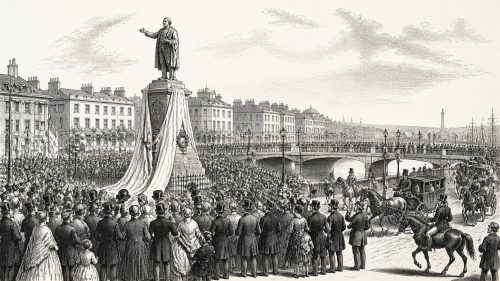
1882 in Ireland combined attempted settlement, assassination, land relief, coercion, injustice, and nationalist reorganisation. Informal negotiations between Parnell and Gladstone’s government secured nationalist releases and promised arrears relief, prompting Forster’s resignation. Days later, Irish National Invincibles murdered Chief Secretary Lord Frederick Cavendish and under-secretary Thomas Henry Burke in Phoenix Park, damaging constitutional nationalism. The government responded with the Prevention of Crime Act and the limited Arrears of Rent Act. At Maamtrasna, inadequate interpretation imperilled Irish-speaking defendants; Myles Joyce was executed and posthumously pardoned. Parnell’s supporters founded the Irish National League, while Dublin unveiled O’Connell’s monument, affirming constitutional public national aspirations.
Read Article

Archived: 12 October 2026
Abstract
In 1751, Nathaniel Clements became ranger of Phoenix Park and began the lodge later transformed into Áras an Uachtaráin, embodying the Palladian authority of Ireland’s Protestant elite. The shortened legal year, preceding Gregorian reform, altered timekeeping. Architect Richard Castle died, while actor Peg Woffington returned to Dublin’s Theatre Royal, illustrating cultural connections. Debate over Burton’s Bank’s 1733 collapse exposed insecurity. Parliament, dominated by Protestant interests and excluding Catholics, considered revenue, commerce, law, roads and charitable medicine, including Cork Infirmary. These developments reveal a connected Georgian Ireland whose growth, administration and institutions rested upon inequalities of religious, property and political power.
Read Article




