-
Sessions Disputed
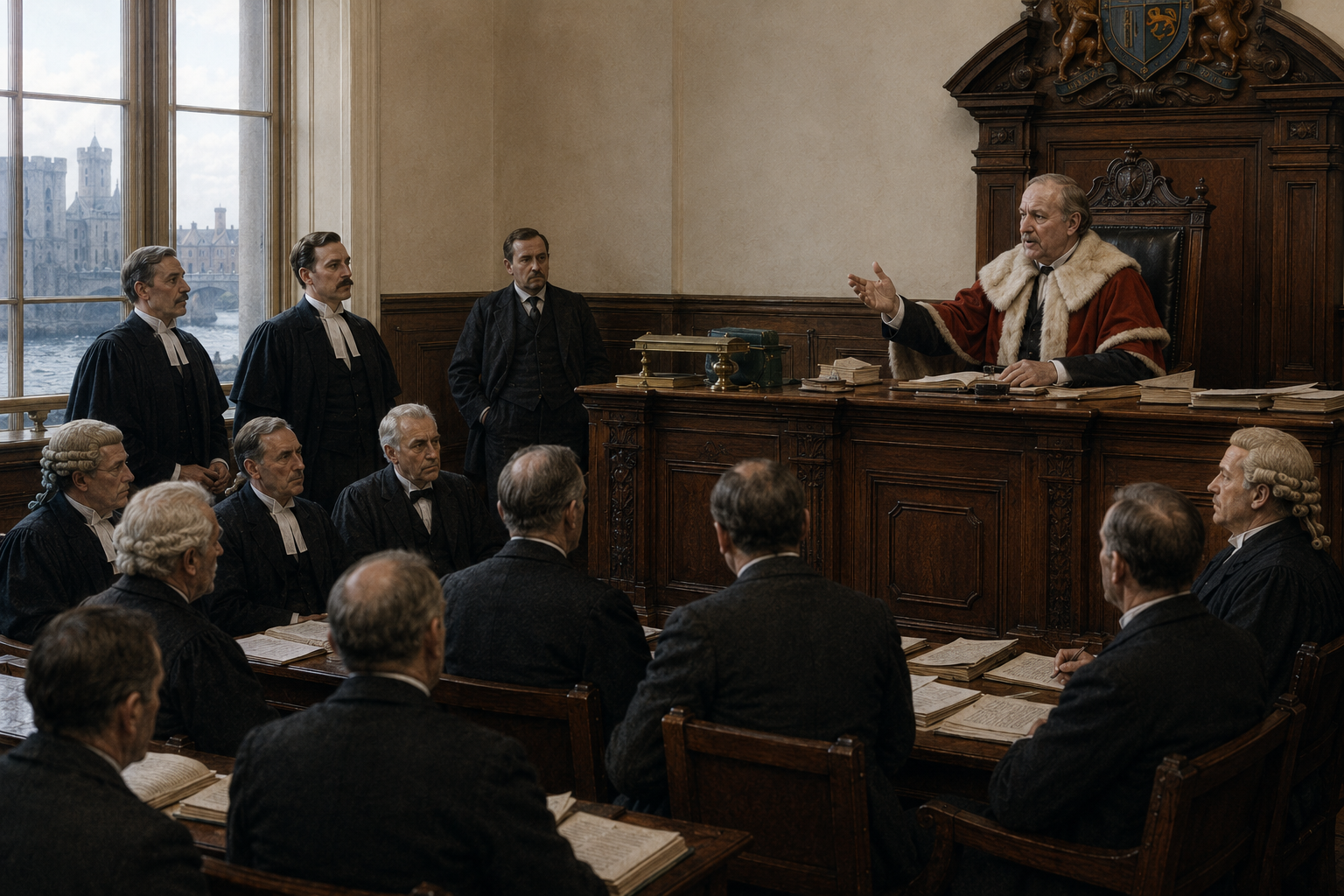
Read Article: Sessions DisputedJudge Richard Adams rejected demands that Limerick’s annual Quarter Sessions should be increased from four to eight when he opened the Hilary sittings at the County Courthouse. He asked the barristers and solicitors present whether any member of the local profession supported the proposed change. No one answered in its favour. Adams concluded that the agitation had arisen neither from those practising before the court nor from any clearly demonstrated public demand. He therefore refused to treat the requested increase as a necessary reform and declared that he would continue holding the four established sessions unless legislation compelled him to do otherwise.
The proposal concerned the practical administration of justice rather than ceremony. As County Court judge and chairman of Quarter Sessions, Adams exercised civil and criminal jurisdiction over a wide range of business. The court heard civil bills, debts, tenancy disagreements, compensation applications, malicious-injury claims and criminal cases serious enough to fall beyond the ordinary work of Petty Sessions. Doubling the number of sittings might have shortened waiting periods and spread the court’s workload more evenly across the year. It would also have required additional judicial attendance, legal preparation, jurors, officials and public expenditure.
Adams referred critically to a deputation that had approached the Lord Chancellor seeking the additional sittings. He contrasted the Limerick position with Galway, where the Recorder had reportedly agreed to hold eight sessions annually. The judge maintained that arrangements suitable for one place should not automatically be imposed upon another without evidence of need. His remarks combined humour with a firm defence of judicial independence. He made clear that informal pressure would not alter Limerick’s court calendar and suggested that any attempt to require additional sessions would need the direct authority of Parliament.
The dispute mattered to ordinary people throughout Limerick city and county. A delayed civil claim could leave a tradesman without payment, a tenant uncertain of possession or a family waiting for compensation after property had been damaged. Criminal proceedings also affected witnesses, defendants, victims and jurors required to attend the courthouse. More frequent sittings might improve access to justice, but they could equally increase legal expenses and county costs if the existing workload did not justify them. The silence of the assembled legal practitioners strengthened Adams’s argument that the demand had not emerged from those confronting the court’s delays and pressures every day.
No immediate alteration followed the judge’s declaration, and the traditional quarterly arrangement remained in place. The confrontation revealed an important tension within Irish administration at the beginning of the twentieth century: central authorities and public deputations could advocate uniform reform, while local judges claimed detailed knowledge of their own courts. Adams did not deny that access to justice mattered; he disputed the evidence that eight annual sittings would improve it in Limerick. His refusal placed responsibility upon reformers to demonstrate genuine local need before asking the county to support a larger and potentially more expensive judicial system.
- Irish Times, “Jurisdiction of Courts: Judge Adams’s Opinion,” 3 January 1900, p. 6.
- Freeman’s Journal, report on the opening of the Limerick Quarter Sessions and Judge Adams’s opposition to more frequent County Court sittings, 4 January 1900, p. 6.
- Munster News, report on Judge Adams opening the Hilary Quarter Sessions at Limerick County Courthouse, January 1900; exact issue and page not confirmed.
- County Officers and Courts (Ireland) Act 1877, 40 & 41 Vict., c. 56, provisions governing Irish County Courts, Civil Bill Courts and chairmen of Quarter Sessions.
- National Archives of Ireland, Court Records Pre-1922, Courts of Crown and Peace, Quarter Sessions and County Court records.
-
Terminus Tragedy
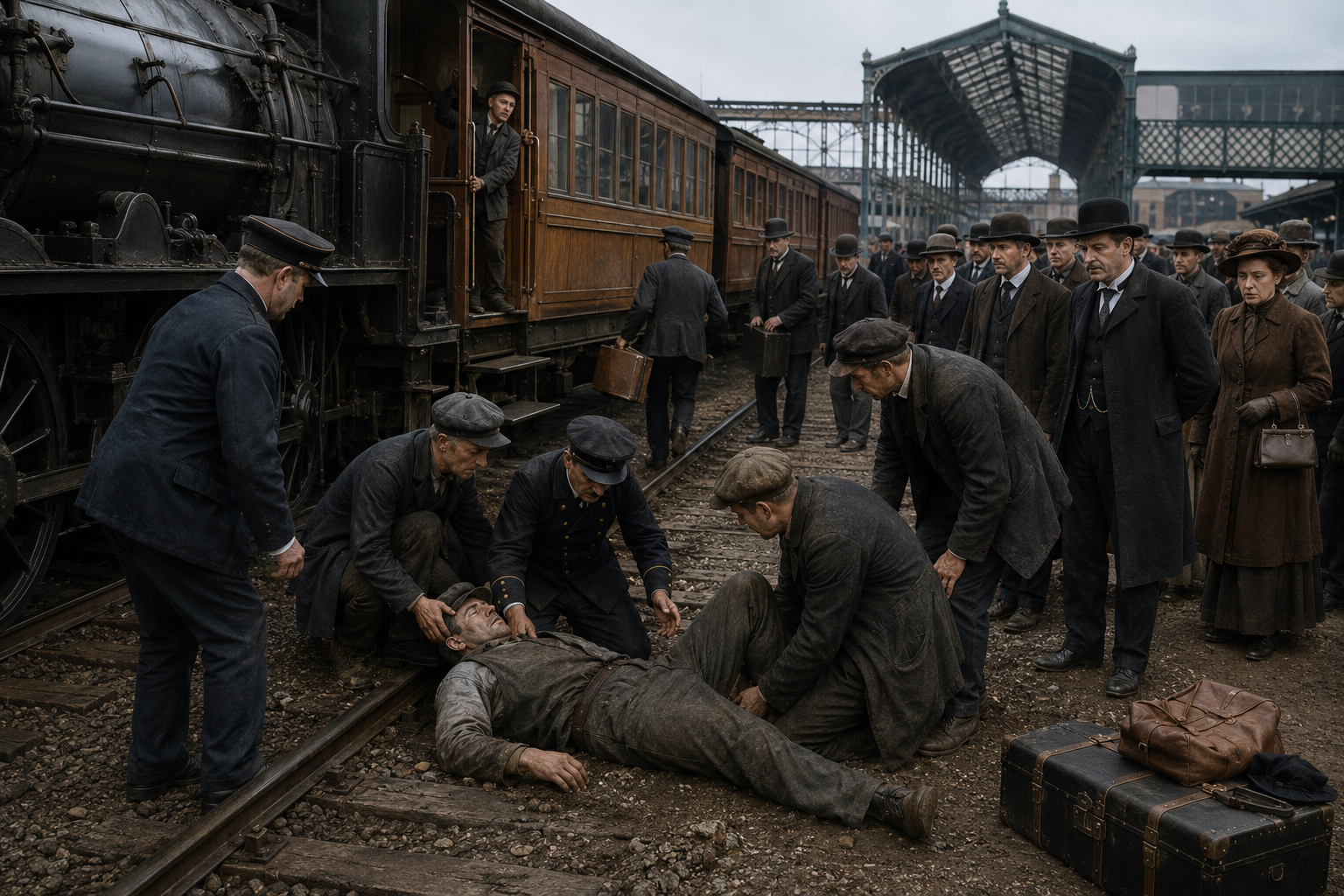
Read Article: Terminus TragedyA serious accident at Limerick railway terminus left labourer James Davoren requiring the amputation of his right leg. The Irish Times reported on 2 January 1900 that Davoren had gone to the station to see his brother, described as a solicitor, depart by train for Fermoy. During the farewell, he fell from the platform onto the permanent way and was caught beneath the passing train. Railway staff and bystanders found him lying on the rails after the carriages had cleared. He was removed without delay to Barrington’s Hospital, where surgeons determined that the injured limb could not be saved.
A second contemporary account described Davoren as being pulled from the platform while bidding his brother goodbye. The precise movement that caused his fall remains uncertain, but both reports agree that he passed beneath the train and suffered catastrophic injury to one leg. The Freeman’s Journal stated that he was progressing as favourably as could be expected following the amputation. Its report also declared that no blame attached to railway officials. That conclusion did not lessen the severity of the event, but it indicates that the newspapers treated the accident as a sudden personal misfortune rather than alleging negligence by station employees.
The same report identified Davoren’s injury as the third serious accident at the Limerick terminus during the Christmas and New Year holidays. The surviving account does not provide details of the two earlier incidents, so their causes and consequences cannot safely be reconstructed. The statement nevertheless suggests that the station had experienced an alarming concentration of accidents during a period of increased passenger movement. Families, friends, porters and travellers crowded platforms as trains arrived and departed, while steam, noise, smoke and moving carriages created hazards for anyone standing too close to the platform edge or attempting a final farewell.
Rail travel had become essential to Limerick’s social and commercial life by the beginning of the twentieth century. The terminus connected local passengers with towns across Munster and linked the city’s shops, industries, cattle trade and agricultural hinterland with wider markets. Stations were also public meeting places where relatives accompanied departing passengers and often remained on the platform until trains moved away. Davoren was not reported as a passenger or railway employee; he was present because of a family departure. His injury demonstrated that the risks of rail travel extended to visitors as well as to those holding tickets or working upon the line.
The accident also placed Barrington’s Hospital within the city’s emergency response to industrial and transport injuries. Surgeons faced the immediate task of preventing further blood loss and infection after damage too extensive for the limb to be preserved. For Davoren, survival came with permanent disability at a time when a labourer’s livelihood depended heavily upon physical strength and mobility. Contemporary reporting ended with his postoperative condition and offered no account of his later recovery, employment or family circumstances. His case remains a stark record of how expanding transport networks brought convenience and opportunity while exposing ordinary Limerick people to sudden, life-changing danger.
- Irish Times, “Accident at Limerick,” 2 January 1900, p. 6.
- Freeman’s Journal, “Train Accident,” 3 January 1900, p. 7.
- Gerard Hannan, “Limerick — January 1900,” Irish Media Man, 28 February 2013, transcription reproducing the two contemporary newspaper reports and identifying their dates and page numbers.
- Regulation of Railways Act 1889, 52 & 53 Vict., c. 57, contemporary statutory background concerning railway safety and regulation.
- Barrington’s Hospital records and administrative collections, Limerick Archives; no specific surviving patient record for James Davoren has been confirmed.
-
Legal Resistance
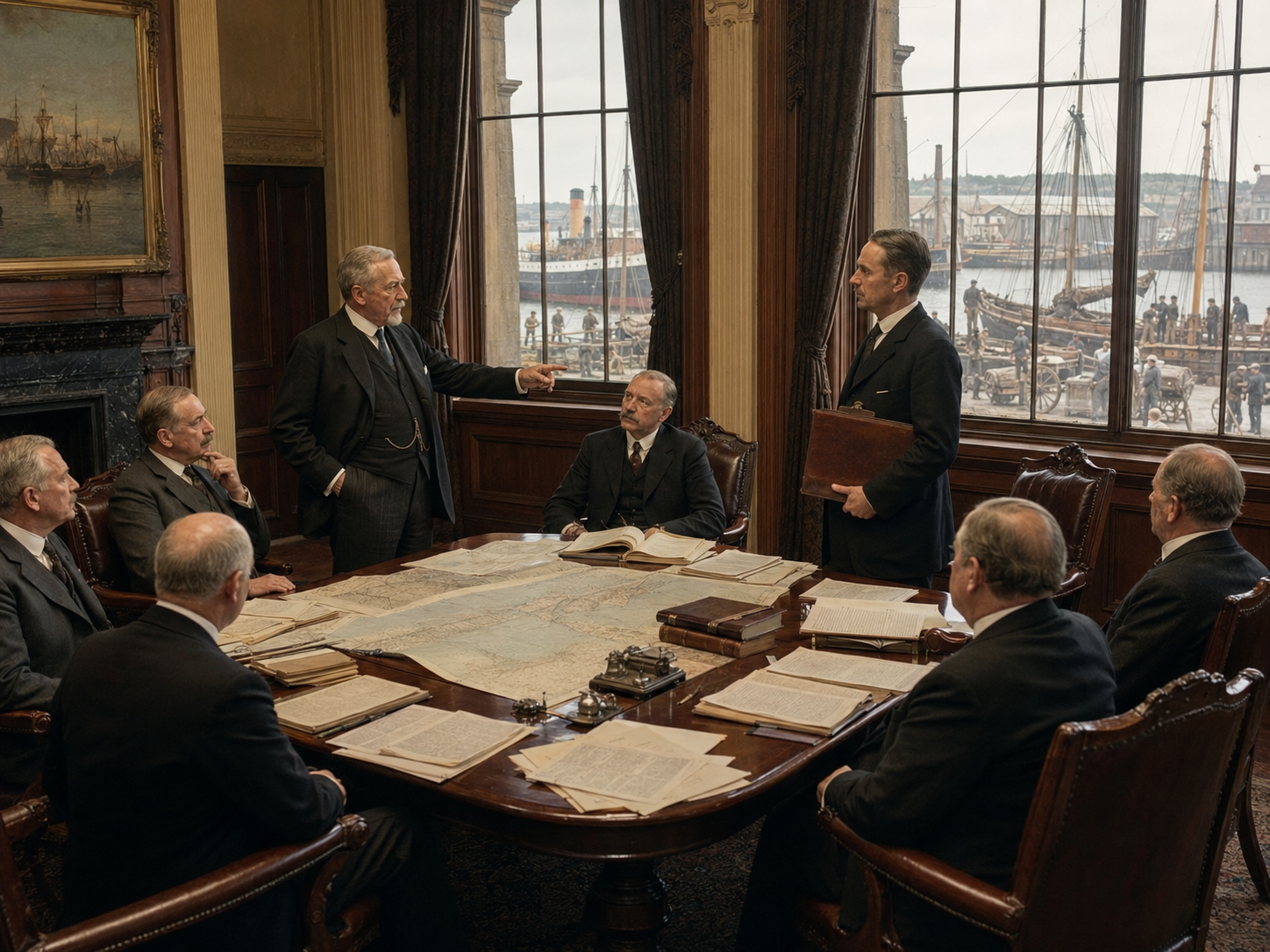
Read Article: Legal ResistanceLimerick Harbour Commissioners instructed the Dublin solicitor George Fottrell to organise formal opposition to renewed proposals for railway amalgamation. The decision, reported on 2 January 1900, also authorised him to retain an experienced King’s Counsel to represent the harbour authority during the expected parliamentary struggle. Commissioners had resisted a similar scheme during the previous year and regarded its revival as a direct threat to the commercial independence of Limerick. By securing legal expertise at an early stage, they ensured that the port’s objections would be supported by evidence, parliamentary procedure and professional advocacy rather than confined to local resolutions.
The proposed transaction would absorb the Waterford, Limerick and Western Railway into the Great Southern and Western Railway, already the largest railway undertaking in Ireland. The smaller company operated an extensive network linking Limerick with Waterford, Sligo, Tralee, Foynes and agricultural districts throughout the west and south. Opponents feared that its disappearance would remove an important element of competition and allow the enlarged company greater control over freight rates, timetables and routes. The Commissioners therefore treated amalgamation as a question affecting the balance of transport power across Ireland rather than a routine transfer between private companies.
Railway charges exercised a powerful influence upon Limerick Harbour because goods entering or leaving the port depended upon efficient inland connections. Grain, coal, livestock, dairy produce, manufactured goods and imported materials moved between ships, warehouses, factories, farms and railway sidings. Higher freight rates or poorer services could make Limerick less competitive than Dublin, Cork or Waterford and might encourage merchants to redirect trade through other ports. Commissioners responsible for the harbour’s revenue and development feared that a railway monopoly could determine commercial traffic according to the interests of its wider system rather than those of the Shannon port.
The appointment of Fottrell and senior counsel prepared the Harbour Commissioners to oppose the promoters before parliamentary committees examining the amalgamation bill. Legal representatives could challenge company witnesses, present freight comparisons and explain how earlier railway competition had reduced charges on routes serving Limerick and surrounding districts. The campaign would require cooperation with Limerick Corporation, County Council representatives, merchants and other bodies threatened by railway concentration. It would also involve considerable expense, but commissioners believed that the long-term cost of losing independent competition could exceed the immediate price of solicitors, counsel and parliamentary evidence.
The Commissioners’ action marked the beginning of an organised campaign that broadened across Limerick during January 1900. The Corporation later authorised formal opposition, while county and harbour representatives assembled evidence concerning trade, employment and transport. Parliament nevertheless approved the amalgamation in August, and the Waterford, Limerick and Western Railway ceased to exist independently at the beginning of 1901. The decision to retain Fottrell remains significant because it showed how strongly Limerick’s commercial leadership associated railway competition with the prosperity of its port, industries, shops, cattle trade and agricultural hinterland.
- Freeman’s Journal, “The Railway Amalgamation Proposals: Action of Limerick Harbour Commissioners,” 2 January 1900, p. 6.
- Limerick Harbour Commissioners Collection, IE LA P2, board and secretary records concerning opposition to railway amalgamation, Limerick Archives.
- House of Commons Debates, “Great Southern and Western and Waterford, Limerick, and Western Railway Companies Amalgamation Bill [Lords],” 1 August 1900, vol. 87.
- Reports from the Joint Select Committee on the Great Southern and Western and Waterford, Limerick, and Western Railway Companies Amalgamation Bill, Parliamentary Papers, 1900, paper 196, vol. X.
- Great Southern and Western and Waterford, Limerick and Western Railways Amalgamation Act 1900, 63 & 64 Vict., c. ccxlvii.
- C. E. J. Fryer, The Waterford and Limerick Railway, Headington: Oakwood Press, 2000.
- Ernie Shepherd, Waterford, Limerick and Western Railway, Hersham: Ian Allan Publishing, 2006.
-
Shannon Opposition
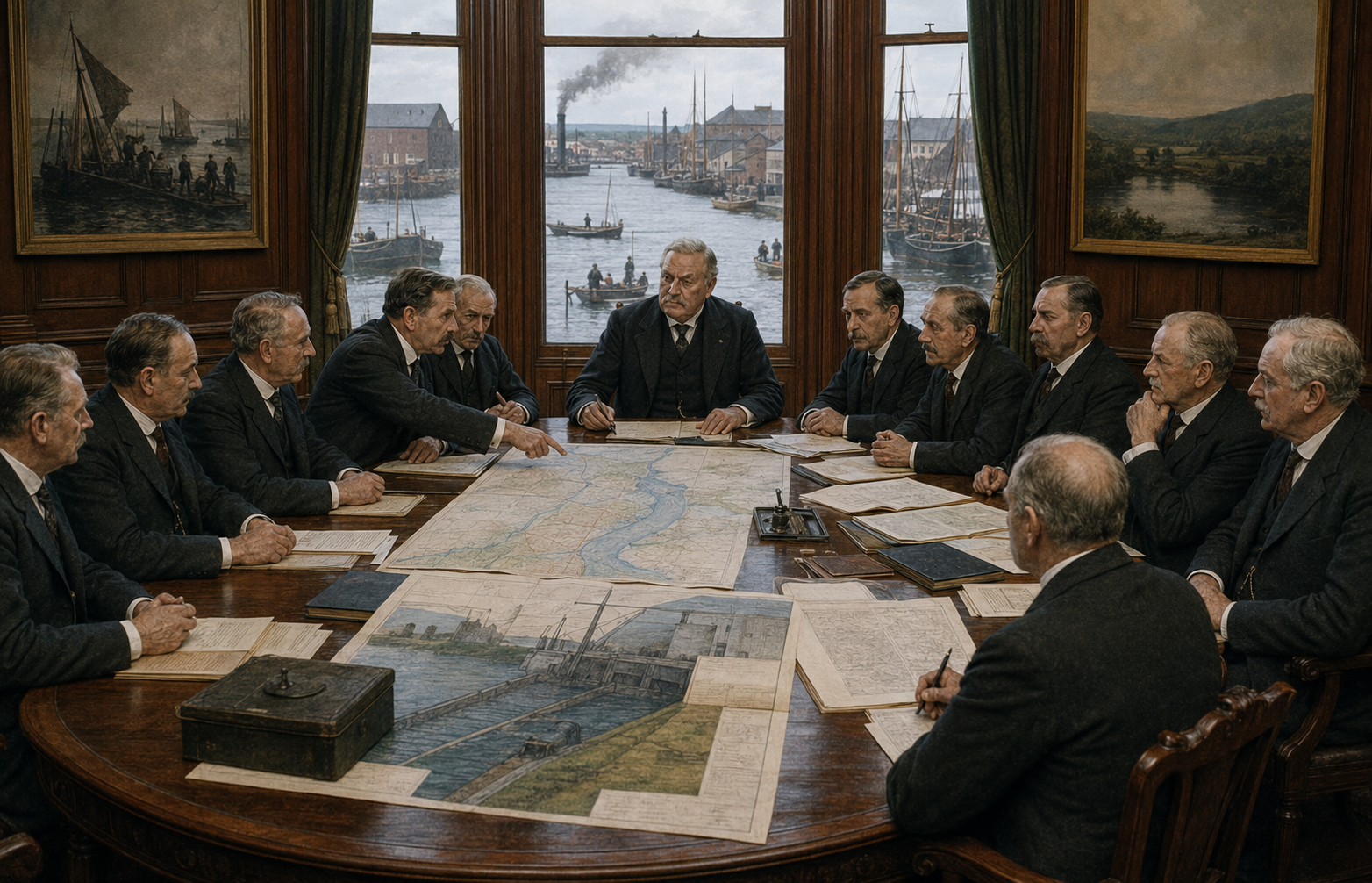
Read Article: Shannon OppositionThe surviving newspaper evidence dates this report to 2 January 1900 rather than 1 January, although the meeting itself may have occurred immediately beforehand. The Limerick Fishery Conservators, presided over by Lord Massy, unanimously resolved to oppose the Shannon Water and Electric Power Company’s proposed parliamentary bill. Promoters sought authority to harness Shannon water near Lough Derg and carry it through engineered channels to generate electricity at Clonlara. The Conservators regarded the project as a serious threat to interests already dependent upon the river and resolved to organise opposition before Parliament granted the company extensive powers.
Electricity promised cheaper power, new industry and improved municipal services, but opponents believed the proposed works placed established livelihoods at unacceptable risk. Diverting large quantities of water from the natural channel could alter the level of Lough Derg and reduce flows through important reaches of the Shannon. Fishery owners feared that salmon would be unable to reach tributaries and spawning beds, while mill and factory owners worried that machinery driven by river water might become unreliable. Navigation interests also questioned whether lower levels would obstruct boats, quays and commercial movement between lakeside communities and Limerick.
The Conservators’ resolution gathered several affected groups into a common campaign. Principal fishery owners, riverside proprietors, millers, factory owners and people using the Shannon for navigation were invited to resist the bill. Copies were to be sent to the Chief Secretary for Ireland, the Commissioners of Public Works, Limerick Corporation, parliamentary representatives and local authorities throughout counties connected with the river. The breadth of this circulation reflected the Shannon’s economic geography. A project centred near Clonlara could affect communities far beyond the generating station because fisheries, navigation, drainage and trade depended upon water conditions throughout the connected river system.
Limerick’s municipal water supply created another urgent concern. The city drew water from the Shannon system, and local officials feared that engineering works might interfere with the quantity or reliability of water reaching the urban population. Any disturbance could affect households, institutions, businesses and public health. The dispute therefore forced Limerick people to consider competing forms of progress. Electrical power might encourage industry and modern lighting, but the promised benefits appeared less attractive when measured against possible damage to drinking water, fishing employment, riverside mills, harbour traffic and the natural processes sustaining the river.
The campaign did not end the scheme. Official inquiries and parliamentary argument continued, while promoters later accepted clauses intended to preserve minimum river flows, fish passage, navigation and municipal water interests. Parliament eventually authorised a revised undertaking in 1901, though the private development was never completed. The Conservators’ unanimous opposition nevertheless established the central terms of Limerick’s early hydroelectric debate. Modern engineering would not be judged solely by the power it promised to generate. It would also be measured by whether fisheries, navigation, public water, existing industries and communities along the Shannon could survive the changes imposed upon the river.
- Irish Times, “Shannon Water and Electric Power Company,” 2 January 1900, p. 7.
- Irish Times, “Limerick Fishery Conservators: The Shannon Water and Electric Power Bill,” 5 January 1900, p. 3.
- Limerick Fishery Board of Conservators Collection, IE LA P48, Limerick Archives.
- House of Lords Debates, “Shannon Water and Electric Power Bill,” 23 July 1900, vol. 86.
- House of Lords Debates, “Irish Fisheries—Inspectors’ Reports,” 23 July 1900, vol. 86.
- Shannon Water and Electric Power Act 1901, 1 Edw. 7, c. cxxxvi, royal assent 26 July 1901.
-
Unity Resolutions
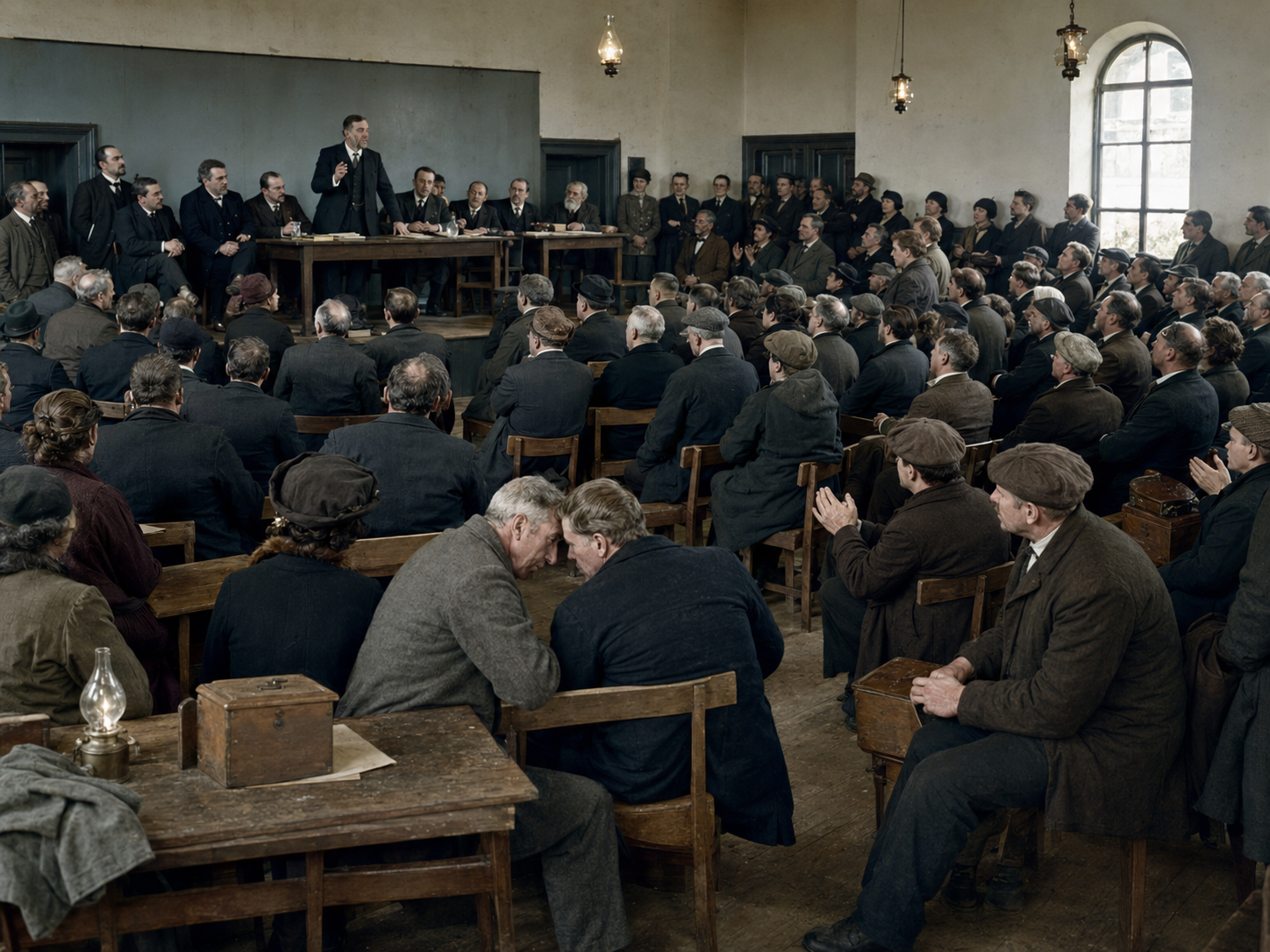
Read Article: Unity ResolutionsLocal political organisations passed resolutions supporting a united Irish parliamentary representation as impatience grew with the divisions inherited from the fall of Charles Stewart Parnell. United Irish League branches, nationalist associations and constituency bodies increasingly argued that rival parliamentary groups should place national interests above personal quarrels. Their declarations carried no direct authority over individual MPs, but they reflected the opinion of activists who organised meetings, raised subscriptions and supplied much of the labour required during elections. Continued factionalism therefore threatened not only parliamentary effectiveness but the willingness of local supporters to sustain representatives who refused to cooperate.
The resolutions were directed towards political leaders divided among several organisations. John Redmond headed the principal Parnellite body, John Dillon remained the most influential anti-Parnellite leader, and Timothy Healy commanded an independent following. William O’Brien’s United Irish League sought to force these figures towards reunion by building pressure from constituencies rather than waiting for agreement at Westminster. Local bodies demanded a common leadership, coordinated voting and disciplined support for agreed candidates. Their language of unity also contained an electoral warning: MPs who remained attached to factional rivalry might find themselves opposed by candidates enjoying the backing of a vigorous popular organisation.
Supporters connected parliamentary reunion with practical political objectives. Home Rule, land reform, the restoration of evicted tenants and improvements in local administration required Irish MPs to act together if they were to influence governments at Westminster. Separate factions allowed ministers to disregard nationalist claims or negotiate selectively with competing leaders. Local resolutions consequently presented reunion as the machinery through which public demands could be translated into legislation. They did not necessarily imply admiration for every proposed leader. Instead, they expressed the belief that elected representatives should accept collective discipline and use their combined voting strength on behalf of Irish constituencies.
The campaign had clear relevance for Limerick, whose city and county representatives depended upon wider parliamentary cooperation to advance local and national interests. The surviving evidence does not justify attributing a particular resolution to every Limerick political organisation, but local voters participated in the same culture of meetings, deputations and formal declarations. Questions involving land purchase, labourers’ housing, railway policy, harbour trade and Home Rule could not be pursued effectively by isolated MPs. For Limerick nationalists, a reunited party offered the prospect that constituency concerns would form part of a coordinated Irish programme rather than become weakened by disputes among rival leaders.
The accumulating pressure contributed to the formal reunion of the Irish parliamentary factions in January 1900. John Redmond became chairman of the reconstructed Irish Parliamentary Party, while Dillon, Healy, O’Brien and their followers entered a common organisation without abandoning every disagreement. Local resolutions had not settled disputes over leadership, finance, candidate selection or control of the United Irish League, but they had made continued division politically costly. Reunion therefore emerged from more than negotiation among prominent parliamentarians. It also reflected organised pressure from branches, associations and constituency workers who insisted that Ireland should again possess one disciplined representation at Westminster.
- Philip Bull, “The United Irish League and the Reunion of the Irish Parliamentary Party, 1898–1900,” Irish Historical Studies, vol. 26, no. 101, May 1988, pp. 51–78.
- John Redmond to John Dillon and T. M. Healy, 24 July 1899, John Redmond Papers, National Library of Ireland, MS 15,182/2/1.
- John Dillon to John Redmond, 26 July 1899, John Redmond Papers, National Library of Ireland, MS 15,182/2/2.
- Freeman’s Journal, 18 April 1899.
- Freeman’s Journal, 6 May 1899.
- Freeman’s Journal, 20 May 1899.
- Freeman’s Journal, 22 May 1899.
- Mayo News, 27 January 1900.
- William O’Brien, An Olive Branch in Ireland and Its History, London: Macmillan, 1910.
- F. S. L. Lyons, The Irish Parliamentary Party, 1890–1910, London: Faber and Faber, 1951.
-
Press Demands
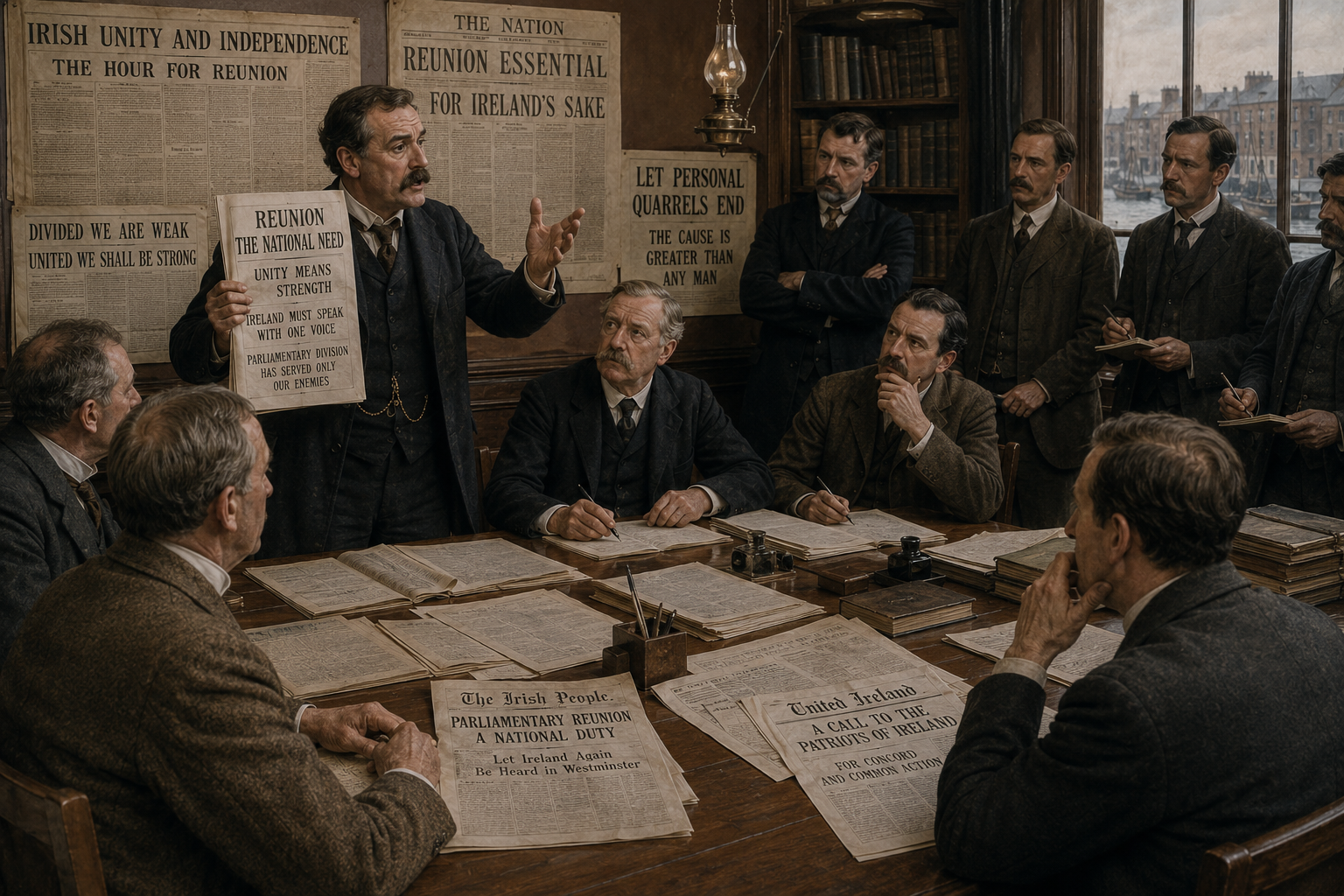
Read Article: Press DemandsNationalist newspapers increasingly presented reunion as essential if Ireland was to recover influence at Westminster after almost a decade of parliamentary division. Since the split over Charles Stewart Parnell’s leadership in 1890, rival Parnellite, anti-Parnellite and Healyite groups had competed for authority, funds and constituencies while claiming allegiance to the same national cause. Editorials and political reports warned that British governments could disregard Irish demands when nationalist MPs lacked common leadership and discipline. Reunion was consequently framed not simply as reconciliation between prominent personalities, but as the practical means by which Ireland might again act as a recognisable parliamentary force.
The Freeman’s Journal remained one of the most influential voices within constitutional nationalism, although its position reflected the complicated loyalties created by the split. Other titles associated with nationalist opinion, including the Mayo News and William O’Brien’s Irish People, gave extensive attention to the United Irish League and the pressure for political reconstruction. These newspapers did not always agree about John Redmond, John Dillon, Timothy Healy or O’Brien, but their coverage helped establish a shared argument: factional rivalry had weakened the representation of Ireland at the precise place where legislation, taxation and administrative policy were decided.
The force of that argument depended upon the arithmetic and customs of the House of Commons. Irish MPs could bargain with governments, obstruct business and influence close divisions only when they voted together under an accepted leadership. Separate factions permitted ministers and opposition leaders to negotiate selectively or ignore nationalist demands altogether. Newspapers connected reunion with Home Rule, land reform, evicted tenants and administrative change, reminding readers that public meetings and constituency organisation could achieve little if elected representatives neutralised one another at Westminster. Parliamentary unity was therefore portrayed as political machinery rather than an act of personal forgiveness.
The debate mattered directly to readers in Limerick city and county, whose nationalist representatives required support from a disciplined Irish party to advance local and national concerns. Newspapers arriving through rail, postal and commercial networks carried reports of negotiations into homes, reading rooms, public houses and political organisations. The surviving evidence does not justify attributing one opinion to every Limerick reader, but the practical argument was readily understood. Land purchase, labourers’ housing, harbour interests, railway policy and Home Rule all depended upon coordinated representation capable of placing sustained pressure upon ministers rather than a collection of MPs divided by inherited personal loyalties.
Press advocacy contributed to the atmosphere surrounding the reunion meeting of 30 January 1900, when the parliamentary factions formally came together and later selected Redmond as chairman. Newspapers could celebrate the restoration of a common organisation, but they could not remove the mistrust accumulated since the Parnell crisis. Dillon, Healy, O’Brien and Redmond continued to disagree over leadership, electoral organisation and the authority of the United Irish League. Nevertheless, reunion gave nationalist journalism a single parliamentary body whose actions could be defended, criticised and measured against national expectations. Ireland again possessed a coordinated representation at Westminster, even though unity remained dependent upon compromise.
- Freeman’s Journal, 6 May 1899.
- Freeman’s Journal, 20 May 1899.
- Freeman’s Journal, 3 August 1899.
- Freeman’s Journal, 8 August 1899.
- Mayo News, 27 January 1900.
- The Times, 31 January 1900.
- Philip Bull, “The United Irish League and the Reunion of the Irish Parliamentary Party, 1898–1900,” Irish Historical Studies, vol. 26, no. 101, May 1988, pp. 51–78.
- F. S. L. Lyons, The Irish Parliamentary Party, 1890–1910, London: Faber and Faber, 1951.
- National Library of Ireland, The Freeman’s Journal, historical account identifying the newspaper’s relationship with the Irish Parliamentary Party at Westminster.
-
Factional Legacy
Read Article: Factional LegacyThe legacy of the Parnell split continued to govern personal relationships within Irish nationalism nearly a decade after the parliamentary rupture of December 1890. Charles Stewart Parnell’s refusal to surrender the party leadership during the O’Shea divorce crisis divided former colleagues into Parnellite and anti-Parnellite camps. Political argument became inseparable from accusations of loyalty, betrayal, clerical interference and personal ambition. Parnell’s death in October 1891 removed the leader around whom the conflict had formed, but it did not reconcile the men who had defended or rejected him. Those memories endured within parliamentary factions, newspapers, constituencies and private correspondence.
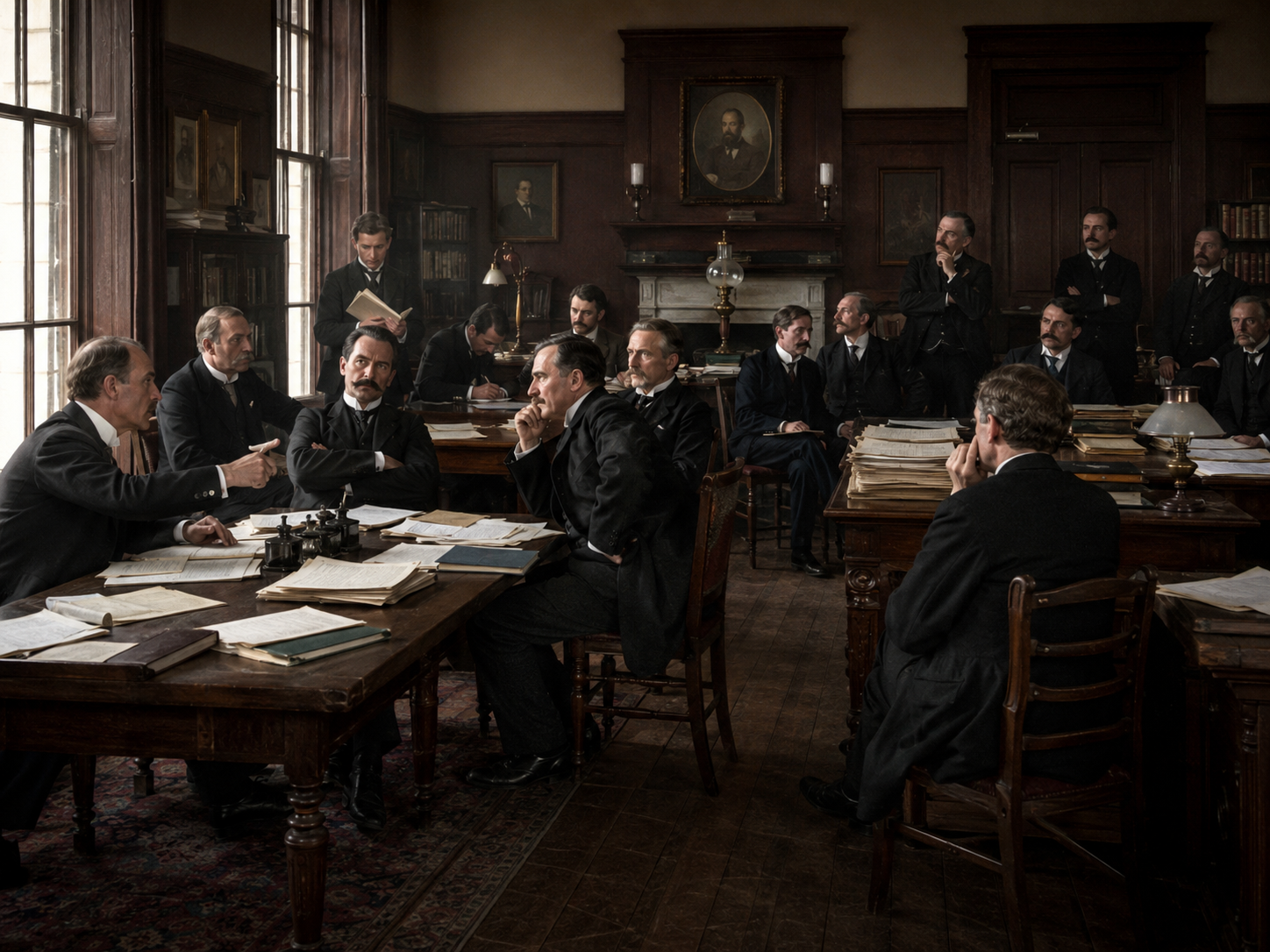
John Redmond became leader of the principal Parnellite group, while John Dillon emerged as the dominant figure among the anti-Parnellite majority. Timothy Healy, who had attacked Parnell with unusual force during the crisis, later broke from Dillon’s leadership and developed a separate following shaped by clerical, local and personal loyalties. Even Redmond’s supporters divided when Timothy Harrington disagreed with him over reunion. By the late 1890s, Irish parliamentary nationalism had fragmented into several rival bodies. Disputes over organisation, election funds and political strategy repeatedly carried the emotional force of the original split, making compromise difficult even when policy differences appeared negotiable.
William O’Brien’s United Irish League attempted to rebuild national organisation from outside the divided parliamentary groups. Its expansion after 1898 placed growing pressure upon leaders who feared that local branches might challenge sitting MPs and redirect nationalist funds. Reunion became politically necessary, yet negotiations exposed continuing mistrust. Redmond feared domination by former opponents, Dillon wanted central discipline, Healy guarded his independence, and O’Brien insisted that parliamentarians should remain answerable to organised opinion in Ireland. The League could compel rival leaders to discuss unity, but it could not erase the insults, broken friendships and competing ambitions accumulated throughout the previous decade.
Limerick’s connection to the split was embodied by William Abraham, a nationalist MP born in the city who had represented West Limerick. Abraham supported the anti-Parnellite cause and played a notable part in the parliamentary revolt against Parnell’s continued leadership. His career showed how the national quarrel entered local representation, forcing Limerick electors and political organisers to choose between competing bodies claiming the same nationalist inheritance. The division weakened coordinated advocacy for Home Rule, land reform and local interests at Westminster. Even after formal reunion, older loyalties continued to influence how politicians, newspapers and voters judged leadership and party discipline.
The Irish Parliamentary Party formally reunited in January 1900, with Redmond chosen as chairman of the reconstructed organisation. The settlement ended the visible existence of separate parliamentary factions, but it did not recreate the authority Parnell had once exercised. Redmond was obliged to balance Dillon’s influence, Healy’s independence and O’Brien’s control of a growing popular organisation. Personal rivalries continued to shape disputes over candidates, funds, policy and the relationship between MPs and the United Irish League. Irish nationalism entered the new century under one parliamentary name, yet the emotional inheritance of the Parnell split remained deeply embedded within its leadership.
- Frank Callanan, The Parnell Split, 1890–91, Cork: Cork University Press, 1992.
- Philip Bull, “The United Irish League and the Reunion of the Irish Parliamentary Party, 1898–1900,” Irish Historical Studies, vol. 26, no. 101, May 1988, pp. 51–78.
- F. S. L. Lyons, The Irish Parliamentary Party, 1890–1910, London: Faber and Faber, 1951.
- T. M. Healy, Letters and Leaders of My Day, 2 vols, London: Thornton Butterworth, 1928.
- William O’Brien, An Olive Branch in Ireland and Its History, London: Macmillan, 1910.
- John Dillon Papers, Trinity College Dublin Manuscripts, IE TCD MSS 6455–6909; Irish Parliamentary Party anti-Parnellite minute books, MSS 6500–6502.
- John Redmond Papers, 1878–1918, National Library of Ireland, Collection List No. 118.
- Patrick Maume, “Abraham, William,” Dictionary of Irish Biography, Royal Irish Academy.
- The Times, 31 January 1900, report of the reunion of the Irish Parliamentary Party.
-
Health Inquiry
Read Article: Health InquiryA government investigation into the causes of exceptionally high death rates in Irish cities was extended to Limerick, according to an announcement published on 27 January 1900. The Local Government Board was expected to apply machinery similar to that already established for examining public health in Dublin. The proposed scrutiny would reach beyond mortality statistics and examine how Limerick Corporation discharged its sanitary responsibilities. Drainage, cleansing, water supply, dairies and slaughterhouses were all identified for investigation. The announcement placed the city’s everyday environment under official examination and signalled that preventable illness and premature death would be treated as failures of administration as well as private misfortune.
Limerick Corporation served as the urban sanitary authority under the Public Health legislation then governing Ireland. Its responsibilities included removing refuse, maintaining sewers and drains, regulating nuisances, protecting water sources and enforcing rules affecting businesses capable of endangering health. The inquiry was expected to test whether those powers were being used effectively and whether deficiencies in staffing, finance or enforcement contributed to mortality. The announcement did not provide a precise local death rate or identify particular officials as responsible. It promised instead a broad examination of the systems through which the city attempted to prevent disease within densely occupied streets, courts, lanes and institutions.
Drainage and cleansing were central concerns because human and animal waste could accumulate rapidly where sewers, yards and refuse removal were inadequate. Blocked drains, overflowing privies, damp dwellings and dirty thoroughfares created conditions in which infectious illness spread easily, particularly among families living in overcrowded accommodation. Water supply required equally close inspection, since contamination could carry disease through entire neighbourhoods. Investigators would need to consider not merely whether water reached the city, but whether its sources, storage, distribution and household use protected public health. The condition of streets and houses could not be separated from the municipal engineering and cleansing services supporting them.
Dairies and slaughterhouses brought food production within the inquiry’s scope. Milk could become contaminated through diseased cattle, unclean vessels, poor drainage or dirty cowsheds, placing infants and families at particular risk. Slaughterhouses created their own hazards when blood, offal and animal waste were handled close to homes or allowed to enter drains and waterways. Inspection therefore involved the health of animals, the cleanliness of premises and the Corporation’s willingness to enforce sanitary regulations against commercial operators. The inquiry promised to examine whether food reaching Limerick households was produced and prepared under conditions compatible with the city’s obligation to protect life.
The extension of the investigation marked a significant intervention in Limerick’s civic affairs, although the announcement itself contained no final findings. It recognised that urban mortality could arise from connected failures involving poverty, housing, water, refuse, food and local administration rather than from one isolated source. Any official recommendations could require new expenditure by the Corporation and its ratepayers, but neglect carried a heavier cost in illness, lost wages and family bereavement. By placing sanitation and food supervision under government scrutiny, the inquiry challenged Limerick’s authorities to demonstrate that public-health responsibilities were being exercised thoroughly throughout the city rather than existing only in legislation and committee reports.
- Weekly Irish Times, “London Notes,” 27 January 1900, p. 18.
- Local Government Board for Ireland, Report of the Committee Appointed by the Local Government Board for Ireland to Inquire into the Public Health of the City of Dublin, Dublin: Her Majesty’s Stationery Office, 1900.
- Public Health (Ireland) Act 1878, 41 & 42 Vict., c. 52.
- Registrar-General for Ireland, Thirty-Sixth Annual Report of the Registrar-General of Marriages, Births and Deaths in Ireland, covering 1899, Dublin: Her Majesty’s Stationery Office, 1900.
- Limerick Corporation Public Health Services Pre-1960 Collection, L/AH/PH/1, Limerick Archives.
- Ruth Quiry, Public Health and Housing in Limerick City, 1850–1935: A Geographical Analysis, MA thesis, Mary Immaculate College, University of Limerick, 2013.
-
Reservist Released
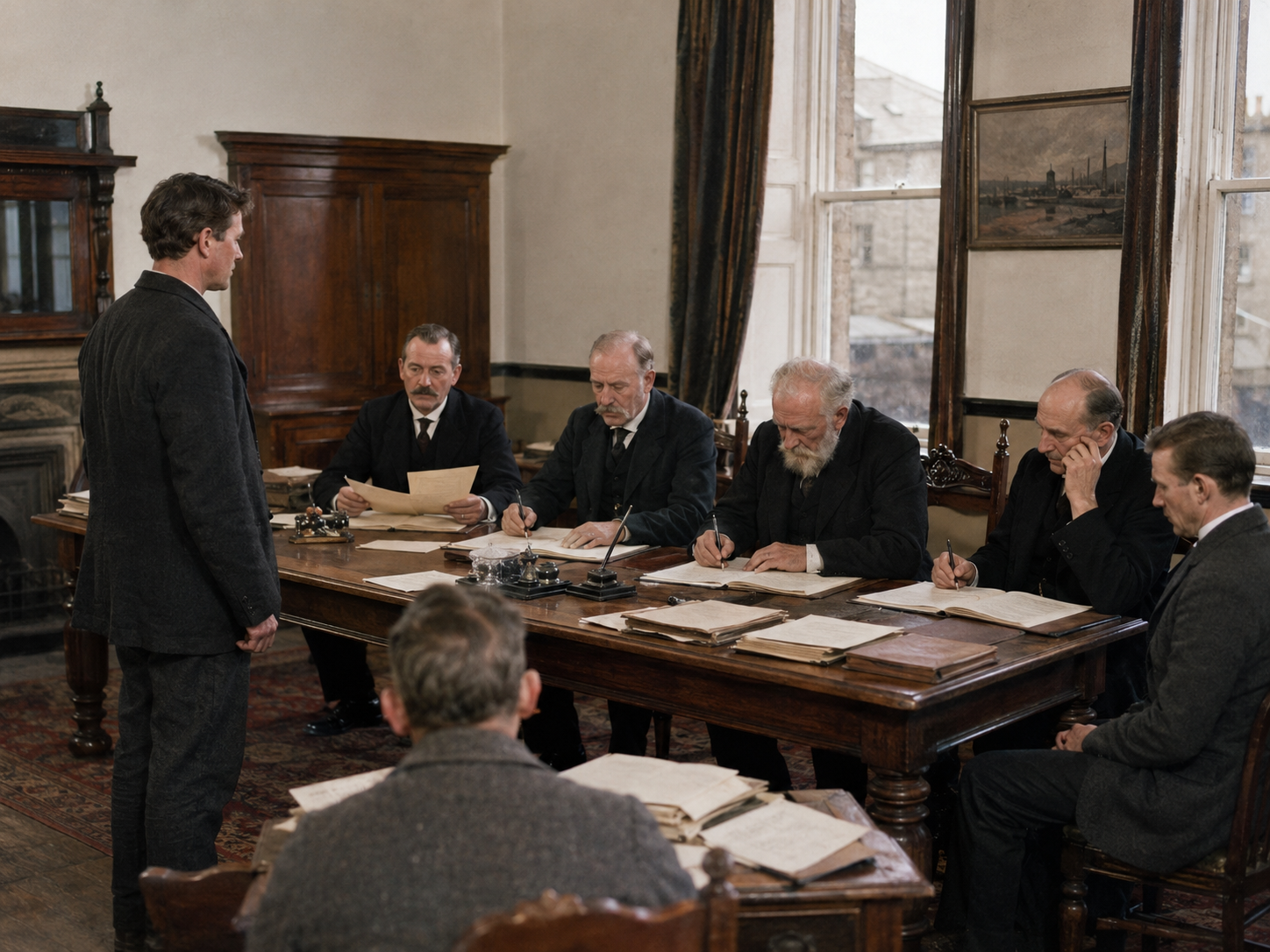
Read Article: Reservist ReleasedThe Limerick Board of Guardians granted six months’ leave without salary to James Ryan, an employee who had been summoned to rejoin the colours during the South African War. The decision, reported on 25 January 1900, allowed Ryan to answer his military obligation without immediately forfeiting his position under the Board. Guardians also agreed that a temporary worker should be appointed during his absence, ensuring that the institution’s daily duties continued without interruption. The arrangement balanced the demands of wartime mobilisation with the Board’s responsibility towards a member of staff called away from civilian employment.
Ryan’s summons formed part of the wider mobilisation of army reservists after British forces encountered heavy demands in South Africa. Men who had completed regular service frequently returned to civilian occupations while remaining liable for recall during a national emergency. Once summoned, a reservist was expected to report and could not treat military service as a voluntary absence. Employers throughout Britain and Ireland therefore faced difficult decisions about wages, replacements and whether returning soldiers would recover their former posts. The Guardians’ resolution acknowledged Ryan’s obligation while avoiding a permanent dismissal before the duration and outcome of his service were known.
The six-month period offered practical protection but no continuing income from the Board. Ryan would depend upon military pay while serving, and the surviving report does not state whether he had dependants or what position he held. Unpaid leave nevertheless preserved a formal connection with his civilian employer and created the possibility of resuming work when released from duty. The appointment of a temporary replacement also prevented another worker from assuming that the vacancy was permanent. The arrangement recognised both the reservist’s claim to consideration and the institution’s need for reliable staffing during an uncertain period.
The decision carried particular significance within the Limerick Union, whose Guardians administered the workhouse, outdoor relief, dispensary services and other Poor Law responsibilities. Employees performed essential work for people affected by poverty, illness and unemployment, making prolonged vacancies difficult to absorb. Wartime mobilisation could remove trained men with little warning, forcing public bodies to reorganise duties and expenditure. By approving a temporary appointment, the Guardians ensured that Ryan’s recall would not weaken services within the Union. Their action shows how an overseas conflict entered local administration through the employment circumstances of an individual Limerick worker.
The resolution was modest compared with the military decisions being taken by the War Office, yet it illustrated the domestic consequences of the South African campaign. Reservists moved from workshops, institutions and public employment back into uniform, while families and employers adjusted to their absence. Limerick’s Board of Guardians chose neither to pay Ryan during his service nor to terminate his employment outright. Instead, it adopted a limited compromise suited to the uncertainty of mobilisation. Six months’ unpaid leave and a temporary substitute protected the institution’s work while leaving open a place for the reservist after his military duty ended.
- Irish Times, “Limerick Guardians and the Reservists,” 25 January 1900, p. 6.
- Limerick Union Board of Guardians Minute Books, January 1900, Limerick Archives, reference IE LA BG110; exact volume and folio for the resolution not confirmed.
- Reserve Forces Act 1882, 45 & 46 Vict., c. 48, statutory provisions governing the recall and service obligations of army reservists.
- War Office, Army Orders and mobilisation notices relating to the recall of reservists during the South African War, 1899–1900.
- Poor Relief (Ireland) Act 1838, 1 & 2 Vict., c. 56, establishing Irish Poor Law unions, workhouses and Boards of Guardians.
-
Civic Compromise
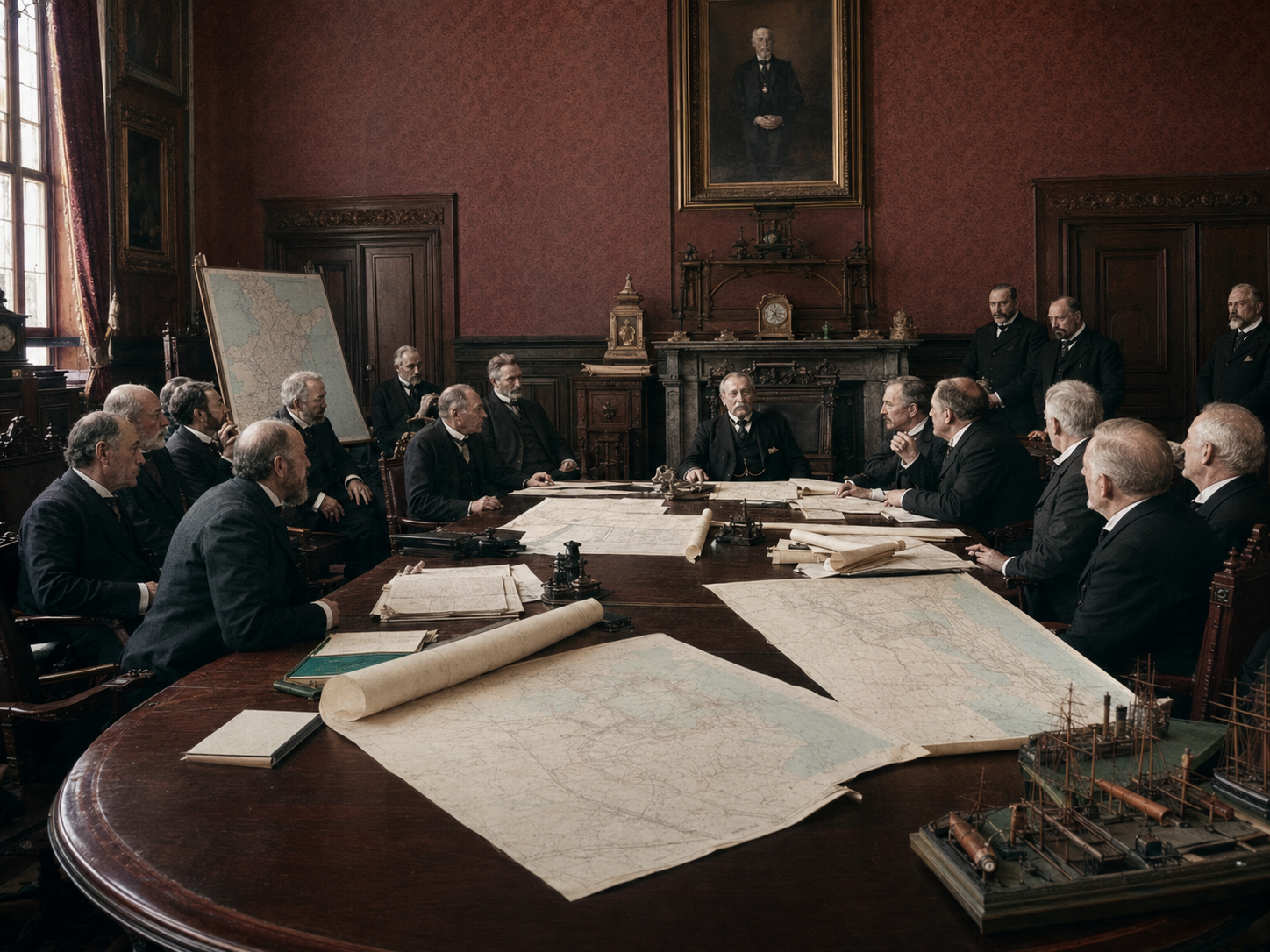
Read Article: Civic CompromiseMayor John Daly was returned unopposed when Limerick Corporation assembled for its quarterly election of civic officers. The council then proceeded to choose three qualified burgesses whose names would be submitted for appointment as City High Sheriff. The principal contest appeared likely to involve the serving sheriff, Thomas H. Cleeve, and John F. Power. Their disagreement arose from the proposed amalgamation of the Waterford, Limerick and Western Railway with the Great Southern and Western Railway, an issue that had united much of the Corporation, harbour administration and commercial community in organised opposition.
Cleeve’s position had become controversial because he had previously supported railway amalgamation, while Power presented his own candidacy as a defence of locomotive workers and citizens who feared a railway monopoly. Alderman O’Mara informed the council that a contest was no longer necessary because Cleeve had given a written undertaking. As a candidate seeking civic honour from the Corporation, Cleeve accepted that he should conform to its declared opposition to the takeover. He pledged that neither privately nor publicly would he give evidence supporting amalgamation if appointed to the shrievalty.
Power consequently withdrew his candidature after receiving the assurance. In a letter communicated to Alderman O’Mara, he stated that opposition to Cleeve had rested entirely upon the railway question and that the written guarantee had removed the reason for continuing the contest. Not every councillor accepted this interpretation. Councillor Dalton denied that Power represented the railwaymen and suggested that his support came from a small group of merchants. Councillor O’Brien objected more broadly to attaching conditions to a civic office, arguing that an honour bestowed by the Corporation should be given freely rather than through a political pledge.
Despite these objections, Cleeve’s name was placed first on the Corporation’s list by a unanimous vote. Councillors John Hayes and William Stokes occupied the second and third positions. The Corporation did not itself make the final appointment; the selection of a High Sheriff rested with the Lord Lieutenant from among the nominated burgesses. Cleeve’s leading position nevertheless made his appointment likely and resolved the immediate dispute without a divisive ballot. The settlement demonstrated that municipal honour in Limerick had become inseparable from the city’s struggle to influence railway policy and protect its commercial interests.
The council also agreed to hold a specially adjourned meeting to organise further resistance to the proposed railway sale. Mayor Daly had already given evidence against earlier amalgamation measures, and the Corporation’s continued opposition reflected fears that the disappearance of an independent railway would weaken competition, increase freight charges and redirect trade away from Limerick. Cleeve’s pledge therefore carried consequences beyond the shrievalty. A prominent industrialist who had favoured amalgamation accepted the Corporation’s contrary position, while civic leaders avoided an internal contest and presented a more united front against the railway companies promoting consolidation.
- Irish Times, “Limerick Corporation Railway Amalgamation Question,” 24 January 1900, p. 3.
- Limerick Corporation Council minute books, January 1900, Limerick Corporation Collection, Limerick Archives; exact volume and folio for the quarterly meeting not confirmed.
- Evidence of Alderman John Daly, Mayor of Limerick, opposing the proposed Railway Amalgamation Bills, 1899, Daly Papers, Special Collections and Archives, University of Limerick, P2/4/4/4.
- Great Southern and Western and Waterford, Limerick and Western Railway Companies Amalgamation Bill, Parliamentary Papers, 1900.
- Great Southern and Western and Waterford, Limerick and Western Railways Amalgamation Act 1900, 63 & 64 Vict., c. ccxlvii.
- Lawrence William White, “Cleeve, Sir Thomas Henry,” Dictionary of Irish Biography, Royal Irish Academy.
- Limerick City and County Council, A Retrospective: Limerick Local Government, 1899–2014, official list of Limerick mayors and high sheriffs.