Now Sharing: Articles (154) | Images (445) | Total Items Archived (599)
Our Mission: 100,000 Items | Total Percentage Achieved (0.60%)

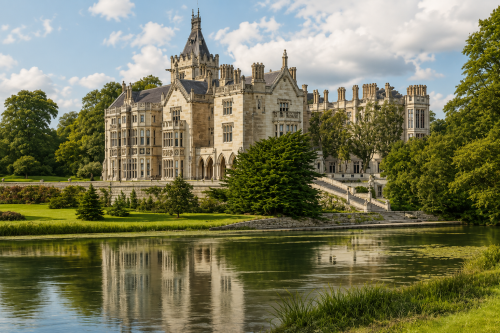
Glenduff Castle Restored

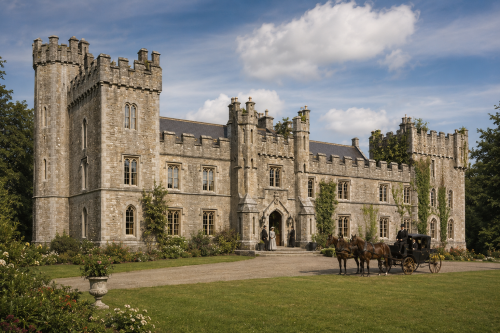
Glenduff Castle is shown restored to its former splendour, standing proudly amid landscaped gardens in rural County Limerick. Built around 1840 for the Ievers family, the castellated country house incorporated an earlier tower house dating from about 1600. Its battlements, flanking towers, arched entrance and long stone façade created a striking Gothic Revival residence. The scene imagines the estate before its destruction, with residents, visitors and a horse-drawn carriage bringing the grounds to life. Glenduff Castle was burned during the Irish Civil War on 29 June 1922, leaving the picturesque ivy-covered ruin that survives on private farmland near Broadford today.
Thatched Cottages of Adare

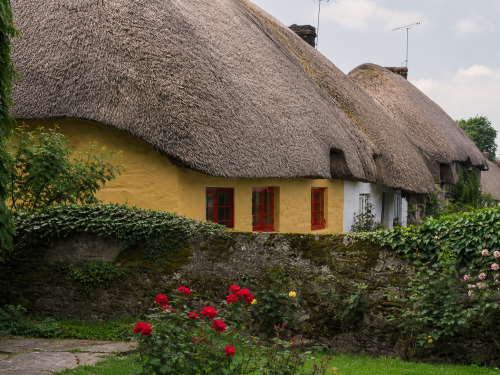
In July 1981, a row of traditional thatched cottages lends Adare its distinctive old-world character. Whitewashed walls, steep straw roofs and small windows line the roadside, reflecting a style once common throughout rural Ireland. The cottages appear carefully maintained, their simple façades softened by flowers, hedges and mature trees. Passing traffic and summer light place the scene firmly in everyday village life rather than a staged historical setting. The image preserves a familiar view of Adare at a time when its architectural heritage was becoming central to the village’s identity and appeal for visitors to County Limerick and beyond worldwide.

Adare Manor Colour Print

This variation of a colour print depicts Adare Manor beside the River Maigue in Adare, County Limerick. The imposing Gothic Revival residence is shown within landscaped grounds, reflected in the calm water and framed by mature trees. Often described as a calendar house, the manor is associated with 365 windows and 52 chimneys, representing the days and weeks of the year. Published in Francis Orpen Morris’s A Series of Picturesque Views of Seats of the Noblemen and Gentlemen of Great Britain and Ireland, the image celebrates the architecture, setting, and aristocratic character of one of County Limerick’s most recognisable historic estates and landmarks.

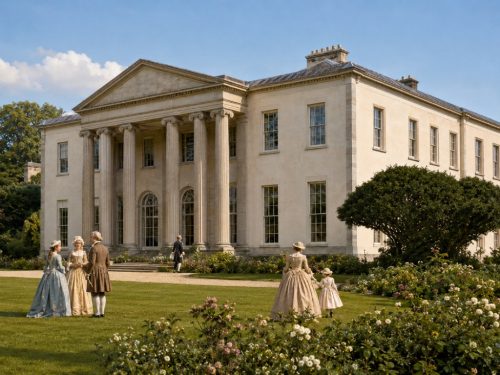
Mountshannon House in Splendour

Mountshannon House, near Castleconnell in County Limerick, was one of Ireland’s grandest eighteenth-century mansions. Built around 1750, it later gained a monumental Ionic portico during an 1813 remodelling by architect Lewis Wyatt. Tradition claimed the house contained 365 windows, while its vast entrance hall could accommodate a horse-drawn carriage. Surrounded by a 900-acre demesne between the River Shannon and Mulkear River, its celebrated gardens were designed by John Sutherland. Home to the powerful FitzGibbon family, including John “Black Jack” FitzGibbon, 1st Earl of Clare, the mansion became a renowned centre of political influence, hospitality, wealth, political power, and aristocratic life.

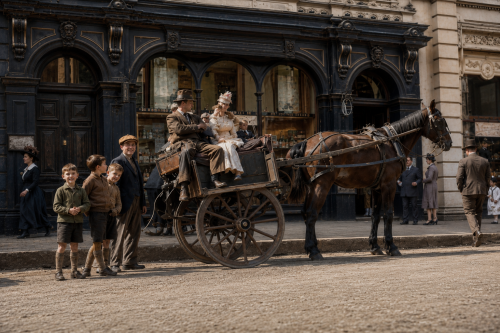
Jaunting Car On O’Connell Street

By 1937, O'Connell Street stood as Limerick's principal commercial thoroughfare, its Victorian and Georgian frontages housing chemists, drapers, and grocers that served the city's daily life. Ireland was still finding its footing after the Economic War with Britain, which had strained trade and agriculture through much of the decade, while the country prepared to adopt a new Constitution that same year. Horse-drawn jaunting cars remained a familiar sight on Limerick's streets even as motor vehicles grew more common, reflecting a city balancing older rhythms of trade and transport with the slow arrival of modern urban life in provincial Ireland.

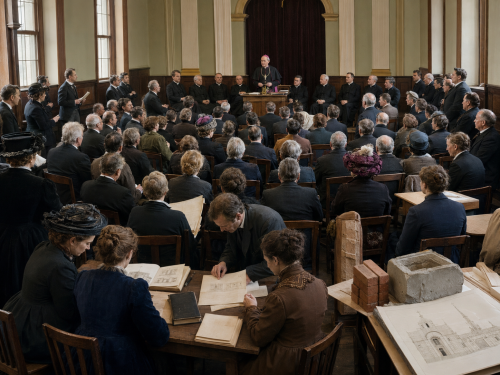
Kincora Committees

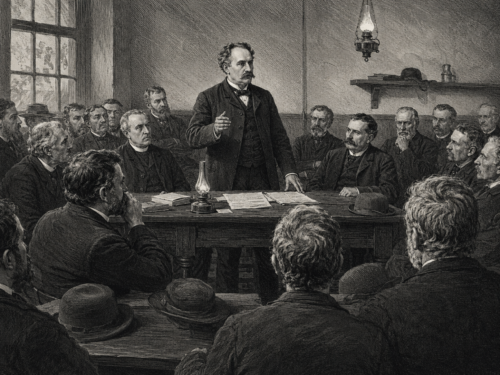
A large public meeting assembled in the Lecture Hall of Limerick’s Catholic Institute to organise a fête and fancy fair for the new church of St Joseph then rising within St Michael’s Parish. The gathering, reported on 4 January 1900, was promoted by the parish clergy and presided over by Bishop Edward Thomas O’Dwyer. Clergy, women and men attended in considerable numbers, demonstrating broad interest in completing the additional parochial church. The meeting agreed that the fundraising celebration would take place in June and established committees to undertake the detailed work required before the event could open.

Teampall Nua in Ruins

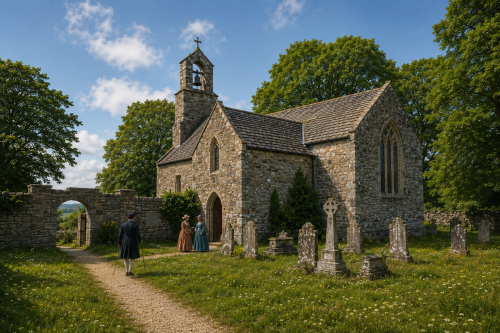
The old church near Holycross, County Limerick, was recorded as a ruin by 1642. In 1679, Rachael Bourchier, Countess of Bath, restored the building, just one year before her death. Thereafter it became known as the New Church, or Teampall Nua in Irish, and served local Church of Ireland parishioners. A belfry was added during the restoration, giving the structure a distinctive profile. Although the church later fell out of use and returned to ruin, its surviving walls, arched openings and graveyard remain important reminders of seventeenth-century religious life and the long history of worship at this historic site today.

Redmond Favoured

John Redmond emerged during the closing days of January as the principal compromise candidate to lead a reunited Irish Parliamentary Party. His position reflected neither complete trust nor an undisputed personal triumph. Redmond had remained loyal to Charles Stewart Parnell during the political split of 1890 and subsequently led the smaller Parnellite faction. That background made him unacceptable to some former opponents, yet it also placed him outside the bitter rivalries dividing senior anti-Parnellites. As reunion negotiations progressed, delegates increasingly recognised that selecting a leader identified too closely with one majority faction could reopen the quarrel they were attempting to settle.

Hidden Discontent

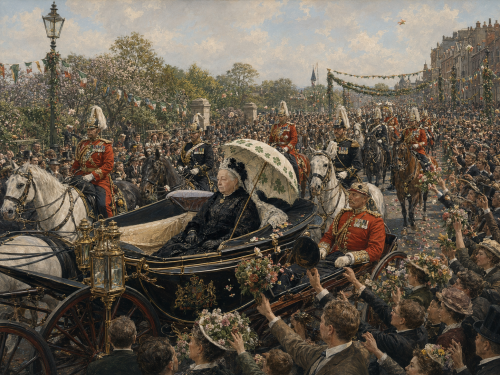
Advanced nationalists have rejected claims that Queen Victoria’s public reception demonstrates widespread Irish loyalty, arguing that the decorations and official ceremonies conceal deep political discontent. Dublin’s principal streets have been covered with garlands, ceremonial arches and symbols of imperial authority, while military escorts, civic addresses and organised celebrations have presented an image of national harmony. Separatist critics insist that this display was created by government departments, loyal institutions and commercial interests rather than by an Ireland content with British rule. In Limerick, their argument will appeal to nationalists who see Home Rule delayed, poverty unresolved and political authority retained at Westminster.