Archived: 25 October 2026
Abstract
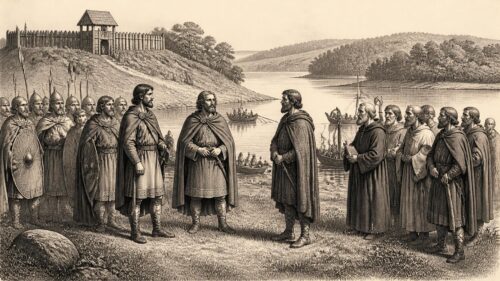
In 1258, Brian Ua Néill secured recognition at Cáeluisce from Connacht and Thomond leaders as king of the Gaels of Ireland, though this alliance neither unified Ireland nor ended regional rivalries. Hostage arrangements and conflict in Breifne exposed unstable lordship. English pressure prompted defensive destruction of ecclesiastical sites, while war in the south devastated settlements and crops. Hebridean raiders defeated Connacht’s sheriff after seizing valuable maritime cargo. Separate Gaelic-English peace talks demonstrated pragmatic local politics. Church life continued through episcopal changes, Armagh’s papal pallium, Dominican commemoration and a Franciscan foundation at Clane, amid enduring political and economic uncertainty across Ireland.
Read Article
Archived: 25 October 2026
Abstract
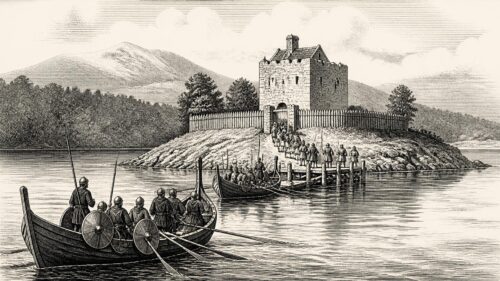
In 1257, Irish politics were shaped by local conflicts and shifting alliances between Gaelic rulers and Anglo-Irish power. Conchobar Ó Ruairc surrendered Cherry Island castle to Fedlimid Ó Conchobair, but later destroyed it after its garrison withdrew. Dynastic rivalry, including blinding and killings, exposed Connacht’s instability despite Fedlimid’s peace with colonial leaders and royal charter. Gofraid Ó Domnaill demolished Cáel Uisce castle, burned Sligo and routed Anglo-Irish forces at Credran, though he was wounded. Fighting also affected Thomond. Meanwhile, Roscommon’s Dominican church was consecrated, Abraham Ó Conalláin travelled to Rome, and churchmen remained involved in political violence and patronage there.
Read Article
Archived: 25 October 2026
Abstract
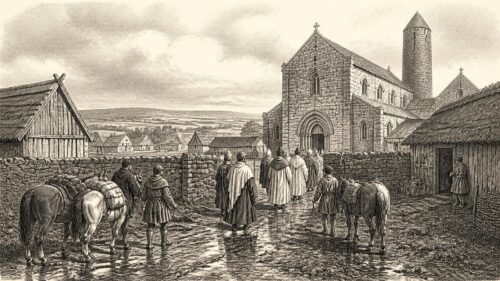
In 1251, Ireland’s fragmented political order combined royal administration, Gaelic rivalry, ecclesiastical organisation and environmental disruption. John Fitz Geoffrey’s wardship purchase illustrated links between office, inheritance and lordship, while Henry III approved Hugh’s election to Ossory and authorised an Irish coinage exchange. Connacht clergy held a synod at Tuam under Archbishop Flann Mac Flainn, although its decisions are unknown. Annals record killings among Connacht and northern kindreds, clerical deaths and Archbishop Raighned’s journey to Rome. Grants of privileges expressed royal authority locally. Summer lightning and flooding, followed by severe winter frost, damaged people, cattle, travel and livelihoods without proving famine.
Read Article
Archived: 25 October 2026
Abstract
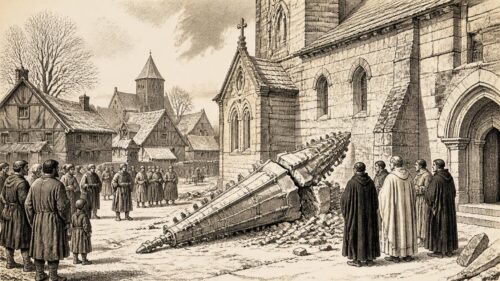
In 1250, Ireland experienced interconnected regional conflicts rather than a single national crisis. Feidlimid Ó Conchobair returned to Connacht with northern support, regained kingship through negotiation with English authorities, and expelled a rival, while Connacht hostages were blinded at Athlone. In Ulster, an expedition failed to secure Ó Néill submission; Niall Ó Canannáin was captured and killed, and Cecilia Mac Lochlainn, wife of Brian Ó Néill, died. In Desmond, Fíngen Mac Carthaig was killed after a peace breach. Derry’s church pinnacle collapsed on 8 February. Episcopal and monastic deaths further underscored institutional uncertainty during that year amid violent, contested lordship.
Read Article

