Archived: 1 November 2026
Abstract
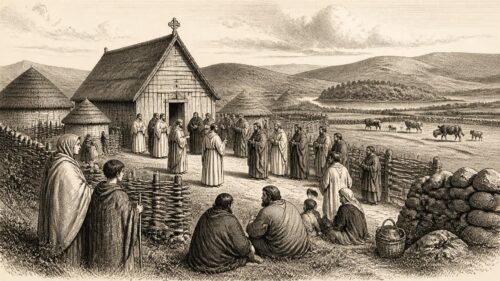
In 699, the Annals of the Four Masters record the death on 30 March of Colmán of Linn Ua Chaille, though his office remains unknown. They also assign deaths of Ailill, king of Munster, and Conall of Uí Fhidgeinte, and Írgalach’s killing of Niall Ua Cernach in Brega. Parallel annals date these political events shortly later, demonstrating chronological divergence in transmitted records. The notices illuminate ecclesiastical commemoration, unstable dynastic authority and aristocratic violence. Set after the synod of Birr, they also evoke a rural society where churches, kinship, cattle, agricultural production and local kingship shaped everyday life and political power.
Read Article
Archived: 1 November 2026
Abstract
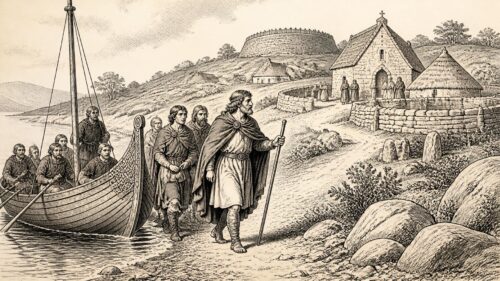
In 698, Irish annals record Tarachin’s journey to Ireland and an unexplained battle associated with Fiannamail son of Oiséne. Chronological variation requires caution: Tarachin may have been connected with the deposed Pictish ruler Taran, but neither identity nor motives are certain. His crossing nevertheless illustrates Ireland’s maritime links with Dál Riata, Pictland and western Britain, and its potential role as refuge for displaced elites. Fiannamail’s battle reflects localised violence within a fragmented political landscape under Loingsech’s influence. Churches, rural production and literate communities supported authority and preserved selective memories. Ireland was connected, decentralised, and politically active, not unified or isolated.
Read Article
Archived: 1 November 2026
Abstract
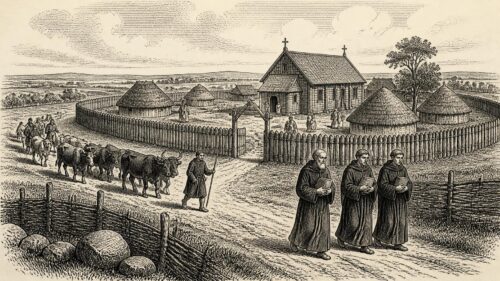
In 696 CE, Irish annalists recorded a striking concentration of deaths and killings among rulers, ecclesiastics and men of high rank. The fullest contemporary-looking notices name the killing of Lóchéne Menn, the learned abbot of Cell Dara (Kildare); the deaths of Finguine, king of Munster, Fergal of Aidhne, and Congalach of Brega; and the killing of Domnall son of Conall Crandomna. The notices are brief, often frustratingly so, but they reveal a year in which power changed hands across several regions and in which a leading monastery suffered the violent loss of its head. Dating a Sparse Year The evidence
Read Article
Archived: 2 November 2026
Abstract
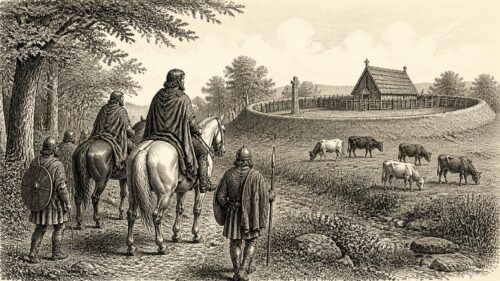
In 695 CE, the most securely placed Irish development was the killing of Fínsnechtae Fledach, king of Tara, and of his son Bresal at Grellach Dollaig. The Annals of Tigernach and Chronicon Scotorum assign the event to this year, naming the killers as Áed son of Dlúthach and Congalach son of Conaing. Their terse record calls it a battle, but supplies neither day nor season, nor a narrative of manoeuvres or troop numbers. It nevertheless marked a decisive rupture in the leadership of Brega and in the wider overkingship which Fínsnechtae had exercised for about two decades. An Annalistic Date,
Read Article
Archived: 2 November 2026
Abstract
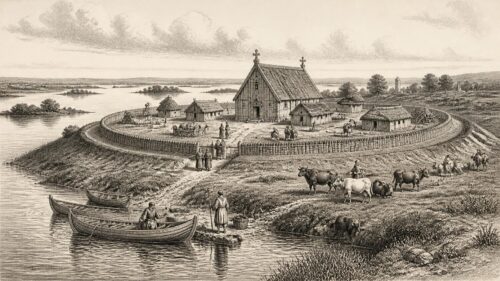
In 693 CE, Ireland’s surviving annalistic record is unusually compact but revealing. The Annals of Ulster, whose annal headed 694 is synchronised to AD 693, record the death of Crón Bec, abbot of Clonmacnoise; the deaths of ecclesiastics at Movilla and Balla; the killing of a layman named Cerball son of Máel Odar; and a siege at Dún Foither. No contemporary narrative explains how these events were connected. Yet together they show an island in which monastic communities, local lordship and fortified places formed the essential framework of public life. The year was not one of a single, island-wide turning
Read Article
Archived: 2 November 2026
Abstract
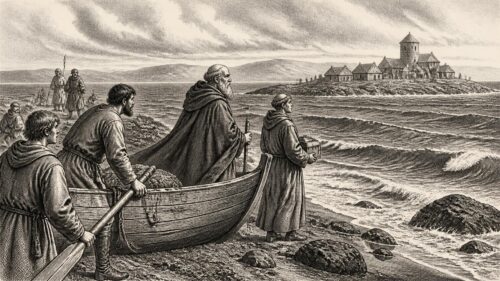
In 691 CE, the surviving Irish annals preserve a small but revealing cluster of notices: the death of Crónán moccu Cuailne, abbot of Bangor; a raid by Dál Riata upon the Cruithin and Ulaid; the death of Fidchellach son of Flann, king of Uí Maine; and a violent windstorm which drowned about six members of Iona’s community on 16 September. These entries do not amount to a continuous narrative of the year, and they should not be made to do so. Yet, set beside the political and ecclesiastical landscape of the late seventh century, they show an Ireland joined to
Read Article
Archived: 2 November 2026
Abstract
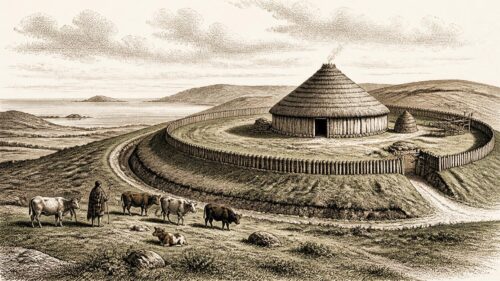
In 690 CE, Ireland’s surviving annalistic tradition places a cluster of violent deaths and ecclesiastical losses within a single, unsettled political landscape. The clearest event is the killing of Congal, son of Máel Dúin and grandson of Áed Bennán, whom the Annals of Ulster call king of Iarmumu, or western Munster. The same annal sequence also records the deaths of Ailill son of Dúngal, associated with Éilne among the Cruthin in the north, and of Dúnchad son of Orc Doith. These terse notices do not supply a battlefield, motive or victor. Yet their concentration is revealing: authority in Ireland rested
Read Article
