Archived: 27 October 2026
Abstract
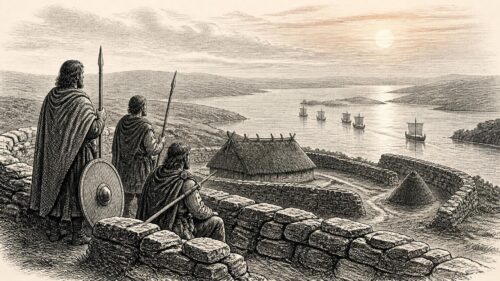
In 939, Irish annals record intense conflict linking kings, churches and Scandinavian seaborne power. Foreigners plundered Ailech, captured its ruler Muirchertach son of Niall, and released him for ransom. Dublin raided Cell Chuilinn in Leinster, while Munster forces with Scandinavian allies attacked Mide’s ecclesiastical sites, challenging Donnchad Donn. Donnchad campaigned in Brega, where a priest died during church violence, and Congalach defeated the Gailenga. Obits marked political and ecclesiastical succession. Donnchad commissioned a cover for Patrick’s Canon, probably the Book of Armagh. Annalists noted a blood-coloured sun, plausibly volcanic haze, and Æthelstan’s death in England on 27 October that year.
Read Article
Archived: 27 October 2026
Abstract
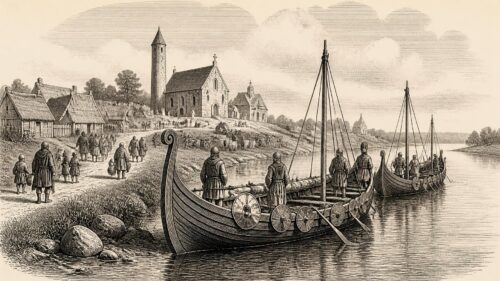
In 936, Dublin-based foreigners plundered Clonmacnoise and occupied it for two nights, an exceptional affront to the major Shannon ecclesiastical and trading settlement. Chronicon Scotorum also records a further plundering by Cellachán of Cashel and Munster men. Foreign crews from Lough Erne reached Lough Ree, demonstrating waterways’ strategic value and exposing central Ireland to prolonged raiding. Donnchad Donn, king of Temair, burned Dublin, illustrating contested rather than centralised power. Armagh lost two successive senior church leaders, Ioseph and Máel Pátraic, while Aniudán, king of Corcu Modruad, died. These events reveal competing regional powers, vulnerable churches, and insecure communications throughout Ireland.
Read Article
Archived: 27 October 2026
Abstract
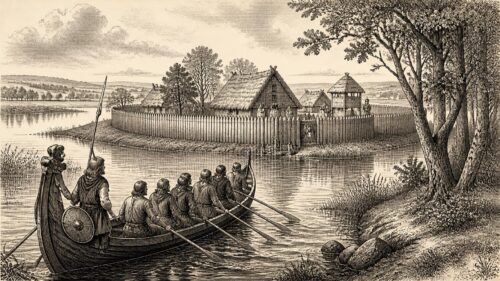
In 935, Amlaíb mac Gofraid, king of Dublin, demonstrated Scandinavian power by sacking Lagore and Knowth in Brega during one week, threatening inland centres. He sought dominance among Irish Scandinavian settlements, reportedly capturing a Limerick rival and installing Haraldr there. Norsemen killed Cinaed mac Cairpre, chief of Uí Chennselaig, with many followers in Leinster. Annals record deaths of abbots and church leaders, underlining monasteries’ political and economic roles, while a notice of abundant oak mast reflects dependence on woodland resources and pig forage. Differing annalistic chronologies complicate dating, but collectively these events reveal interconnected violence, lordship, ecclesiastical succession, and subsistence.
Read Article
Archived: 27 October 2026
Abstract
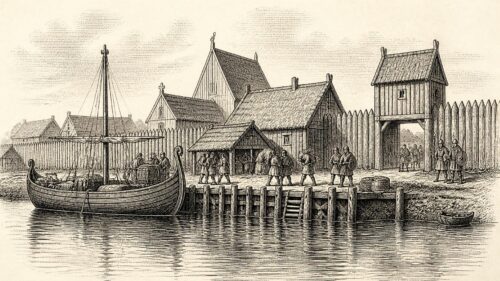
In 934, Gofraid, grandson of Ímar and Hiberno-Scandinavian king of Dublin, died painfully from illness, ending a rule connected with Dublin, York and the Irish Sea. The annals offer no details of his disease or succession, but his son Amlaíb succeeded him, inheriting a strategic trading and military centre. Elsewhere, Dubgilla son of Robacán, chief of Uí Chormaic, was killed in unexplained circumstances. Limerick’s foreigners raided deeply into Connacht, reaching Mag Luirg and Badhgna. Ireland remained politically fragmented: Dublin and Limerick pursued separate interests, while Irish dynasties, regional rulers and church institutions managed competing power, violence and succession across society.
Read Article
Archived: 27 October 2026
Abstract
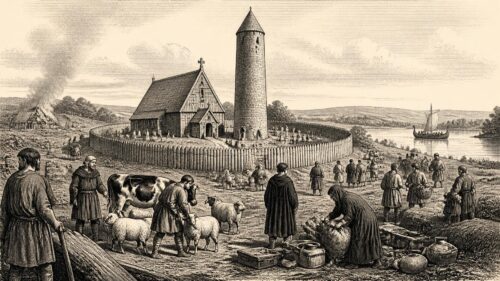
In 933, annalistic sources record interconnected conflicts across northern Ireland, while differing chronologies and casualty figures require caution. Muirchertach and Conaing, sons of Niall Glúndub, suffered defeat at Mag Uatha, but Conaing later defeated Ulaid forces and Muirchertach overcame raiders led by Matudán of Ulaid and Amlaíb son of Gothfrith, recovering plunder. Scandinavian groups based on inland and coastal waters participated in local alliances and warfare. Around Martinmas, Amlaíb plundered Armagh, a wealthy religious and political centre. Death notices for rulers and Bard Bóinne, chief poet, demonstrate the political and cultural consequences of contested authority, strategic waterways and regional violence.
Read Article
Archived: 27 October 2026
Abstract
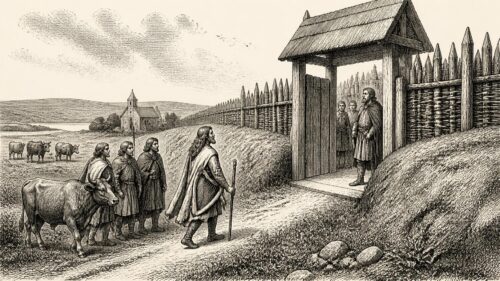
In 932, Irish annals recorded the death of Aengus son of Aengus, probably chief poet of Ireland, indicating the public importance of learned culture and its links with churches and aristocratic patrons. They also note Flann son of Máel Sinna, king of Brega, killed by the Uí Echach, alongside the deaths of Loingsech of Dál Araide and Colla of Norse-Gaelic Limerick. These notices reveal competing regional powers, unstable succession and maritime connections. Differing annalistic chronologies prevent precise dating of related events. Beyond elite records, political changes could directly affect farming, obligations, travel and security, though no nationwide catastrophe is evidenced.
Read Article

