
Archived: 26 September 2026
Abstract
In 1193, Ireland’s competing Gaelic and Anglo-Norman lordships were reshaped by conflict, patronage and local alliances. Annals record killings among northern, Munster and Leinster rulers, violence by John de Courcy’s followers, and uncertain reports of a castle at Brí Uis authorised against Domhnall Mac Carthaigh. Affrica, wife of de Courcy, founded the Cistercian Grey Abbey on Strangford Lough, linking Ulster to Cumbria and the Irish Sea world. Prince John endowed Crumlin church for St Patrick’s, while Derbfhorgaill died at Mellifont. Inchcleraun was plundered, though sources disagree over the raiders, illustrating fragmented authority and contested evidence across the island's varied regions.
Read Article

Archived: 26 September 2026
Abstract
In 1186, Ireland remained politically fragmented despite expanding Anglo-Norman settlement. Hugh de Lacy, lord of Meath, was killed while inspecting castle works at Durrow, an act Irish annals portrayed as vengeance for violation of Columcille’s sanctuary. His death weakened colonial authority while Crown withheld Meath from heir. In Connacht, Conchobar Máenmaige displaced his father, Ruaidrí Ua Conchobair, amid dynastic warfare. Northern factions deposed Domnall Mac Lochlainn, causing violence. Churches, pilgrimage, hagiography, trade and castle-building shaped life. Gaelic and settler economies interacted, but warfare disrupted communities. The year demonstrated that competing Gaelic, royal, ecclesiastical and Anglo-Norman lordships prevented any unified conquest.
Read Article

Archived: 26 September 2026
Abstract
In 1173, Ireland remained a fragile, contested conquest after Henry II’s intervention. Strongbow governed Leinster under royal authority, while de Lacy held Meath and Ruaidrí Ua Conchobair retained Gaelic overlordship. The Angevin revolt drew leading Anglo-Norman commanders overseas, weakening garrisons, though Strongbow returned as Henry’s representative and supplied troops for the royal war. Domnall Mór Ua Briain, aided by Connacht forces, captured Kilkenny, exposing colonial vulnerability. Leinster dynasts also resisted Strongbow’s inheritance claim. Conflict persisted in Meath and Ulster, alongside church deaths, pestilence, plunder, trade and scholarship. By year’s end, conquest endured but remained insecure across a deeply divided island.
Read Article
Archived: 26 September 2026
Abstract
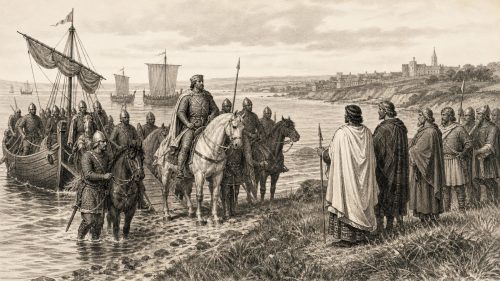
In 1171 Diarmait Mac Murchada’s death intensified conflict over Leinster, as Strongbow claimed succession through marriage while Irish dynasties supported Diarmait’s son. Dublin repelled Hiberno-Norse and Irish-led challenges, though Anglo-Norman settlements remained vulnerable. Henry II invaded in October to restrain Strongbow, received his submission, reserved major ports for royal control, and accepted submissions from several Irish rulers. At Dublin he held court, promoted Bristol settlement and displayed Angevin power. Church reform predated his arrival, but royal authority became linked to it. Henry neither conquered Ireland nor displaced Gaelic government, yet transformed a private expedition into enduring English intervention in Ireland.
Read Article

Archived: 26 September 2026
Abstract
In 1170 Diarmait Mac Murchada’s restoration in Leinster escalated through Anglo-Norman intervention. Raymond le Gros secured Baginbun, then Richard Strongbow captured Waterford, married Diarmait’s daughter Aífe, and seized Dublin, ending its independent Hiberno-Norse rule. The ports supplied strategic links to Britain, trade and military resources. Allied forces campaigned across Leinster and Mide, devastating ecclesiastical centres, while Ruaidrí Ua Conchobair retaliated by killing Leinster hostages, including Diarmait’s son. Wider conflicts persisted in Munster and the north. Rural communities, towns and religious houses suffered warfare, although commerce and reform continued. By year’s end, eastern conquests transformed power without establishing durable settled lordship.
Read Article

Archived: 26 September 2026
Abstract
In 1169 Diarmait Mac Murchada, seeking to recover Leinster, recruited Cambro-Norman mercenaries from Wales. Robert FitzStephen’s force landed at Bannow, joined Irish allies, captured Wexford and received land, creating a fortified coastal foothold. Diarmait’s subsequent campaign devastated Osraige and secured renewed submission, but prompted High King Ruaidrí Ua Conchobair to negotiate hostages and require dismissal of the foreigners. Ireland remained politically sophisticated, with competing kingdoms, active ports, rural economies and reforming Church institutions. The newcomers initially served an Irish king, not Henry II. Yet grants of territory and Diarmait’s continuing ambitions established a durable bridgehead, enabling larger interventions after 1169.
Read Article

Archived: 26 September 2026
Abstract
In 1168 Ruaidrí Ua Conchobair strengthened his contested kingship of Ireland through military interventions, hostages, tribute and public assembly. In Meath, he enforced heavy compensation for a protected king’s killing, contributing to political upheaval, and presided over the Óenach Tailten. In Munster, he arbitrated the Ua Briain succession, secured submissions and divided authority between Domnall Mór Ua Briain and Mac Carthaig. Diarmait Mac Murchada remained constrained in Leinster, although overseas alliances were developing. The deaths of Donnchad Ua Cerbaill, churchmen and cultural figures marked the year. Reported prosperity contrasted with divisions that made Ireland vulnerable to the landings of 1169.
Read Article

Archived: 26 September 2026
Abstract
In 1167 Ruaidrí Ua Conchobair consolidated a precarious high-kingship through military campaigning, hostage-taking, assemblies and church patronage. Leading a broad coalition into Tír Eoghain, he secured submissions, divided authority among northern rivals and demonstrated coordination by land and sea. At Athboy and Tailtiu, he projected island-wide rule, promoted peace, protected churches and regulated political obligations. Ireland’s pastoral economy, port towns and ecclesiastical centres underpinned these networks. Diarmait Mac Murchada returned to Leinster with a small overseas force, regained territory, then submitted to Ruaidrí while retaining future foreign support. Deaths, violence and church building revealed continuing instability beneath Ruaidrí’s temporary ascendancy.
Read Article

Archived: 26 September 2026
Abstract
In 1166, Muirchertach Mac Lochlainn’s breach of a guaranteed settlement in Ulaid, including the blinding of King Eochaid, destroyed his authority. Abandoned by allies, he was defeated and killed. Ruaidrí Ua Conchobair of Connacht exploited the collapse, securing submissions, hostages and tribute from Dublin and regional rulers, while distributing wealth and arbitrating disputes. Diarmait Mac Murchada, deprived of Mac Lochlainn’s support and opposed within Leinster, was expelled after coalition campaigns destroyed his Ferns residence. He sought Henry II’s permission to recruit overseas, creating conditions for later Anglo-Norman intervention. Fires, church affairs, rural burdens, towns and royal patronage also marked 1166.
Read Article

Archived: 26 September 2026
Abstract
In 1161 Ireland comprised competing provincial kingdoms, lordships, churches and towns rather than a unified state. Muirchertach Mac Lochlainn, dominant northern ruler, and Ruaidrí Ua Conchobair of Connacht negotiated authority through campaigns, hostages and assemblies, dividing influence while preserving Mac Lochlainn’s senior kingship. Meath remained contested, with local dynastic violence continuing despite high-level settlements. Church reform and power were marked by bishops’ deaths, Dublin Archbishop Gregory’s death, Columban privileges secured by Flaithbertach Ua Brolcháin, and written guarantees for Ardbraccan. Rural communities supplied armies and suffered plunder; cattle and silver underpinned wealth. Towns, learning and poetry shaped wider Irish cultural life.
Read Article

Archived: 26 September 2026
Abstract
In 1153, rivalry between high king Toirdelbach Ua Conchobair and Muirchertach Mac Lochlainn reshaped Ireland’s political order. Following Murchad Ua Máelshechlainn’s death, his son secured Mide through violence, while Derbfhorgaill returned from Leinster to Tigernán Ua Ruairc amid circumstances. Connacht allies partitioned Munster, expelling Toirdelbach Ua Briain, but Mac Lochlainn restored him, defeated Ruaidrí Ua Conchobair at Fordruim, and imposed settlements across Mide. Control of Shannon crossings, hostages, cattle and alliances underpinned power. Church visitations, monastic developments, rural production and a fatal sea voyage reveal religious, economic and social conditions. Mac Lochlainn ended year strengthened, though no settlement was permanent.
Read Article

Archived: 26 September 2026
Abstract
In 1152, Ireland saw ecclesiastical reform and fierce political conflict. The Synod of Kells–Mellifont, led by Cardinal John Paparo, confirmed four metropolitan provinces at Armagh, Cashel, Dublin and Tuam, strengthening papal authority, diocesan organisation and Armagh’s primacy. Tairdelbach Ua Conchobair and Muirchertach Mac Lochlainn allied under sacred relics, divided Mide, and weakened Tigernán Ua Ruairc of Bréifne. During this campaign, Diarmait Mac Murchada seized Ua Ruairc’s wife, Derbfhorgaill, provoking renewed regional warfare. Tairdelbach’s partition of Munster likewise failed, bringing raids, destruction, displacement and famine. The year exposed an interconnected society where church institutions, royal power, warfare and rural life intersected.
Read Article
Archived: 26 September 2026
Abstract
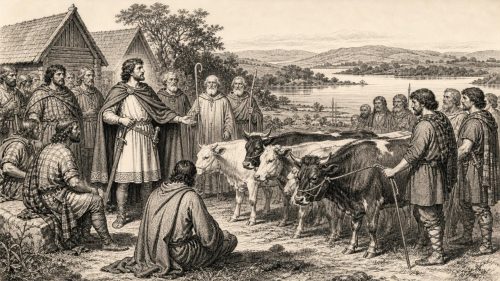
In 1144, Conchobar Ua Conchobair, Tairdelbach of Connacht’s son and king of Meath, was assassinated by Meath conspirators after six months’ rule. Tairdelbach invaded, inflicted heavy losses, accepted 400 cows in compensation, and reorganised Meath between Ua Mael Sechlainn rulers and neighbouring powers. Epidemic claimed his son Tadc and others, while clergy secured the conditional release of imprisoned Ruaidrí Ua Conchobair and mediated peace with Munster. Annals also record aristocratic deaths, kindred violence, Kells burning three times, and losses at Clonard. Events exposed high-kingship’s dependence on local dynasties, hostages, wealth, negotiation and ecclesiastical authority during a year of widespread disruption.
Read Article
Archived: 26 September 2026
Abstract
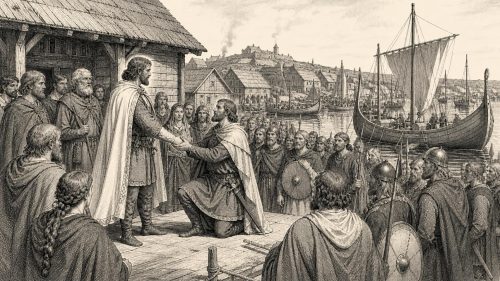
In 1141, Ireland remained a polity where Tairdelbach Ua Conchobair exercised contested high-kingship through raids, fortifications, hostages and submissions. His campaign in the midlands coincided with dynastic killings in Meath and lordships. Leinster’s Diarmait Mac Murchada ordered, or authorised, a purge that killed or blinded leading nobles, securing power but weakening provincial cohesion; he was defeated while raiding Laois. Conchobar Ua Briain gained Dublin, then his forces raided Connacht and destroyed Dún Gaillimhe. Church communities suffered and received protection, while monastic penance and burial bound elites to religious institutions. Cattle-raiding, provisioning, Dublin trade and rivalries underpinned an unstable political order.
Read Article

Archived: 26 September 2026
Abstract
Ireland in 1137 remained politically fragmented, as Tairdelbach Ua Conchobair of Connacht asserted contested overlordship through warfare and naval power on the Shannon. Rivalries involved Bréifne, Mide, Leinster, Munster and Hiberno-Norse towns. An allied fleet from Leinster, Dál Cais, Dublin and Wexford besieged Waterford, gaining hostages but not conclusively conquering it. Dynastic killing and raids destabilised Mide and Connacht. In the church, Malachy yielded Armagh to reformer Gilla meic Liac. A severe storm and widespread fires damaged communities. Despite violence, trade, maritime capacity, scholarship, artistic patronage and ecclesiastical reform demonstrated a dynamic, connected society within a rapidly changing medieval world.
Read Article

