Archived: 25 October 2026
Abstract
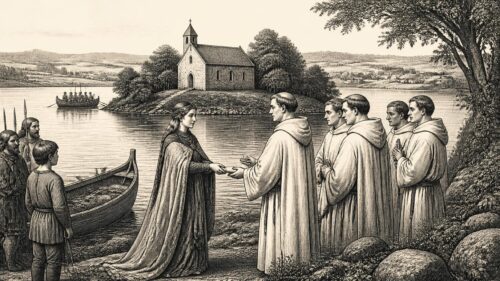
In 1239, Ireland’s fragmented politics combined warfare, lordship and religious patronage. Domnall Mac Lochlainn defeated rival forces at Carnteel, regaining Tír Eógain after Anglo-Norman intervention. Maurice FitzGerald’s forces raided around Sligo, probing Ó Domnaill territory without securing lasting conquest. In Breifne, Fergal Ó Raigillig’s killing illustrated regional and dynastic conflict, though its date is disputed. Lasairfina, daughter of Cathal Crobderg Ó Conchobair and wife of Ó Domnaill, granted land at Ros Birn to Trinity Abbey on Lough Key. Cashel confirmed Dominican Dáuíd son of Cellach as archbishop. Annalistic discrepancies caution against certainty, while revealing intertwined power, land, kinship, and church.
Read Article
Archived: 25 October 2026
Abstract
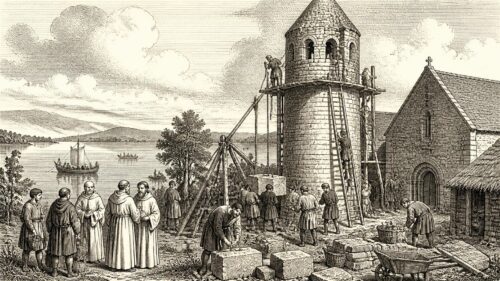
In 1238, Anglo-Irish leaders Maurice FitzGerald and Hugh de Lacy campaigned in the north, deposing Domnall Mac Lochlainn, installing an Ó Néill claimant and taking hostages from Cenél nEógain and Cenél Conaill. In Connacht, barons extended castle building after the 1235 partition, while dynastic killings, captures and raids demonstrated insecurity. A Bréifne force plundered Cluain Coirpthe, causing deaths among pursuers. Annadown’s bell-tower was built beside Lough Corrib, though its exact form remains uncertain. Archbishop Felix Ó Ruadáin died after resigning and becoming a monk in Dublin. Overall, the annals depict contested power expressed through hostages, fortifications, violence and ecclesiastical construction.
Read Article
Archived: 25 October 2026
Abstract
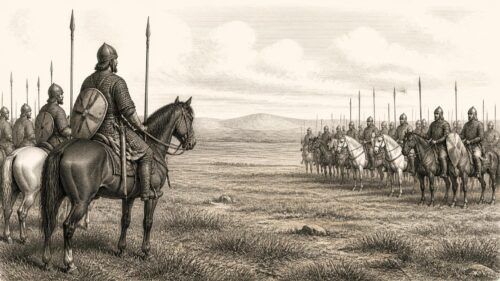
In 1234, Richard Marshal, earl of Pembroke and lord of Leinster, brought his rebellion against Henry III’s Poitevin advisers to Ireland. Supported by Leinster allies, he recovered positions and captured Limerick, but royalist magnates Maurice FitzGerald, Hugh de Lacy and Walter de Lacy defeated him on the Curragh of Kildare on 1 April. Wounded and detained, Marshal died at Kilkenny on 16 April and was buried there. His defeat strengthened royal authority, restored Richard de Burgh’s Connacht interests under restrictive terms, and prepared subsequent expansion. Meanwhile, fighting at Tralee demonstrated continuing conflict between settler powers and Gaelic dynasties across Ireland.
Read Article
Archived: 26 October 2026
Abstract
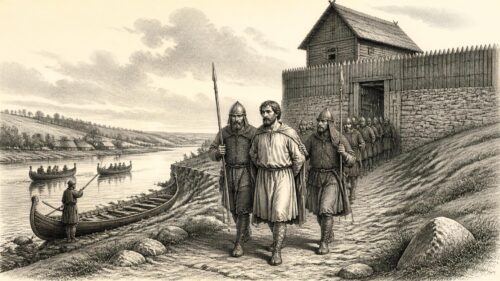
In 1231 Richard de Burgh captured Fedlimid mac Cathail Chrobdeirg Ó Conchobair at Meelick, despite guarantees, exposing the fragility of Gaelic rulers’ alliances with Anglo-Norman power. Imprisoned in strategically placed Shannon castle, Fedlimid’s fate left Connacht contested; his release and later victory belonged to subsequent years. Annals also record Connacht’s religious and local life: deaths among ruling families, Boyle Abbey’s pilgrim connections, episcopal succession at Elphin, and Dionysius Ó Mórda’s death on Trinity Island. They note learned status, Mac Diarmata’s market project, a waterborne Breifne raid, and Ualgarc Ó Ruairc’s fatal Holy Land pilgrimage, revealing active networks amid political instability.
Read Article

