Mansion House

Difficult Ally

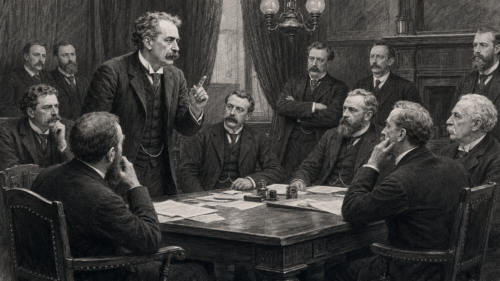
Tim Healy remained one of the most influential yet troublesome figures involved in the effort to reunite Ireland’s divided parliamentary nationalists during January 1900. A formidable barrister, experienced Member of Parliament and devastating political speaker, Healy possessed an authority that could not easily be ignored. He had opposed Charles Stewart Parnell during the leadership crisis of 1890 and subsequently quarrelled with leading anti-Parnellites, particularly John Dillon. By the end of the decade, Healy commanded his own following of MPs and local activists. Any credible agreement restoring nationalist unity therefore required his cooperation, even though many former colleagues distrusted his intentions and feared his independence.
Headlines Divided

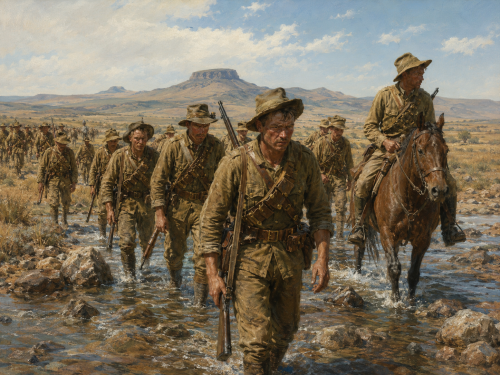
Dublin newspapers published extensive political and military coverage on 25 January 1900, placing Ireland’s internal nationalist divisions beside the continuing conflict in South Africa. Reports on the recent Mansion House conference examined attempts to reunite the parliamentary factions separated since the fall of Charles Stewart Parnell. In adjoining columns, readers encountered military dispatches, troop movements and casualty information from a war involving thousands of Irish soldiers. The combination revealed the conflicting pressures shaping Irish public life: demands for national political unity existed alongside intense concern for men serving throughout the British Army and widespread nationalist sympathy for Britain’s Boer opponents.

League Endorsed

The United Irish League’s campaign for nationalist unity received an important endorsement from parliamentary representatives gathered at Dublin’s Mansion House on 17 January. By appearing together and advancing negotiations for reunion, members of the rival nationalist factions acknowledged the popular demand that had grown around the League since its establishment by William O’Brien in 1898. The organisation had begun chiefly as a campaign for land reform and the enlargement of uneconomic holdings, but its branches increasingly called upon politicians to end the quarrels created by the fall of Charles Stewart Parnell and restore a united parliamentary movement.

Rivals Reconcile

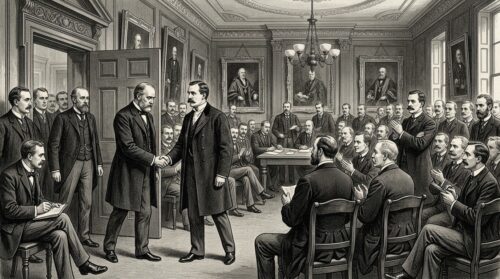
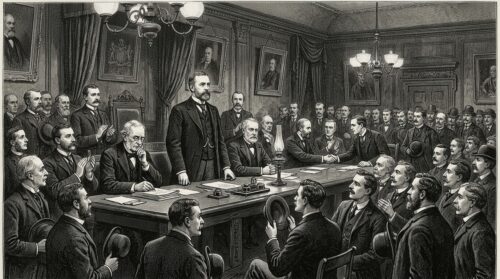
Parnellite and anti-Parnellite representatives appeared together at Dublin’s Mansion House on 17 January in the most important public demonstration of nationalist reconciliation since the political rupture of 1890. Men who had spent nearly a decade attacking one another from platforms, newspapers and election committees now entered the same civic chamber under intense public scrutiny. Their presence did not erase the bitterness created by the fall of Charles Stewart Parnell, but it offered supporters visible evidence that reunion had become possible. The gathering converted private discussions and cautious approaches into a public acknowledgement that continued division was damaging the wider nationalist cause.

Reunion Advances

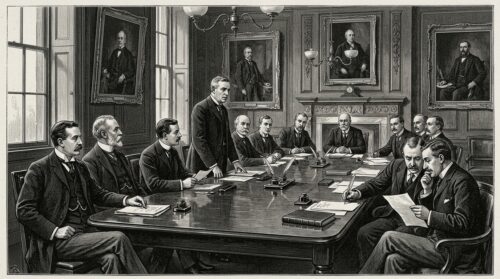
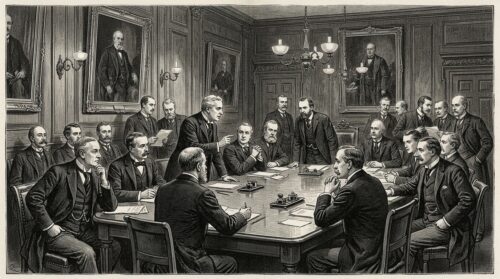
Negotiations to reunite Ireland’s divided nationalist parliamentarians advanced formally during the Mansion House conference held on 17 January. Representatives associated with the rival factions created by the fall of Charles Stewart Parnell met in Dublin to consider practical terms for restoring a single parliamentary organisation. Nearly a decade of internal conflict had weakened nationalist influence at Westminster and exhausted many supporters throughout Ireland. The conference did not instantly remove the personal distrust, political grievances and competing ambitions that had accumulated since 1890, but it transformed informal appeals for reconciliation into a structured negotiation between recognised representatives of the opposing groups.

Nationalist Reunion

Representatives of Ireland’s divided nationalist factions assembled in the Oak Room of Dublin’s Mansion House on 17 January in an attempt to restore political unity after nearly a decade of bitterness. The split created by the fall of Charles Stewart Parnell had weakened nationalist organisation, divided parliamentary representatives and produced competing loyalties throughout the country. Those entering the oak-panelled civic chamber carried memories of denunciation, broken alliances and election contests fought between men who claimed to serve the same national cause. Their immediate purpose was to determine whether cooperation could replace factional rivalry before the divisions inflicted further damage upon the Home Rule movement.

Now Sharing: Articles (154) Images (259) Total Items Archived (413)
Our Mission: 100,000 Items Total Percentage Achieved (0.41%)