
Archived: 26 September 2026
Abstract
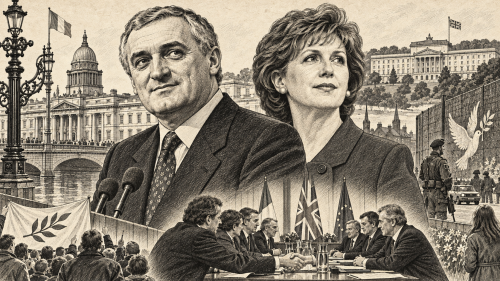
In 1999, Northern Ireland’s devolved Executive began work at Stormont, led by David Trimble and Seamus Mallon, while new North/South and British-Irish bodies implemented the Good Friday Agreement. The Republic amended its Constitution, replacing territorial claims with consent-based unity, though decommissioning and policing reform remained disputed. Ireland joined the euro’s non-cash phase amid rapid economic growth, but nurses’ industrial action revealed pressure on public services. Kosovar refugees arrived and immigration law changed. States of Fear prompted official acknowledgement of institutional abuse. Gay Byrne left The Late Late Show, Heaney published Beowulf, and Cork won the All-Ireland hurling final in September.
Read Article
Archived: 26 September 2026
Abstract
In 1997, Ireland underwent major political, social and economic change. Bertie Ahern became Taoiseach after Fianna Fáil formed a coalition with the Progressive Democrats, as rapid growth and falling unemployment strengthened the emerging Celtic Tiger. Divorce became legally available under the 1996 Act, reflecting changing social attitudes. The IRA restored its ceasefire, enabling Sinn Féin to join Stormont talks chaired by George Mitchell, despite unionist opposition. Mary McAleese, Belfast-born, was elected President and promoted reconciliation through “Building Bridges”. European integration, investment and social partnership supported expansion, though benefits were uneven. These developments established conditions for following year’s Good Friday Agreement.
Read Article

Archived: 26 September 2026
Abstract
In 1988, Ireland combined economic hardship, political change, cultural celebration and continuing conflict. Charles Haughey’s government implemented the first full year of the Programme for National Recovery, using fiscal restraint and social partnership, alongside tax and urban-renewal measures. Northern Ireland endured killings at Gibraltar, Milltown, Andersonstown, Ballygawley and Drumnakilly, while emergency powers persisted and Anglo-Irish relations remained strained. John Hume’s private talks with Gerry Adams opened a tentative nationalist channel. The European Court’s Norris judgment challenged criminalisation of homosexual acts; broadcasting laws reshaped media. Dublin’s millennium, Eurovision and Ireland’s Stuttgart victory provided civic and international optimism amid unresolved constitutional violence.
Read Article
Archived: 26 September 2026
Abstract
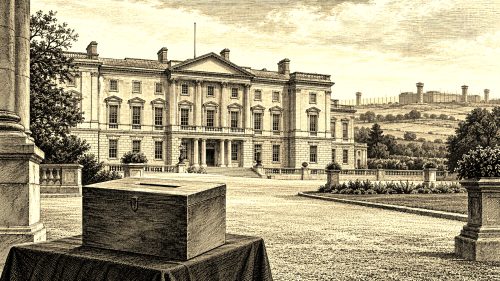
In 1983, Ireland confronted constitutional, political and security questions that would echo for decades. Voters approved the Eighth Amendment, inserting constitutional protection for the unborn. Garret FitzGerald’s coalition launched the New Ireland Forum, while Gerry Adams won West Belfast at Westminster. In Northern Ireland, thirty-eight IRA prisoners escaped from the Maze Prison, intensifying debate over security. The kidnapping of supermarket executive Don Tidey ended with two members of the security forces killed during his rescue. Economic recession, unemployment and emigration remained severe. Together, these events made 1983 a year of constitutional change, political realignment, conflict and social strain across Ireland.
Read Article
Archived: 9 October 2026
Abstract
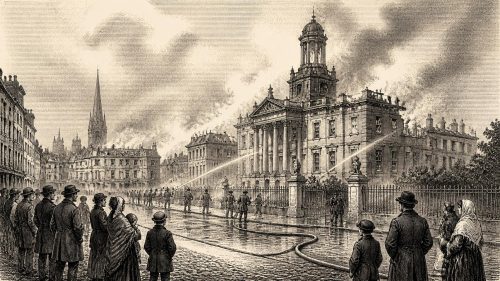
In 1920, Ireland’s political crisis widened into conflict across elections, workplaces, civic institutions and homes. Sinn Féin and Labour gained local authority, helping Dáil Éireann establish parallel courts, finance and propaganda, while Britain answered with emergency powers, troops, Black and Tans and Auxiliaries. IRA attacks, reprisals and executions, including Kevin Barry’s, intensified war. Cork symbolised the crisis through Tomás MacCurtain’s murder, Terence MacSwiney’s hunger-strike death and the city’s burning. Bloody Sunday and Kilmichael deepened violence. Labour resistance exposed regional divisions. Sectarian expulsions in Belfast accompanied the Government of Ireland Act, which legislated partition, shaping the 1921 truce and eventual negotiations.
Read Article
Archived: 9 October 2026
Abstract
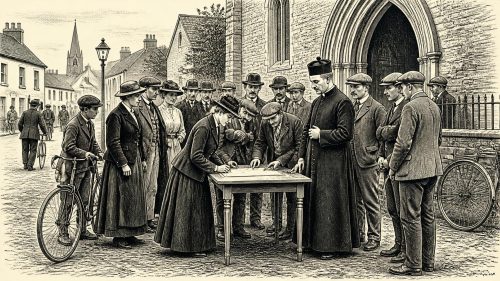
In 1918, Britain’s attempt to impose conscription on Ireland, amid the failure of the Irish Convention, united constitutional nationalists, Sinn Féin, labour, Catholic clergy and local communities. Pledges, a national strike and women’s activism helped make enforcement politically hazardous, while arrests under the alleged German Plot enhanced Sinn Féin’s standing. Simultaneously, influenza caused 10,651 recorded deaths, straining households and institutions. After the Armistice, an expanded electorate voted in December. Sinn Féin won 73 of 105 seats, displacing the Irish Parliamentary Party, although unionism remained strong in the north-east. The year reshaped nationalist politics and foreshadowed Ireland’s subsequent revolutionary political conflict.
Read Article

Archived: 9 October 2026
Abstract
In 1917, electoral victories for Count Plunkett, Joseph McGuinness and Éamon de Valera weakened the Irish Parliamentary Party and demonstrated the appeal of abstentionist nationalism. Willie Redmond’s death at Messines underscored Ireland’s divided wartime experience. Lloyd George’s Irish Convention, meeting in Trinity College, pursued constitutional settlement without Sinn Féin, while unionist safeguards remained central. Thomas Ashe’s death following forcible feeding and his Glasnevin funeral transformed republican mourning into mass political mobilisation. October’s Sinn Féin Ard Fheis united separatist strands under de Valera, alongside Volunteer reorganisation. Wartime shortages, inflation, agricultural profits and state controls sharpened social pressures, making revolutionary crisis likely.
Read Article
Archived: 9 October 2026
Abstract
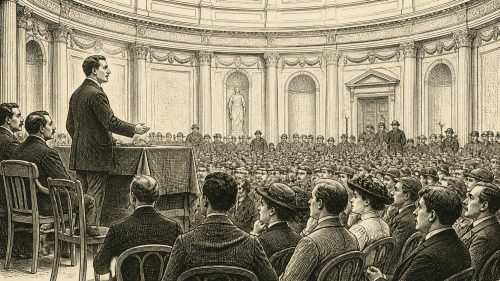
In 1905, Irish politics exposed divisions over government and national identity. George Wyndham resigned after devolution proposals alienated both unionists and nationalists, while the Ulster Unionist Council strengthened northern organisation. On 28 November, the National Council adopted Arthur Griffith’s Sinn Féin policy, advocating Irish institutions, economic self-reliance and withdrawal from Westminster, though not yet republicanism. Land purchase continued, but emigration remained. Disputes over Irish teaching and postal usage demonstrated cultural revival’s political reach. Abbey Theatre productions, scholarly recovery and Belfast’s Presbyterian Assembly Buildings reflected institutional confidence. The A5 submarine disaster at Haulbowline killed six crewmen, bringing naval modernity’s dangers locally.
Read Article

