Membership is completely free, giving members unlimited access to all available resources, services, features, and benefits without any restrictions or fees.
Welcome back. Sign in to continue enjoying unlimited access to all available resources, services, features, and member benefits at no cost.
The most sharply dated Irish event of the year occurred in Dublin on 1 February. Conor O’Devany, Roman Catholic bishop of Down and Connor, and Patrick O’Loughran, a priest associated with the archdiocese of Armagh, were executed at George’s Hill after conviction for treason. They had been tried on 28 January. The prosecution linked them to the Flight of the Earls of 1607 and alleged dealings with the pope and Spain; O’Loughran’s past service to the exiled Hugh O’Neill, earl of Tyrone, made him particularly vulnerable. The charges made the two clerics symbols of a state still anxious about foreign intervention and the displaced Gaelic leadership.
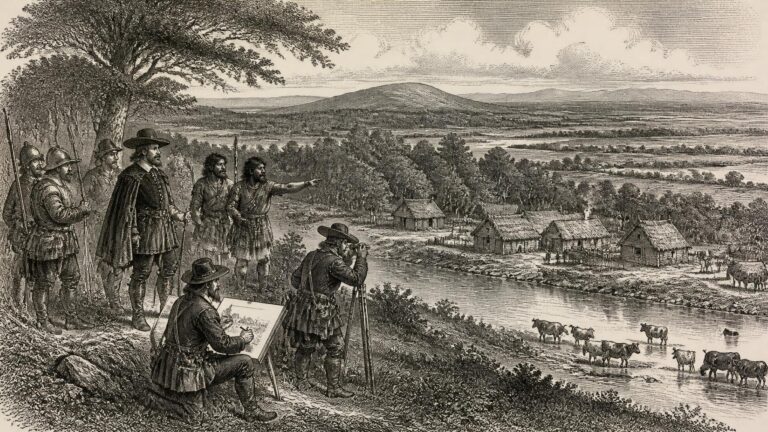
The central development was the 1609 survey of the escheated lands of Ulster, conventionally associated with Sir Josias Bodley. The Crown claimed extensive rights over territories formerly dominated by the great Gaelic lordships of the O’Neills and O’Donnells and by associated families. The project concentrated on six counties: Armagh, Cavan, Coleraine, Donegal, Fermanagh and Tyrone. This was not the whole province. Antrim and Down, where Scottish settlement and private arrangements already had importance, lay outside the principal scheme; Monaghan was also treated differently.
The most definite constitutional development of the year came in January, when an Order in Council provided for the erection of County Wicklow. The new shire gathered territories that had previously been divided between older jurisdictions, notably lands associated with Dublin, Carlow and the borderlands of the Pale. Part of the barony of Rathdown south of the River Bray, including Fercullen, Glencap and the Archbooles country, was explicitly to be joined to the new county.
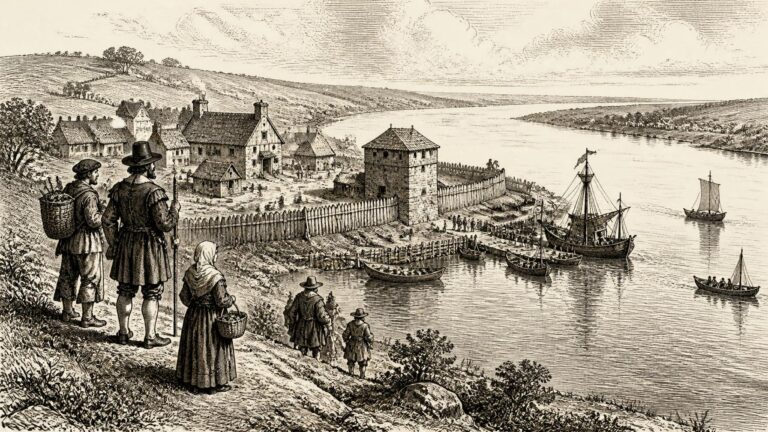
Derry was an old ecclesiastical site on the River Foyle, but the settlement addressed in 1604 had been transformed by recent war. Sir Henry Docwra’s expedition had established itself there in 1600, building and maintaining a crown foothold in north-west Ulster at immense human and financial cost. The position provided a route into Tír Chonaill and Tyrone, controlled access to Lough Foyle, and threatened the communications of Hugh O’Neill and the O’Donnell lordship during the final phase of the war.