
Year by Year
Explore Year by Year articles from the most modern historical year back to the oldest.
3,305 Articles Archived
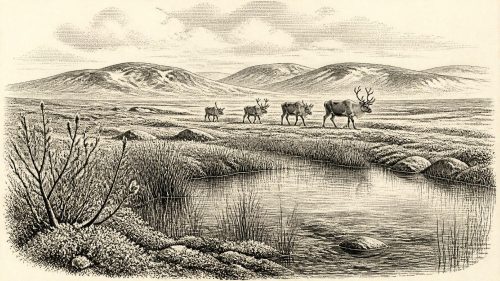
Derryvree Hiatus
Archived: 1 October 2026
30,424 BCE is a modern chronological label, not a recoverable Irish year. Derryvree, County Fermanagh, preserves freshwater silts between glacial tills, dated broadly to Marine Isotope Stage 3. Its plants indicate tundra vegetation, wet margins and periglacial conditions during an ice-free interval, although they cannot describe all Ireland. Lower sea levels and expanding ice created changing landscapes and uncertain connections with Britain and Europe. Castlepook Cave records diverse cold-adapted fauna over a long period, not a single ecosystem. A possibly cut-marked reindeer bone may indicate fleeting human activity, but no secure contemporary settlement exists. Environmental change chiefly defines this period.
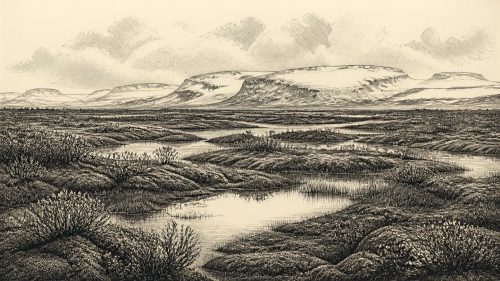
Castlepook Palimpsest
Archived: 1 October 2026
Around 30,425 BCE, Ireland was an unstable Late Pleistocene landscape, not a historically datable society. At Derryvree, County Fermanagh, freshwater sediments between glacial tills show temporary ice-free tundra wetland, with sedges, mosses and arctic-alpine plants, before renewed glaciation. Castlepook Cave, County Cork, preserves mammoth, reindeer, hyaena and other cold-stage fauna, accumulated over extended periods. A cut-marked reindeer femur may indicate Upper Palaeolithic butchery, but cannot establish settlement, culture or migration. Ice, changing sea levels and later erosion shaped access and survival of evidence. Ireland’s record therefore documents environmental change, animal life and possible fleeting human visits during this remote interval.
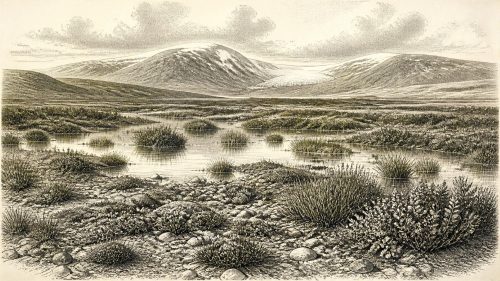
Pleistocene Vestiges
Archived: 1 October 2026
Around 32,375 calibrated years before present, Ireland lay within climatically unstable Marine Isotope Stage 3, not a precisely dated historical year. At Derryvree, County Fermanagh, freshwater silts between glacial tills demonstrate an ice-free interval with tundra vegetation, wet hollows and severe periglacial conditions. Castlepook Cave, County Cork, preserves remains of reindeer, mammoth, giant deer, predators and other cold-adapted fauna, indicating intermittent links with Eurasia, though not a single community. A marked reindeer femur may represent early human butchery, but remains inconclusive. Subsequent ice advances reshaped landscapes and destroyed evidence, leaving silt, seeds and bones as Ireland's fragmentary earliest surviving record.
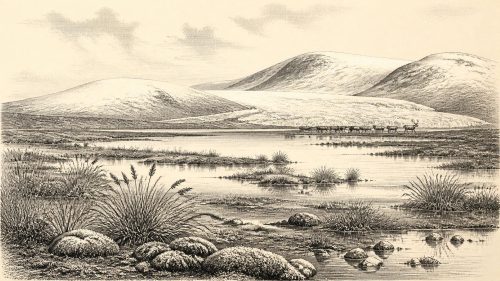
Tundra Ambiguity
Archived: 1 October 2026
30,427 BCE is a modern label for a broad, uncertain Late Pleistocene interval, not a recoverable Irish historical year. Derryvree, County Fermanagh, preserves freshwater silts between glacial tills, indicating temporarily ice-free, wet, treeless tundra during Marine Isotope Stage 3. Its radiocarbon date requires calibration and cannot identify a precise moment. Castlepook Cave, County Cork, contains a long-span assemblage of mammoths, reindeer, giant deer, carnivores and cold-climate fauna, although deposits may mix ages. Possible tool marking on a reindeer bone suggests episodic human presence, not settlement. Ireland had no polities, farming or population; climate, ice and sea levels shaped its landscapes.
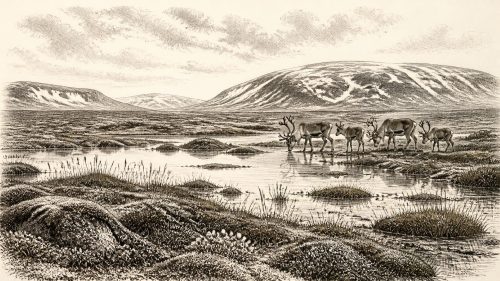
Derryvree Palimpsest
Archived: 1 October 2026
Around 30,428 BCE, Ireland has no recoverable calendar year, written history or securely dated human settlement. Evidence from Derryvree near Maguiresbridge, County Fermanagh, instead documents a broad interval: organic freshwater silts and sands, radiocarbon dated approximately 34,950–29,750 BCE, lie between two glacial tills. They show locally ice-free, open tundra wetland, with pools, mosses, sedges, herbs and low shrubs, before later ice covered the site. Ireland's ice sheet was growing unevenly, reshaping habitable land and drainage. Cave fauna indicate cold-adapted animals across relevant periods, while possible human evidence remains uncertain. Derryvree preserves environmental change, not a specific event or historical moment.
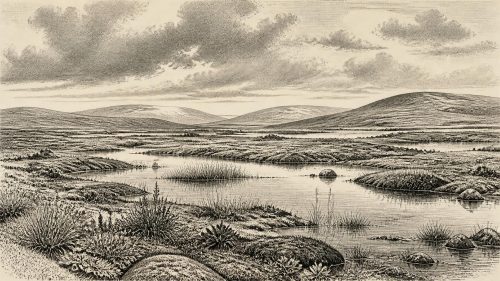
Wetland Archive
Archived: 1 October 2026
Thirty thousand four hundred and twenty-nine BCE is a retrospective label within a broad, uncertain Late Pleistocene range, not a date for a recorded Irish event. Derryvree, County Fermanagh, preserves freshwater silts and organic deposits between glacial tills, demonstrating an ice-free interval before renewed glaciation. Its pollen, plants and insects indicate a treeless, wet, varied tundra landscape of pools, mosses, sedges and sparse herbs. Castlepook Cave fauna in Cork shows connections with north-west European ecosystems, including reindeer, mammoth and predators. A cut-marked reindeer bone suggests human activity, but cannot establish settlement. Later ice erased evidence, leaving environmental archives, not history.
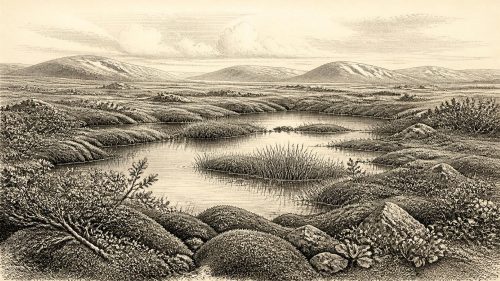
Dwarf Shrubland
Archived: 1 October 2026
Around 30,430 BCE, Ireland is known only through broad calibrated ranges and fragmentary environmental evidence. At Derryvree, County Fermanagh, freshwater silts between glacial tills show that ice retreated long enough for tundra wetland communities to develop. Pollen, plants and insects indicate treeless ground with grasses, sedges, dwarf willow, arctic-alpine flora and aquatic pools, before later ice returned. Castlepook Cave, County Cork, preserves mixed Middle and Late Pleistocene fauna, including mammoth, reindeer, giant deer and predators, demonstrating cold-stage habitats. A possibly cut-marked reindeer bone suggests brief human visits, but no secure evidence supports settlement, culture or permanent occupation in this period.
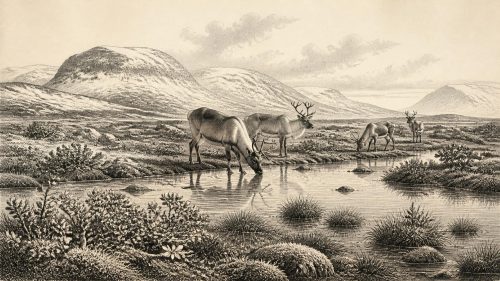
Mammoth Menagerie
Archived: 30 September 2026
The label 30,431 BCE denotes a Late Pleistocene interval rather than an Irish year. Derryvree, County Fermanagh, records a locally ice-free freshwater phase between glacial advances, supporting wet, treeless tundra vegetation, insects and aquatic life. Crag Cave indicates repeated climatic shifts. At Castlepook Cave, County Cork, remains of mammoth, reindeer, giant deer, hyaena and other cold-adapted animals demonstrate intermittent large-mammal ecosystems in open landscapes. A possibly cut-marked reindeer bone raises, but does not prove, human presence. No secure settlements or social evidence exist. Later ice altered or destroyed records, leaving an environmental history of dynamic climate, fauna and advancing glaciers.
Willow Waterline
Archived: 30 September 2026
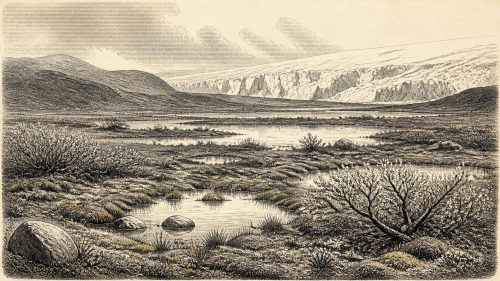
Around 30,432 BCE, Ireland lay in a fluctuating Late Pleistocene cold phase, not a historically dated year. At Derryvree, County Fermanagh, freshwater silts containing organic remains lay between glacial tills, showing an ice-free wetland interval before renewed glaciation. Radiocarbon evidence provides a broad, uncertain age range. Fossils indicate treeless tundra vegetation, including sedges, mosses, dwarf willow, bogbean and water-milfoil, around shallow fresh water. Ice, frost and changing sea levels shaped an unstable landscape. Cave faunas suggest large mammals reached Ireland, while a possible cut-marked reindeer bone may indicate brief human activity. No evidence demonstrates permanent settlement, society, farming or trade.
Fragile Thaw
Archived: 30 September 2026
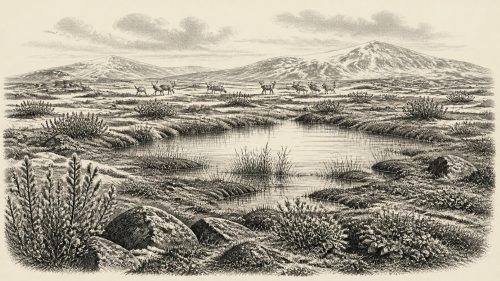
Thirty thousand four hundred and thirty-three BCE is only a modern label within a broad calibrated range for later Marine Isotope Stage 3. At Derryvree, County Fermanagh, sediments between tills preserve an ice-free freshwater basin with tundra vegetation, insects and seasonal periglacial conditions, later buried by returning glacier ice. Comparable deposits indicate complex, localised ice-free episodes, not an island-wide climate. Southern cave faunas demonstrate diverse cold-stage mammals, though their dates and associations are imperfect. No secure evidence establishes human occupation; a possibly cut-marked reindeer bone offers only tentative evidence of brief contact. This interval records fragile environments amid regional glaciation.
Some records do not yet have a verified historical year and are awaiting chronological placement.