
Year by Year
Explore Year by Year articles from the most modern historical year back to the oldest.
3,294 Articles Archived

Rathlin Massacre
Archived: 17 October 2026
In 1575, Walter Devereux, earl of Essex, failed to establish a durable English colony in north-east Ulster. His final campaign combined pressured diplomacy with Turlough Luineach O’Neill and brutal violence against the MacDonnells: English forces under John Norreys, supported by Francis Drake, killed hundreds of refugees on Rathlin Island. Sorley Boy MacDonnell nevertheless remained powerful, raiding Carrickfergus. Sir Henry Sidney returned as lord deputy, pursuing negotiation alongside garrisoning. Elsewhere, severe drought and disease disrupted communities around Dublin and Leinster. Meanwhile, Ó Maolconaire scribes copied an Irish manuscript at Ballycumin, demonstrating continued Gaelic learned culture amid political, environmental and military instability.
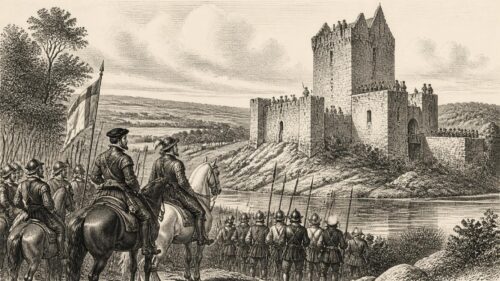
Derrinlaur Castle
Archived: 17 October 2026
In 1574 Tudor authority faced pressures across Ireland. In Munster, Desmond’s restored influence, Geraldine Combination and his son’s seizure of Derrinlaur Castle challenged crown control; Fitzwilliam and Ormond captured the castle in August, and Desmond submitted at Cork on 2 September, though settlement remained fragile. In Ulster, Essex’s failing Clandeboye colony suffered plague, shortages and mutiny before his destructive campaigns and arrest of Sir Brian mac Phelim O’Neill, whose family and followers were killed or executed. Unpaid troops burdened Pale communities, while Catholic links endured through Edmund Tanner’s Roman appointment. The year revealed Tudor power’s coercive reach and governing limits.

Clandeboye Colony
Archived: 17 October 2026
In 1573, crown policy in Ireland combined pardons, restoration and colonisation, but failed to produce lasting stability. James fitz Maurice Fitzgerald’s theatrical submission to Sir John Perrot at Kilmallock temporarily checked the Desmond revolt, while Gerald Desmond’s return and escape to Munster revived Geraldine authority. Warfare continued to burden civilian communities. In Ulster, denization for Sorley Boy MacDonnell contrasted with Walter Devereux, earl of Essex’s grant to colonise Clandeboye. Resistance by Brian MacPhelim O’Neill, the burning of Carrickfergus, logistical weakness and Thomas Smith’s death exposed the venture’s fragility. These events made landholding, allegiance, religion and security contested within Elizabethan rule.
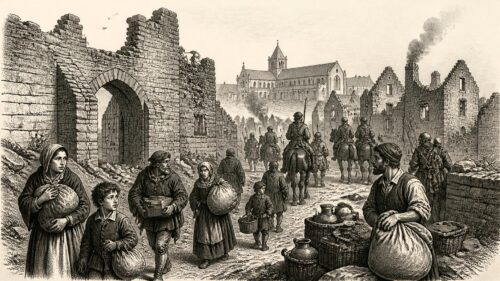
Burke Rebellion
Archived: 17 October 2026
In 1572 Sir Edward Fitton’s Galway court and arrest of the earl of Clanricarde provoked Ulick and John Burke’s rebellion across Connacht. Supported by gallowglasses and Scottish mercenaries, they attacked castles, towns, trade routes and government allies, devastating Athenry and threatening Galway. The crown released Clanricarde to restore peace, but negotiation merely suspended disputes over succession and authority. Meanwhile, rebels unsuccessfully aided James fitz Maurice during the siege and eventual fall of Castlemaine Castle, a key stage in the first Desmond rebellion. Deaths of churchmen, learned men and civilians, alongside reported human and cattle mortality, reflected insecurity amid Tudor rule.

Kilmallock Sack
Archived: 17 October 2026
In 1571, conflict and cultural change exposed the limits of Elizabethan government in Ireland. The sack of Kilmallock, whose dating requires careful comparison of sources, revealed Munster’s vulnerability during rebellion. A battered fortress and contested lordships reflected instability, including divisions across Connacht. Meanwhile, a Dublin publication in Irish type connected religious reform with language and print. Crown appointments, prospective colonial grants and reforming commissions expressed claims, but their implementation relied on alliances, supplies and local obedience. The year therefore resists a single national narrative, showing military coercion, regional rivalry and cultural initiatives unfolding within a fragmented and contested political landscape.
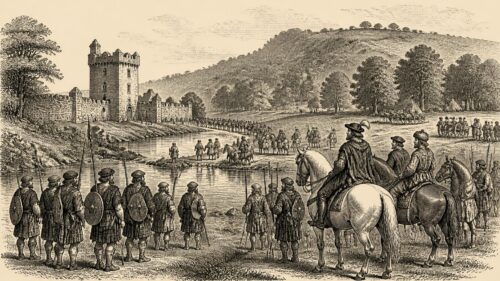
Shrule Battle
Archived: 17 October 2026
In 1570, Tudor efforts to extend authority in Ireland exposed the limits of provincial government. Sir Edward Fitton’s new Connacht presidency clashed with Conor O’Brien in Thomond, where negotiated submission followed resistance, and campaigned with Clanricarde against John Burke at Shrule. The battle involved English, Irish and Scottish troops, artillery and traditional forces; its outcome remained contested, though government troops held the field. Campaigns imposed demands through cess, supplies, hostages and destruction. In Munster, rebellion persisted despite expeditions and Desmond’s detention. Papal excommunication heightened international anxieties, yet allegiance remained shaped by kinship, territory, employment and rivalry as much as religion.
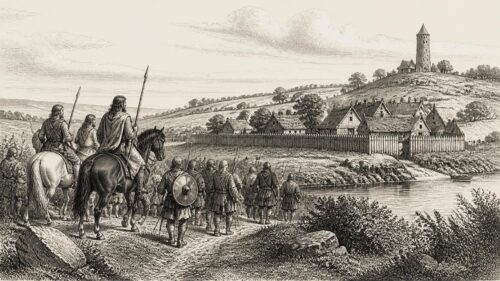
Desmond Rebellion
Archived: 17 October 2026
In 1569, Tudor government sought to extend Elizabeth I’s authority through parliament, military action, taxation reform and provincial administration. In Munster, James fitz Maurice Fitzgerald, Donal MacCarthy Mór and allies formed a Catholic confederacy, sought Spanish aid, and launched the first Desmond rebellion by attacking Kerrycurrihy. Religious aims overlapped with disputes over Desmond imprisonment, land, settlement and lordly power. Butler brothers raised south Leinster against government interference and Sir Peter Carew’s claims, but failed at Kilkenny. Sidney’s autumn campaign, supported by Ormond and Gilbert, broke the coalition’s momentum. Fitton’s Connacht presidency further expanded royal institutions amid widespread nationwide civilian disruption.
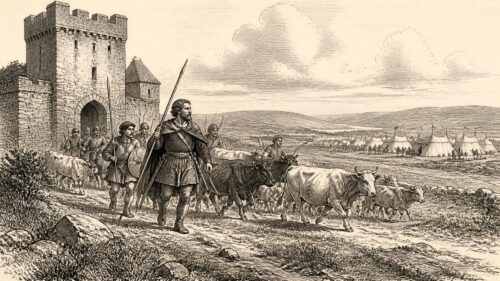
Lixnaw Siege
Archived: 17 October 2026
In 1568, Ireland experienced sharpening local conflicts as royal intervention, disputed land rights and absent lords weakened established authority. With the earl of Desmond imprisoned in England, James fitz Maurice unsuccessfully besieged Thomas Fitzmaurice at Lixnaw, where plunder, drought and shortages afflicted civilians and troops. Munster tensions grew through MacCarthy alliances and proposed English settlements. In Leinster, Sir Peter Carew’s successful Idrone claim and Edmund Butler’s estrangement foreshadowed revolt. Sir Henry Sidney pursued limited Ulster agreements, garrisons and transport schemes. Protestant church appointments likewise revealed the gap between crown ambition and practical control, anticipating conflicts in 1569 and subsequent upheavals.
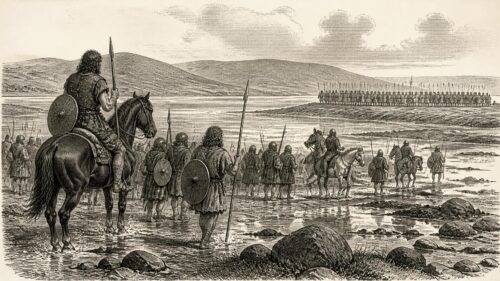
Farsetmore Defeat
Archived: 17 October 2026
In 1567 Shane O’Neill’s Ulster overlordship collapsed after defeat by the O’Donnells at Farsetmore, where tidal conditions magnified his army’s losses. Seeking support from the MacDonnells, whom he had previously oppressed, Shane was killed during negotiations at Cushendun. His fall liberated rival lordships but did not secure English control: Turlough Luineach O’Neill faced disputed succession, while O’Donnell and MacDonnell power revived. Sir Henry Sidney’s government pursued influence through alliances, garrisons, progresses and infrastructure, yet exposed its limited reach. In Munster, Desmond’s arrest altered regional politics. Administrative and church appointments in Dublin reflected continuing Tudor reform amid uneven authority and instability.
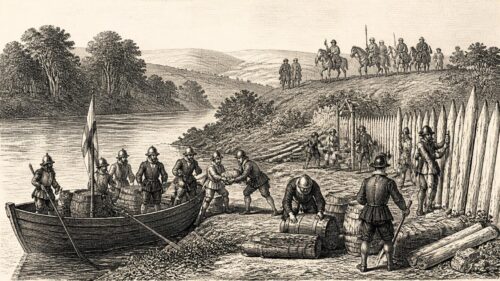
Foyle Garrison
Archived: 17 October 2026
In 1566, conflict between Shane O’Neill and Elizabethan government made Ulster Ireland’s principal political and military crisis. O’Neill sought French aid, managed fraught relations with Scottish MacDonnells, was proclaimed traitor, and burned Armagh’s cathedral, a religious site also militarily contested. Lord Deputy Sir Henry Sidney campaigned through Ulster while Colonel Edward Randolph established a garrison at Derry to pressure O’Neill; Shane’s forces killed Randolph in November, exposing royal weakness. Deaths and successions among O’Donnells and Maguires reshaped regional alliances and prompted renewed raiding. The year demonstrated that crown expeditions, Gaelic lordship, local warfare, logistics, learning and landscape remained inseparably linked.
Some records do not yet have a verified historical year and are awaiting chronological placement.