
Archived: 26 September 2026
Abstract
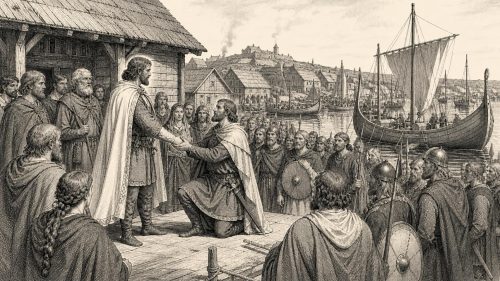
In 1142, Ireland remained politically fragmented despite Toirdelbach Ua Conchobair’s claim to high kingship. His coalition army devastated lands en route to Munster but gained neither cattle nor Munster hostages. Conchobar Ua Briain died, enabling his brother Toirdelbach to take Munster amid dynastic conflict, while Muirchertach Mac Lochlainn fought in the north and Ottir from the Hebrides assumed Dublin’s leadership. Raiding, crop destruction, church burnings and clerical deaths exposed insecurity affecting rural and religious life. Mellifont Abbey, founded by Malachy Ua Morgair with Donnchad Ua Cerbaill’s patronage, introduced Ireland’s first Cistercian house, linking native reform, politics and Clairvaux’s continental network.
Read Article
Archived: 26 September 2026
Abstract
In 1141, Ireland remained a polity where Tairdelbach Ua Conchobair exercised contested high-kingship through raids, fortifications, hostages and submissions. His campaign in the midlands coincided with dynastic killings in Meath and lordships. Leinster’s Diarmait Mac Murchada ordered, or authorised, a purge that killed or blinded leading nobles, securing power but weakening provincial cohesion; he was defeated while raiding Laois. Conchobar Ua Briain gained Dublin, then his forces raided Connacht and destroyed Dún Gaillimhe. Church communities suffered and received protection, while monastic penance and burial bound elites to religious institutions. Cattle-raiding, provisioning, Dublin trade and rivalries underpinned an unstable political order.
Read Article
Archived: 26 September 2026
Abstract
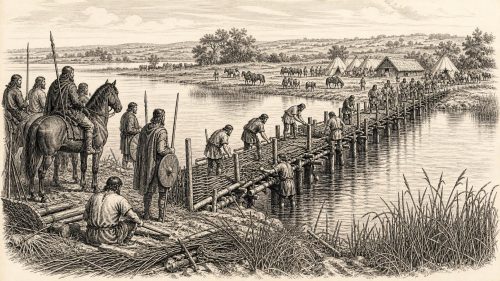
Ireland in 1140 saw contests for political control and ecclesiastical reform. Toirdhealbhach Ua Conchobhair of Connacht sought dominance through Shannon bridges, campaigns, raids and negotiated settlements, but faced resistance from Meath, Bréifne and local peoples. Murchadh Ua Maeleachlainn strengthened his Meath kingship, while Tighearnán Ua Ruairc briefly lost and regained leadership. Gelasius of Armagh visited Connacht, asserting Patrician primacy with royal support. Malachy Ua Morgair pursued papal recognition and continental monastic links, preparing for Cistercian expansion. Dublin defeated Waterford's Hiberno-Norse forces. Warfare, cattle-raiding, church offices, learning and urban trade reflected a politically fragmented yet increasingly connected Ireland during that year.
Read Article
Archived: 26 September 2026
Abstract
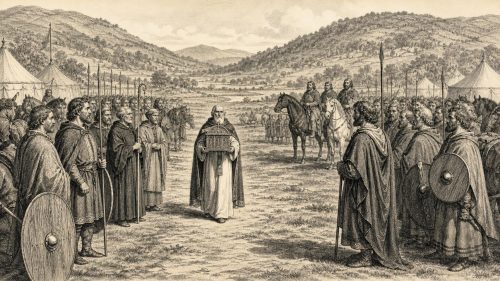
In 1113, Ireland was dominated by rivalry between Muirchertach Ua Briain of Munster and Domnall Ua Lochlainn of Ailech, whose coalitions threatened conflict. Domnall expelled Donnchad Ua hEochada and partitioned Ulaid, while Muirchertach mobilised Leinster and Connacht forces in response. On two occasions Cellach, successor of Patrick at Armagh, prevented battle, ultimately securing a year’s truce with the sacred Bachall Ísu. The events demonstrated Armagh’s ecclesiastical authority amid church reform. Local dynastic killings, cattle mortality, pilgrimage deaths on Croagh Patrick, and shrine-work at Clonmacnoise also reveal instability, devotion, economic vulnerability, and patronage. Neither overking prevailed before Muirchertach’s illness in 1114.
Read Article

Archived: 26 September 2026
Abstract
In 1112, rivalry between northern overking Domnall Ua Lochlainn and Munster’s Muirchertach Ua Briain shaped Irish politics. Domnall raided Fine Gall near Dublin, seizing cattle and captives, demonstrating northern power in a prosperous region. Armagh’s enclosure, church and neighbouring quarters burned on 23 March, amid implementation of diocesan reforms agreed at Ráith Bressail. Deaths included leading officers of Derry, Kildare and Clonfert, illustrating enduring ecclesiastical and dynastic institutions. Terryglass and Fore also suffered fires, while a local aristocrat was killed. Conversely, an abundant mast crop aided rural households and pig husbandry, underscoring countryside wealth vulnerable to warfare and disruption alike.
Read Article

Archived: 26 September 2026
Abstract
In 1111 Ireland remained divided among competing rulers, notably Muirchertach Ua Briain in the south and Domnall Ua Lochlainn in the north, while Tairdelbach Ua Conchobair extended Connacht’s influence. Raids, hostage-taking, dynastic conflict and attacks on churches, including Clonmacnoise, demonstrated political instability. The Synod of Ráith Bressail, attended by leading clerics and royal patrons, promoted ecclesiastical discipline and a territorial diocesan framework under Armagh and Cashel, though implementation was uneven. A Meath synod also negotiated church boundaries. Ulaid’s conflict with Cenél nÉogain, harsh winter conditions, and fires at several settlements further affected society, trade and rural livelihoods across Ireland broadly.
Read Article

Archived: 26 September 2026
Abstract
In 1110, Ireland remained divided among local and provincial rulers, dominated by Muirchertach Ua Briain of Munster and Domnall Ua Lochlainn of Ailech. Ua Lochlainn raided Connacht, taking many cattle and captives, while its young king, Tairdelbach Ua Conchobair, won at Ros but suffered defeat at Mag Brengair. Elsewhere, the Ulaid plundered Mucnám and regional kings were killed. Dynastic deaths affected Munster and northern alliances. Cellach of Armagh visited Mide, collecting dues and advancing church reform. Learned churchmen also died. Annals chiefly preserve elite violence and religion, while rural farming, trade, craftsmanship and learning sustained wider society throughout the year.
Read Article

Archived: 26 September 2026
Abstract
In 1109, rival Irish overkings Muirchertach Ua Briain and Domnall Ua Lochlainn mobilised major coalitions, while Murchad Ua Máel Sechlainn of Mide, allied to Ua Briain, raided Bréifne. The invaders seized cattle, captives and booty but failed to secure hostages; Aed Ua Ruairc retaliated, and Ardbraccan was burnt. Cellach of Armagh prevented confrontation between the principal armies at Sliab Fuait, arranging a one-year truce. Ua Lochlainn subsequently compelled Ulaid submission through hostages, amid continuing local feuds. Annals also note clerical deaths, church learning, severe weather, fasting, plentiful apples, crop-destroying mice, and vulnerability to warfare and environmental disruption throughout the island.
Read Article
Archived: 26 September 2026
Abstract
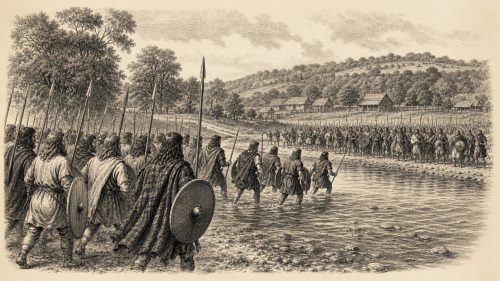
In 1159, Muirchertach Mac Lochlainn, Ireland’s leading overking, contested Ruaidrí Ua Conchobair’s power through shifting alliances across Meath, Bréifne, Airgíalla and Thomond. After reshaping Meath’s kingship, Mac Lochlainn faced Ruaidrí’s Connacht-Bréifne coalition, whose campaign was marked by Áed Ua Conchobair’s death at Athlone’s wicker bridge. At Ardee, northern and Airgíalla forces routed Ruaidrí’s army, killing numerous regional leaders. Mac Lochlainn subsequently ravaged Connacht and pressured Meath and Leinster, but gained neither Ruaidrí’s submission nor lasting control. Local raids, church deaths and rural military burdens reflected wider instability. Ardee confirmed his supremacy temporarily, yet preserved rivals and left Ireland’s kingship unresolved.
Read Article
Archived: 26 September 2026
Abstract
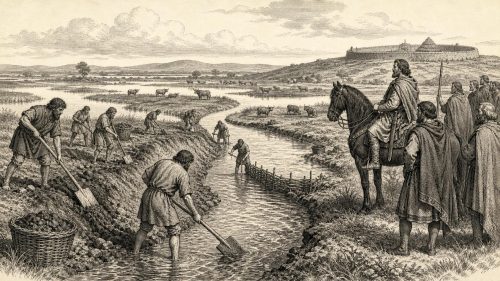
In 1139, Ireland remained politically fragmented, with Tairdelbach Ua Conchobair’s high-kingship dependent on force, alliances and hostages. He demonstrated authority by diverting the River Suck through marshes, strengthening Connacht’s eastern frontier, and by blinding a rival. Across Ireland, dynastic feuds brought killings, church burnings, plundering and violated sanctuary, while Munster’s Uí Briain exploited Cormac Mac Carthaig’s recent death. Church leaders negotiated peace between Munster and Leinster, and Malachy began his journey towards Rome, linking reformers with continental Christianity. Dublin’s religious life developed, poets and clerics died, and ordinary people directly bore warfare, tribute and labour demands during the troubled year.
Read Article


