
Archived: 26 September 2026
Abstract
During 1163, Muirchertach Mac Lochlainn’s high-kingship remained influential but dependent on negotiation, payments and local compliance. Meath’s rulers were reshaped through deposition and gold payment, while his son Niall’s coercive progress ended with his capture in Uí Maine after offences against communities and churches. Assassinations, deaths and cattle-raiding reflected continuing regional rivalries. Ecclesiastical leaders died, yet monastic institutions retained traditional offices alongside diocesan reform. Glendalough suffered a destructive fire, whereas Derry’s Columban community built a huge lime-kiln, signalling organised construction. Learning, agriculture, cattle wealth and Irish Sea trade underpinned society, revealing a politically fragmented but connected Ireland at this time.
Read Article

Archived: 26 September 2026
Abstract
In 1162 Muirchertach Mac Lochlainn’s loose high-kingship united northern, Meath and Connacht forces, yet failed to compel Dublin’s surrender; after plundering Fine Gall, he accepted 120 ounces of gold. Tribute arrangements in Meath and exemptions from coigny showed the political and local economic importance of land and provisioning. At Clane, Gelasius of Armagh led a synod reinforcing clerical discipline, Armagh’s educational primacy and church reform. Laurence O’Toole became archbishop of Dublin, while Derry’s sacred precinct was reorganised. Deaths, fires, relic enshrinement and raids exposed cultural vulnerability. Continuing regional warfare and dynastic rivalry undermined Mac Lochlainn’s seemingly dominant authority across Ireland.
Read Article

Archived: 26 September 2026
Abstract
In 1161 Ireland comprised competing provincial kingdoms, lordships, churches and towns rather than a unified state. Muirchertach Mac Lochlainn, dominant northern ruler, and Ruaidrí Ua Conchobair of Connacht negotiated authority through campaigns, hostages and assemblies, dividing influence while preserving Mac Lochlainn’s senior kingship. Meath remained contested, with local dynastic violence continuing despite high-level settlements. Church reform and power were marked by bishops’ deaths, Dublin Archbishop Gregory’s death, Columban privileges secured by Flaithbertach Ua Brolcháin, and written guarantees for Ardbraccan. Rural communities supplied armies and suffered plunder; cattle and silver underpinned wealth. Towns, learning and poetry shaped wider Irish cultural life.
Read Article

Archived: 26 September 2026
Abstract
In 1184, Ireland remained divided between Anglo-Norman lordships, Irish kings and Henry II’s limited royal administration. Philip of Worcester replaced Hugh de Lacy as governor, signalling efforts to prepare John’s projected lordship and restrain de Lacy’s power. In western Meath, Art Ua Máelshechlainn was murdered amid settler interference, and his successor joined Conchobar Máenmaige in destroying a settler castle, while another rose at Killare. Ruaidrí Ua Conchobair and Conchobar fought for Connacht. Meath settlers plundered Armagh, whose leadership was disputed. Assaroe received patronage, Clones burned, and castles, warfare and changing lordship burdened rural communities in an increasingly unstable frontier landscape.
Read Article

Archived: 26 September 2026
Abstract
Ireland in 1183 remained fragmented between Gaelic kingdoms and expanding Anglo-Norman lordships, with Henry II’s overlordship largely remote. The pivotal event was Conchobar Máenmaige’s accession in Connacht after Ruaidrí Ua Conchobair retired to Cong, initiating or intensifying a dynastic conflict rather than ending Ruaidrí’s influence. Annals also record killings among regional kindreds, illustrating persistent intra-Gaelic rivalry. De Lacy governed Meath and de Courcy defended Ulaid, where his Benedictine foundation at Down combined religious patronage with political consolidation. Anglo-Norman settlements, castles and estates remained vulnerable, while ports, farming, crafts and exchange linked changing lordships with enduring local communities across the island.
Read Article

Archived: 26 September 2026
Abstract
In 1182, Ireland remained divided among Gaelic kings, Norse-Irish towns and expanding Anglo-Norman lordships. Domnall Ua Lochlainn’s Cenél nEógain force was defeated at Dunbo, probably by John de Courcy’s men, who seized the Gospel of St Martin. In Munster, Miles de Cogan’s killing near Lismore triggered resistance and exposed the weakness of settlement beyond fortified bases. Dynastic conflicts continued in Connacht, Annaly and elsewhere. The deaths of leading churchmen coincided with Kilcooly Abbey’s foundation under Domnall Mór Ua Briain. Hugh de Lacy’s castles and manors transformed Meath, yet trade, Gaelic institutions and local power still endured amid an unsettled frontier.
Read Article
Archived: 26 September 2026
Abstract
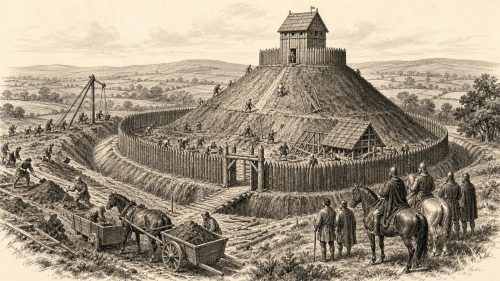
Ireland in 1181 remained politically fragmented among Gaelic kingdoms, Norse-Irish towns, church lordships and expanding Anglo-Norman territories. Henry II recalled Hugh de Lacy, fearing his autonomous power and Connacht marriage alliance, before restoring him under closer scrutiny. Flaithbertach Ua Máel Doraid defeated Connacht forces at Carbury, while killings, campaigns and cattle raids intensified Ulster rivalries. Tommaltach Ua Conchobair asserted Armagh's authority through Cenél Eógain; Henry influenced John Cumin's election to Dublin. Earth-and-timber castles supported settlement and land redistribution. Rural wealth depended on livestock and agriculture, while trade, monastic institutions and Gaelic learning endured. Rulers, churches and colonists contested regional frontiers.
Read Article
Archived: 26 September 2026
Abstract
In 1180 Ireland remained politically fragmented, as Ruaidrí Ua Conchobair’s weakened high-kingship, Henry II’s overlordship and expanding Anglo-Norman lordships overlapped with resilient Gaelic dynasties. Hugh de Lacy’s marriage to Ruaidrí’s daughter demonstrated frontier diplomacy, despite royal suspicion. Connacht’s Battle of the Conors strengthened Ruaidrí’s family but devastated Uí Maine leadership, while local killings reflected persistent instability. Ecclesiastical politics shaped events at Derry and Armagh, where Tommaltach Ua Conchobair’s appointment required negotiation. Archbishop Lorcán Ua Tuathail died in Normandy during diplomacy with Henry. Castles at Carrickfergus and Meath advanced settlement, although Gaelic communities, pastoral economies and established ports retained substantial influence.
Read Article

Archived: 26 September 2026
Abstract
1179 Ireland remained politically fragmented despite Henry II’s overlordship, Ruaidrí Ua Conchobair’s western influence, and expanding lordships under Hugh de Lacy and John de Courcy. Laurence O’Toole attended the Third Lateran Council, became papal legate, secured Dublin’s privileges, and convened Clonfert synod to advance church reform against lay control. Henry reprimanded de Lacy following Irish complaints, but settlement continued. In the north, a relic-sworn peace at Ardstraw ended in treacherous killings and devastation. Fires damaged Armagh and several church centres. Annals recorded famine, warfare and destructive snow, exposing vulnerable rural communities amid religious reform, diplomatic engagement, and enduring political instability.
Read Article

Archived: 26 September 2026
Abstract
By 1178, English lordship in Ireland remained limited to Dublin, parts of Leinster and eastern Meath, while Gaelic kings retained most territories amid rivalries and shifting alliances. Hugh de Lacy raided Clonmacnoise and the midlands, but Connacht resistance constrained him. John de Courcy suffered heavy defeats during northern raids, showing Anglo-Norman arms were vulnerable to terrain, ambushes and supply problems. Warfare across Connacht and Munster damaged settlements, churches and livestock. Dynastic conflicts, ecclesiastical deaths, monastic foundations and learned culture continued alongside violence. Annals also recorded wind damage at Derry and the drying of the River Galway, as conquest remained undecided.
Read Article


