
Archived: 26 September 2026
Abstract
In 1212, royal efforts to extend King John’s Irish lordship through castles, taxation and military campaigns met persistent resistance. John de Gray’s northern offensive built Clones and Cáel Uisce castles, but forces associated with Áed Méith Ua Néill and other Gaelic leaders defeated raiders and destroyed both strongholds. Seaborne warriors from Galloway and the Isles ravaged Derry and Inishowen, aided by Cenél Conaill. In Meath, Cormac Ua Máel Sechlainn defeated English forces, while Munster and Desmond saw fort-building and dynastic conflict. Administrative records reveal expanding royal finance, yet authority remained uneven, shaped by alliances, tribute, churches, raids and regional rivalries.
Read Article

Archived: 26 September 2026
Abstract
In 1211, King John’s Irish lordship remained fragile despite his previous campaign against the de Lacys. John de Gray, royal justiciar, sought to consolidate control through castles, garrisons, revenue collection and alliances, as recorded in the Irish Pipe Roll. At Athlone, Richard de Tuit and eight others died when a new tower collapsed, highlighting frontier tensions and disputes over church land. In the north, Áed Méith Ua Néill repelled foreign forces at Narrow Water, demonstrating organised resistance. Irish rulers negotiated through hostages and temporary agreements. Royal power expanded through administration and fortification, but Ireland remained a patchwork of competing jurisdictions.
Read Article

Archived: 26 September 2026
Abstract
In 1209, Ireland remained politically divided between King John’s lordship, centred on Dublin and Anglo-Norman estates, and competing Gaelic dynasties. John de Grey, acting justiciar, strengthened royal administration, while Dublin’s developing castle symbolised expanding governance. The later tradition of Black Monday recalled settlers’ vulnerability beyond the city walls, though its details are uncertain. Warfare in Inishowen between Ó Néill and Ó Domnaill forces demonstrated contested northern borderlands. In Desmond, Finghin Mac Carthaigh’s killing during a booty dispute triggered succession change; Breifne likewise saw rival Ó Ruairc claimants. Ecclesiastical deaths and everyday economic obligations underscore communities affected by unstable, negotiated power.
Read Article

Archived: 26 September 2026
Abstract
In 1208, conflict within the Anglo-Norman lordship undermined royal authority in Ireland. William Marshal’s allies captured justiciar Meiler fitz Henry at Thurles, prompting King John to restore Marshal’s lands and appoint John de Grey. These settlements strengthened supervision but did not end rivalry among colonial magnates. Gaelic rulers remained independent actors: northern dynasties fought and later negotiated, while English influence shaped succession in Breifne. In Munster, dynastic disputes involved Limerick’s English community and church guarantors, despite breaches of protection. Ecclesiastical life continued amid violence and uncertainty. The year revealed a fragmented Ireland, governed through local alliances, force, charters and negotiation.
Read Article

Archived: 26 September 2026
Abstract
In 1199, Ireland remained a fragmented landscape of Gaelic lordships, church lands and expanding Anglo-Norman seigneuries rather than a uniform English possession. King John’s accession united the English crown with the lordship of Ireland, though power remained uneven. In Connacht, Cathal Crobhdearg and Cathal Carrach made an uneasy peace as William de Burgh pursued his grant. Northern campaigns exposed colonial limits when Áed Ua Néill defeated foreign forces. Raids damaged communities and churches, including Armagh. Richard de Tiúit built Granard’s motte-and-bailey, strengthening Meath’s frontier. Annals record famine, capture, deaths, cattle-raiding and hostages, revealing conflict’s burden on ordinary populations throughout Ireland.
Read Article

Archived: 26 September 2026
Abstract
In 1197 John de Courcy extended his Ulster lordship, building Kilsanctan castle and raiding Ciannachta and the Derry region. After King Flaithbertach Ua Máeldoraid died, de Courcy defeated his successor Echmarcach Ua Dochartaig, killed many Cenél Conaill warriors and seized cattle, though north-western control remained contested. Churches were targets, protectors of authority and repositories of treasure, illustrated by Derry altar’s robbery and punishment. Dynastic warfare also afflicted Thomond and Connacht. Limerick received borough liberties under John, while Archbishop John Cumin contested ecclesiastical property with the justiciar. The year revealed fragmented power, enduring Gaelic resistance, and incomplete conquest across medieval Ireland.
Read Article

Archived: 26 September 2026
Abstract
In 1191, Ireland experienced political fragmentation, local violence and severe environmental disruption. Ruaidrí Ua Conchobair, the displaced former king of Connacht, travelled north and apparently sought wider support to recover power after dynastic conflict, but gained land rather than a decisive coalition. In Munster, Muirchertach son of Cathal Odar was treacherously killed by incoming Anglo-Norman forces, illustrating unstable frontier relations. Annals also record construction of Rath-cuanartaigh castle and deaths of prominent churchmen. Most notably, a great wind destroyed churches, homes and woodland, killing people and livestock, exposing communities’ dependence on vulnerable material resources amid competing Gaelic and foreign rival lordships.
Read Article

Archived: 26 September 2026
Abstract
In 1187, Ireland remained politically divided between Gaelic kingdoms and Anglo-Norman lordships, whose frontier was weakened after Hugh de Lacy’s death. Conchobar Máenmaige Ua Conchobair and Máel Sechlainn Bec destroyed Killare castle in western Meath, gaining arms and challenging colonial expansion. Northern dynastic warfare included Ruaidrí Ua Flaithbertaig’s death and reprisals after Drumcliff’s plunder by a mixed Gaelic-Norman force. Lightning or fire devastated the Rock of Lough Key, killing many inhabitants and straining Moylurg’s ruling family during succession. Churchmen, scholars and monastic foundations reflected reform and regional connections, while trade, agriculture and cross-cultural alliances shaped life amid conflict and recovery.
Read Article

Archived: 26 September 2026
Abstract
Ireland in 1183 remained fragmented between Gaelic kingdoms and expanding Anglo-Norman lordships, with Henry II’s overlordship largely remote. The pivotal event was Conchobar Máenmaige’s accession in Connacht after Ruaidrí Ua Conchobair retired to Cong, initiating or intensifying a dynastic conflict rather than ending Ruaidrí’s influence. Annals also record killings among regional kindreds, illustrating persistent intra-Gaelic rivalry. De Lacy governed Meath and de Courcy defended Ulaid, where his Benedictine foundation at Down combined religious patronage with political consolidation. Anglo-Norman settlements, castles and estates remained vulnerable, while ports, farming, crafts and exchange linked changing lordships with enduring local communities across the island.
Read Article

Archived: 26 September 2026
Abstract
In 1182, Ireland remained divided among Gaelic kings, Norse-Irish towns and expanding Anglo-Norman lordships. Domnall Ua Lochlainn’s Cenél nEógain force was defeated at Dunbo, probably by John de Courcy’s men, who seized the Gospel of St Martin. In Munster, Miles de Cogan’s killing near Lismore triggered resistance and exposed the weakness of settlement beyond fortified bases. Dynastic conflicts continued in Connacht, Annaly and elsewhere. The deaths of leading churchmen coincided with Kilcooly Abbey’s foundation under Domnall Mór Ua Briain. Hugh de Lacy’s castles and manors transformed Meath, yet trade, Gaelic institutions and local power still endured amid an unsettled frontier.
Read Article
Archived: 26 September 2026
Abstract
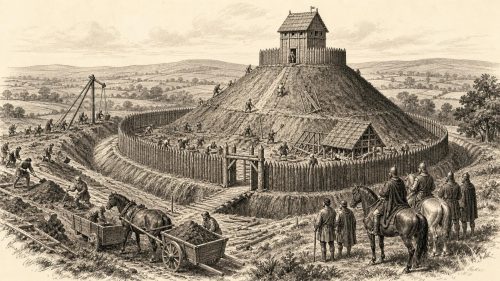
Ireland in 1181 remained politically fragmented among Gaelic kingdoms, Norse-Irish towns, church lordships and expanding Anglo-Norman territories. Henry II recalled Hugh de Lacy, fearing his autonomous power and Connacht marriage alliance, before restoring him under closer scrutiny. Flaithbertach Ua Máel Doraid defeated Connacht forces at Carbury, while killings, campaigns and cattle raids intensified Ulster rivalries. Tommaltach Ua Conchobair asserted Armagh's authority through Cenél Eógain; Henry influenced John Cumin's election to Dublin. Earth-and-timber castles supported settlement and land redistribution. Rural wealth depended on livestock and agriculture, while trade, monastic institutions and Gaelic learning endured. Rulers, churches and colonists contested regional frontiers.
Read Article
Archived: 26 September 2026
Abstract
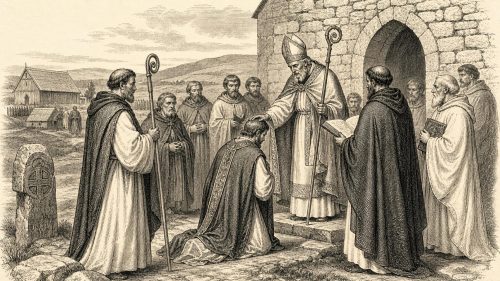
In 1180 Ireland remained politically fragmented, as Ruaidrí Ua Conchobair’s weakened high-kingship, Henry II’s overlordship and expanding Anglo-Norman lordships overlapped with resilient Gaelic dynasties. Hugh de Lacy’s marriage to Ruaidrí’s daughter demonstrated frontier diplomacy, despite royal suspicion. Connacht’s Battle of the Conors strengthened Ruaidrí’s family but devastated Uí Maine leadership, while local killings reflected persistent instability. Ecclesiastical politics shaped events at Derry and Armagh, where Tommaltach Ua Conchobair’s appointment required negotiation. Archbishop Lorcán Ua Tuathail died in Normandy during diplomacy with Henry. Castles at Carrickfergus and Meath advanced settlement, although Gaelic communities, pastoral economies and established ports retained substantial influence.
Read Article

Archived: 26 September 2026
Abstract
In 1158, Ireland remained politically fragmented, though Muirchertach Mac Lochlainn of Cenél nEógain dominated the high-kingship contest against Connacht’s Ruaidrí Ua Conchobair. Raids, rebellions and struggles in Tethbae, Meath, Tír Conaill and Munster exposed limits of overlordship, while annalistic dating leaves some campaigns uncertain. The Synod of Brí Mic Taidg, led by Armagh’s archbishop and a papal legate, promoted church reform and elevated Derry’s Flaithbertach Ua Brolcháin as arch-abbot of Columban churches. Yet travelling bishops were attacked. Munster saw dynastic violence, whereas Amhlaoibh Ó Donnchadha completed Aghadoe’s church before his death. Cattle-based wealth, rural life, towns, and destructive flooding underpinned.
Read Article

Archived: 26 September 2026
Abstract
In 1156, the death of Toirdelbach Ua Conchobair ended a career of contested island-wide authority and prompted succession struggles. Ruaidrí Ua Conchobair secured Connacht through hostage-taking and blinding rivals, while Muirchertach Mac Lochlainn expanded northern power by compelling submissions in Ulaid, Leinster and Osraige. Warfare and shifting alliances destabilised Mide, involving Leinster, Bréifne and Dublin forces. Power depended on hostages, tribute, raids and military expeditions, despite ecclesiastical protections. Toirdelbach’s burial at Clonmacnoise and gifts affirmed royal patronage. Fires damaged churches, religious reform continued, and learning suffered losses. A plentiful harvest was followed by severe frost, underscoring the year’s political uncertainty.
Read Article

Archived: 26 September 2026
Abstract
In 1153, rivalry between high king Toirdelbach Ua Conchobair and Muirchertach Mac Lochlainn reshaped Ireland’s political order. Following Murchad Ua Máelshechlainn’s death, his son secured Mide through violence, while Derbfhorgaill returned from Leinster to Tigernán Ua Ruairc amid circumstances. Connacht allies partitioned Munster, expelling Toirdelbach Ua Briain, but Mac Lochlainn restored him, defeated Ruaidrí Ua Conchobair at Fordruim, and imposed settlements across Mide. Control of Shannon crossings, hostages, cattle and alliances underpinned power. Church visitations, monastic developments, rural production and a fatal sea voyage reveal religious, economic and social conditions. Mac Lochlainn ended year strengthened, though no settlement was permanent.
Read Article
Archived: 26 September 2026
Abstract
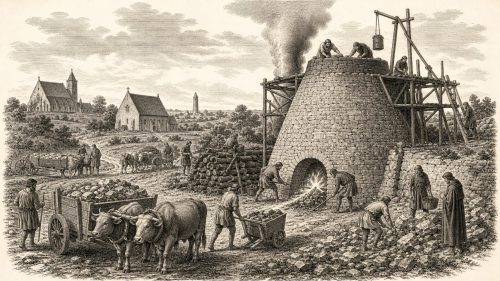
In 1145, Ireland’s contested high-kingship produced widespread warfare, recalled by annalists as a trembling sod. Tairdelbach Ua Conchobair of Connacht faced rebellion from Tigernán Ua Ruairc of Bréifne, Munster offensives and instability in Mide. In the north, Muirchertach Mac Lochlainn regained Cenél nÉogain with support from Cenél Conaill and Airgialla, establishing a powerful rival centre. Campaigns involved battles, cattle raids, burnings, captives and naval conflict on the Shannon, where Connacht defeated Munster and Limerick forces. Amid turmoil, Armagh’s church built a large limekiln, demonstrating ecclesiastical resources, reform and continuing organised construction. The year reshaped, but did not settle, Irish supremacy.
Read Article

Archived: 26 September 2026
Abstract
In 1135, Ireland remained politically fragmented despite Toirdelbach Ua Conchobair’s strong, contested overlordship. Murchad Ua Máelshechlainn asserted Mide’s strategic river power by receiving hostages on the Shannon. Connacht endured dynastic killings, battles, raids and the destruction of Roscommon, while northern Uí Néill rivals, Munster factions and smaller kingdoms pursued warfare and shifting alliances. Malachy strengthened his disputed authority at Armagh by acquiring the Bachall Ísu, advancing church reform. Deaths of leading bishops and clerics, notably at Lismore, marked generational change. Fires damaged ecclesiastical centres, lightning struck towers, and plentiful mast harvest supported food supplies amid rural, maritime and market-based society.
Read Article
Archived: 26 September 2026
Abstract
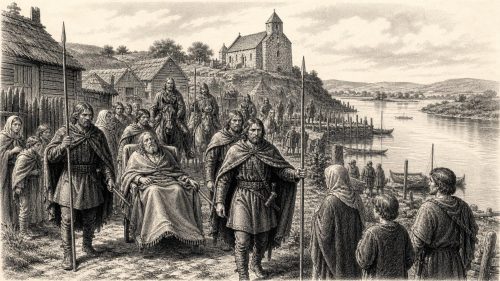
In 1114, Muirchertach Ua Briain’s illness shattered his dominance of Ireland, enabling his brother Diarmait to seize Munster and confine him at Killaloe. Domnall Ua Lochlainn led a northern coalition into Munster, but its campaign ended in a year’s truce, influenced by the independent Connacht king, Tairdelbach Ua Conchobair. Tairdelbach suppressed rivals, raided Meath and consolidated Connacht. Elsewhere, warfare, killings, depositions and blinding exposed unstable successions. Church reform coexisted with monastic institutions, whose leaders’ deaths and fires were recorded. Raids, forced provisioning and livestock disease damaged communities. No settlement emerged: Uí Briain power waned as Connacht became a decisive rival.
Read Article
Archived: 26 September 2026
Abstract
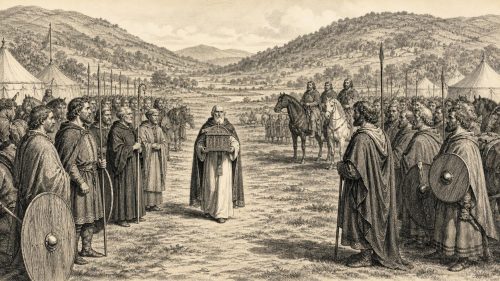
In 1113, Ireland was dominated by rivalry between Muirchertach Ua Briain of Munster and Domnall Ua Lochlainn of Ailech, whose coalitions threatened conflict. Domnall expelled Donnchad Ua hEochada and partitioned Ulaid, while Muirchertach mobilised Leinster and Connacht forces in response. On two occasions Cellach, successor of Patrick at Armagh, prevented battle, ultimately securing a year’s truce with the sacred Bachall Ísu. The events demonstrated Armagh’s ecclesiastical authority amid church reform. Local dynastic killings, cattle mortality, pilgrimage deaths on Croagh Patrick, and shrine-work at Clonmacnoise also reveal instability, devotion, economic vulnerability, and patronage. Neither overking prevailed before Muirchertach’s illness in 1114.
Read Article

Archived: 26 September 2026
Abstract
In 1100 Ireland remained divided among local and provincial kings, as Muirchertach Ua Briain of Munster and Domnall Ua Lochlainn of Ailech contested supremacy. Muirchertach’s northern expedition to Eas Ruaidh failed, Leinster raided Airgialla, and Dublin’s fleet was destroyed in Inis Eógain. Domnall retaliated by ravaging Brega and Fine Gall and captured Donnchad Ua hEochada, king of Ulaid. Deaths of rulers and churchmen altered regional politics. Warfare burdened rural communities, while Dublin’s maritime economy remained important. Monasteries sustained learning, pilgrimage and mediation. Neither overking prevailed; their struggle intensified before Muirchertach’s major 1101 campaign, which devastated Ailech and displayed southern power.
Read Article

Archived: 26 September 2026
Abstract
In 1093, Muirchertach Ua Briain of Munster expanded his influence through Connacht, Mide and reconciliation with his brother Diarmait, but failed to secure lasting control over Connacht after Síl Muiredaig returned from exile. His northern rival, Domnall Ua Lochlainn of Ailech, allied with Ulaid against southern power and blinded a regional rival. Covenants at Lough Neagh, Cashel and Lismore, guaranteed by revered relics, underscored religion’s political role. Annals also record churchmen’s deaths, changing manuscript production, severe frost, wind damage, pestilence and abundant woodland mast. Cattle, agriculture, towns and Irish Sea links shaped society. Ireland remained politically divided despite ambitious overlordship.
Read Article

Archived: 26 September 2026
Abstract
In 1072 Diarmait mac Máel na mBó, dominant ruler of Leinster, Osraige and Dublin, was defeated and killed at Odba by Conchobar Ua Máelshechlainn of Mide, probably with Tairdelbach Ua Briain’s support. His death shattered a personal network of alliances rather than a unified kingdom. Tairdelbach swiftly raided and secured hostages in Leinster and Osraige, gained Dublin’s submission, and consolidated Munster authority. Annals also record killings among regional rulers and ecclesiastical leaders, illustrating pervasive conflict. Cattle-raiding, captives, hospitality obligations and Dublin’s trade reveal political power’s economic and social foundations. Odba initiated Tairdelbach’s contested pursuit of Irish overkingship in ensuing years.
Read Article

Archived: 26 September 2026
Abstract
In 1071, Diarmait mac Máel na mBó’s southern Irish dominance weakened after dynastic losses, while his ally and foster-son, Tairdelbach Ua Briain of Munster, increasingly supplied the military force behind their authority. Tairdelbach took Leinster and Mide hostages for Diarmait, raided midland rivals, and mobilised Munster to build Shannon bridges at Áth Caille and Killaloe, improving strategic communications. Violence, depositions and killings affected Ulaid, Donegal and the midlands. Kildare, Glendalough and Clondalkin were burned amid Leinster instability. Despite warfare, farming, craft production, trade and ecclesiastical learning continued, as Tairdelbach’s infrastructure, diplomacy and campaigns foreshadowed his rising power in southern Ireland.
Read Article

Archived: 26 September 2026
Abstract
In 1061, Ireland lacked a supreme king and regional rivalries intensified. Connacht’s Áed Ua Conchobair raided Munster, destroying Kincora and damaging Killaloe, thereby exposing Donnchad mac Briain’s weakening authority. Áed was briefly displaced by the Ua Flaithbertaig of western Connacht, but defeated them and killed Ruaidrí. Elsewhere, battles, killings and deaths reshaped northern and eastern lordships, while Diarmait mac Maíl na mBó pressed Munster and projected power towards Man. Severe epidemic disease afflicted Leinster, and Glendalough was burned. Deaths of churchmen highlighted ecclesiastical institutions’ importance. Differing annal dates complicate chronology, but collectively portray fragile power, violence, hardship and political change.
Read Article
Archived: 26 September 2026
Abstract
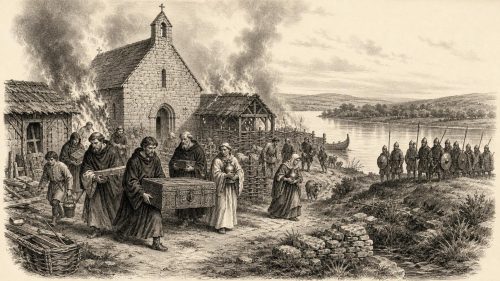
In 1045, Irish annals depict a politically fragmented island ruled by competing Gaelic dynasties and Hiberno-Norse Dublin. Deaths of regional kings destabilised succession, while Ímar of Dublin killed Ulaid forces and heir Ragnall Ua hEochada on Rathlin. Ulaid retaliated or pressured Dublin by burning Swords and Fingal. Muirchertach Ua Néill’s raid in Brega ended in tidal disaster at Casán Linne. Munster saw aristocratic killings and rivalry beneath Donnchad mac Briain. Churches at Clonfert and elsewhere suffered violence, fire and exactions, despite their influence. A crop failure compounded insecurity, although farming, Dublin trade, monastic institutions and scholarly annal-writing sustained durable networks.
Read Article
Archived: 26 September 2026
Abstract
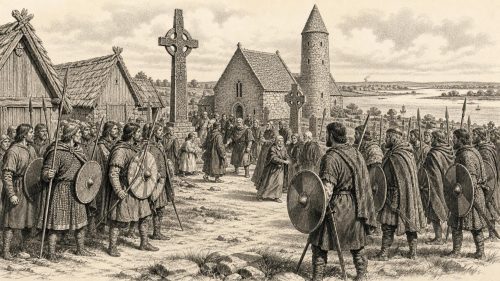
During 1038, Ireland remained fragmented, with rival dynasties contesting kingship, territory and influence. Local violence reached ecclesiastical centres: Orc Allaid Ua Ruadacáin was killed at Armagh by Clann Sínaig; Delbna defeated Uí Maine at Clonmacnoise during Ciarán’s feast; and Conchobar Ua Máelshechlainn’s Gailenga plundered Clonard. Killings, imprisonment and succession disputes affected Mide, Munster, Donegal and Dublin, where Ímar replaced Echmarcach. Rathlin was raided by Norse or Hiberno-Norse forces. Church obituaries reveal institutional networks and pilgrimage to Rome. Annals also note abundant fruit while stressing chronological uncertainty. Sacred settlements, central to worship, learning and economic life, proved vulnerable to regional feuds.
Read Article

Archived: 26 September 2026
Abstract
Irish annals portray 1033 as a fragmented year of regional rivalry, ecclesiastical authority and economic pressure. Donnchad mac Gilla Pátraic of Osraige asserted Leinster kingship by holding the Fair of Carman, a public demonstration of rule, clerical support, trade and legal order. In Mide, Ua Máel Sechnaill conflicts brought battlefield deaths, plundering and Murchad's assassination. Áed Ua Néill, heir designate to Ireland’s high-kingship, died, while killings destabilised Ciarraige, Éile, Munster and northern territories. Church obituaries and a reported bleeding shrine at Armagh underlined sacred authority. Cattle disease, farming and Hiberno-Norse maritime networks shaped everyday life amid political uncertainty across Ireland.
Read Article

Archived: 26 September 2026
Abstract
In 1032, annalistic records portray Ireland as a patchwork of competing lordships after the decline of island-wide kingship. Domnall ua Maíl Doraid of Cenél Conaill and Mathgamain Ua Riacáin of Brega were killed, while Mathgamain’s killer was blinded. Sitriuc of Dublin defeated neighbouring groups at the Boyne estuary. In Munster, Donnchad mac Briain married Ragnall’s daughter, reinforcing Norse-Gaelic connections amid regional tensions. Deaths of local rulers, officials and prominent churchmen reveal dispersed authority. The killing of Étrú Ua Conaing after violation of Emly underscored ecclesiastical protection. These fragmentary notices vividly depict warfare, alliance, church power, and political instability throughout Ireland.
Read Article

Archived: 26 September 2026
Abstract
In 1030, Ireland remained divided among competing dynasties after Brian Bórama and Máel Sechnaill’s deaths. Annals record the killing of Tadc Ua Conchobair of Connacht, conflict and devastation in Mide, and northern rivalry culminating in Ruaidrí Ua Canannáin’s death. Flaithbertach Ua Néill travelled to Rome, while Tadc of Uí Cheinnselaig died on pilgrimage at Glendalough. Gormlaith’s death linked Leinster, Dublin and Munster dynasties. Ecclesiastical leaders, including successors of Ciarán, Tigernach and Comgall, died, alongside chief poet Cú Mara. Relic profanation, church attacks, maritime loss and a solar eclipse illustrate religion, learning, violence and observation shaping everyday political life across Ireland.
Read Article
Archived: 26 September 2026
Abstract
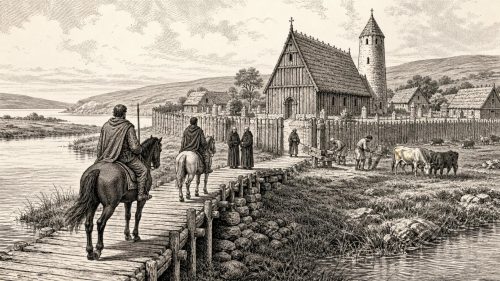
In 1027, Irish annals recorded a politically fragmented island where regional rulers, Dublin and monasteries shaped events. Donnchad mac Briain of Munster invaded Osraige, taking booty and captives, but suffered a costly defeat against local resistance. In Mide, forces of Sitriuc Silkbeard’s Dublin and Brega fought Mide, killing both Ráen ua Máel Sechnaill and Donnchad ua Duinn. Northern cattle raids and local conflicts underscored persistent border warfare. Deaths, pilgrimages and ecclesiastical successions linked Ireland to Iona, Rome and Cologne. The reported desecration of the Staff of Jesus demonstrated relics’ public importance. Warfare, trade, lordship and Christian learning were deeply interconnected.
Read Article




