Archived: 3 October 2026
Abstract
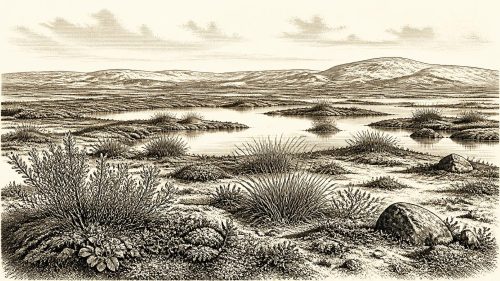
Around 30,333 BCE, Ireland’s evidence belongs to the climatically unstable Marine Isotope Stage 3, not a recoverable historical year. At Derryvree, County Fermanagh, freshwater organic sediments between glacial tills indicate a local ice-free interval within a cold, open, wetland landscape of sedges, mosses, shallow water, low shrubs and insects. Radiocarbon calibration places this deposit broadly between about 34,950 and 29,750 BCE. Castlepook Cave, County Cork, preserves Middle Devensian fauna, including mammoth, reindeer, giant deer, predators and small cold-adapted mammals. A possibly cut-marked reindeer bone suggests human presence, but cannot prove settlement. No camps, tools, hearths or social institutions are known.
Read Article
Archived: 3 October 2026
Abstract
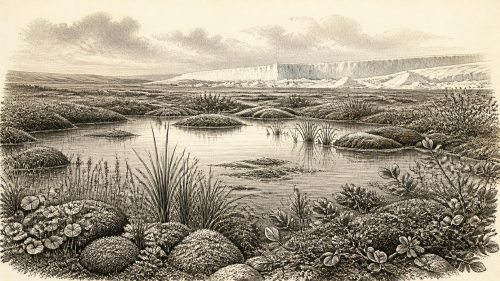
The label 30,334 BCE cannot identify an Irish event, but falls within a broad calibrated range for Late Pleistocene Marine Isotope Stage 3. At Derryvree, County Fermanagh, organic freshwater silts between glacial tills record an ice-free interval before renewed glaciation. Fossil plants and insects indicate a patchy, tundra-like periglacial wetland with sedges, mosses, bogbean and water-milfoil. Ireland’s ice sheet expanded unevenly, later reshaping landscapes and destroying evidence. Cave fauna demonstrate changing communities of large mammals and predators, not a single contemporary assemblage. No securely dated occupation establishes human presence, society or trade. The period is environmentally reconstructed from uncertain evidence.
Read Article
Archived: 3 October 2026
Abstract
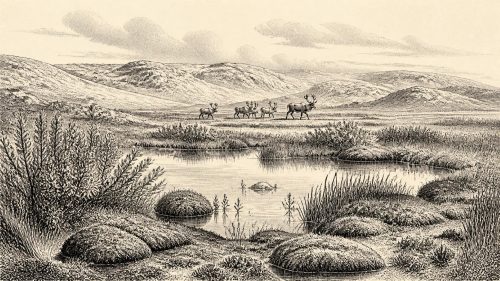
Around 30,335 BCE, Ireland cannot be described through precise annual history, but through fragmentary Ice Age evidence. At Derryvree, County Fermanagh, organic sediments between glacial tills indicate an ice-free, cold, treeless wetland with pools, sedges, mosses and hardy plants, later overridden by advancing ice. Castlepook Cave, County Cork, preserves remains of mammoths, reindeer, giant deer, predators and other cold-climate fauna, showing varied, productive habitats. A modified reindeer bone may indicate human activity, but cannot prove settlement. No social institutions or material culture are securely documented. Together, these sites reveal regionally diverse environments increasingly transformed and obscured by glaciation over time.
Read Article
Archived: 3 October 2026
Abstract
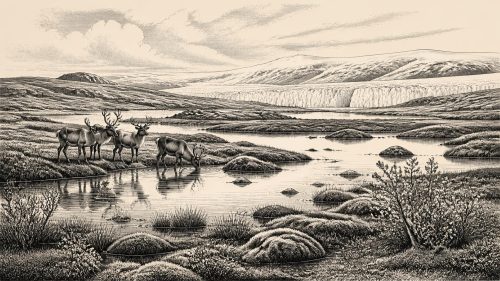
At 30,336 BCE, Ireland is understood only through broad Late Pleistocene evidence, not annual records. Derryvree, County Fermanagh, preserves freshwater sediments between glacial tills; BIRM-166 dates their formation broadly to a period encompassing this notional year. Fossils indicate treeless, cold tundra wetlands with aquatic plants, sedges, mosses and hardy shrubs, during fluctuating ice conditions. Southern cave deposits document varied cold-stage fauna, including reindeer, mammoth, bears and predators, although species were not necessarily contemporaneous. A possibly cut-marked reindeer bone suggests, but does not establish, early human visitation. No settlement, polity or continuous occupation is evidenced; advancing ice reshaped and buried landscapes.
Read Article
Archived: 3 October 2026
Abstract
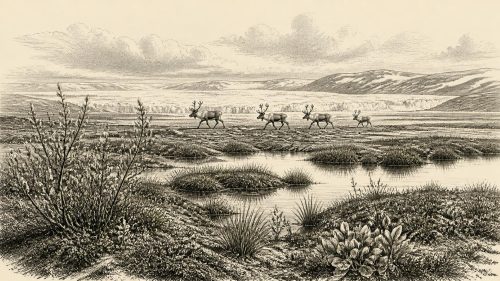
30,337 BCE is a modern label within MIS 3, not a year identifiable in Irish history. At Derryvree, County Fermanagh, organic sediments between tills, broadly dated to 36,900–31,700 calibrated years BP, record an ice-free freshwater wetland with cold, treeless vegetation. Castlepook Cave, County Cork, preserves mixed fauna accumulated over millennia, including reindeer, mammoth, giant deer and cold-adapted carnivores, demonstrating ecological links with north-west Europe. Ireland preceded the Last Glacial Maximum, when ice expanded widely. A possibly cut-marked reindeer femur suggests human presence but cannot prove settlement. Evidence supports a shifting, sparsely vegetated landscape, while human activity and routes remain uncertain.
Read Article

Archived: 3 October 2026
Abstract
About 30,338 BCE, Ireland lay within the unstable Late Pleistocene, not a precisely recoverable calendar year. Derryvree, County Fermanagh, preserves freshwater wetland sediments dated broadly to this period, indicating open, cold, treeless terrain of sedges, mosses, pools and tundra plants. Episodic calcite growth in County Kerry’s Crag Cave shows that southwest Ireland periodically retained circulating water during milder phases. Advancing ice later buried or destroyed landscapes, while Castlepook Cave fauna records mammoth, reindeer and carnivores. A marked reindeer bone may indicate human processing, but proves neither settlement nor culture. Evidence supports a regionally varied Ice Age environment, not year-specific events.
Read Article
Archived: 3 October 2026
Abstract
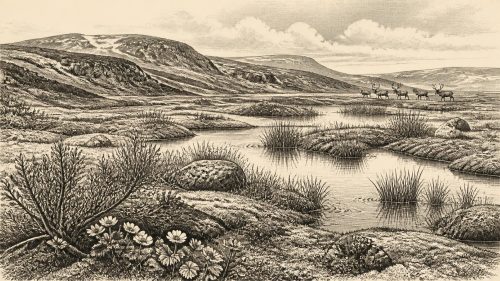
Thirty millennia BCE is a modern label, and Ireland’s conditions can only be reconstructed through environmental and archaeological evidence. At Derryvree, Fermanagh, an imperfectly dated organic wetland layer indicates cold, treeless tundra-steppe, freshwater pools and wet ground before renewed glaciation buried it beneath sands and till. Castlepook Cave, Cork, preserves remains of mammoth, reindeer, giant deer, predators and fauna, demonstrating ecological links with north-west Europe. A marked reindeer femur may record early human butchery, but lacks secure contextual evidence. No settlements, polities or cultures can be identified. The period is best understood as environmentally volatile, with fragmentary archives requiring investigation.
Read Article
Archived: 3 October 2026
Abstract
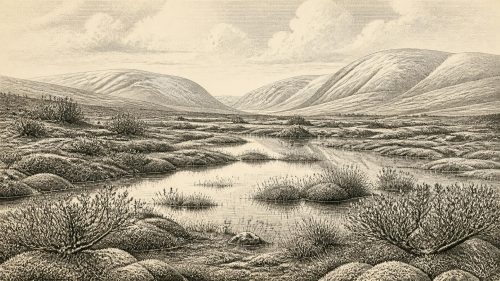
At 30,340 BCE, Ireland’s past can be reconstructed only broadly from environmental evidence. Derryvree in Fermanagh preserves organic freshwater sediments between glacial tills, dated broadly to later Marine Isotope Stage 3. They show an ice-free periglacial wetland with tundra vegetation, mosses, sedges and shallow water, later buried by renewed ice. Climate fluctuated sharply, with mobile ice margins. Southern cave remains indicate intermittent access for mammoth, reindeer and other cold-stage fauna, though they do not represent a single time or community. A possibly cut-marked reindeer bone suggests tentative human contact, but no evidence supports permanent settlement or social organisation in Ireland.
Read Article
Archived: 3 October 2026
Abstract
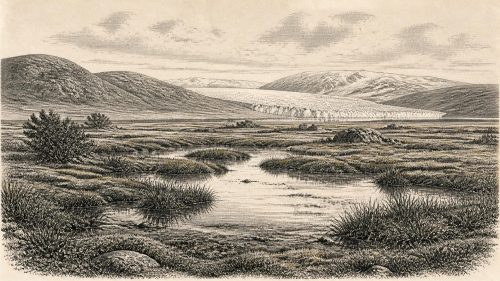
About 30,341 BCE, Ireland has no recoverable calendar history, only Pleistocene environmental evidence. At Derryvree, County Fermanagh, freshwater silts and organic deposits lay between two glacial tills, showing an ice-free wet tundra interval before renewed glaciation. Radiocarbon dating places this sequence broadly within 36,900–31,700 calibrated years BP, not a precise year. Plants and fossils indicate treeless, periglacial conditions. Castlepook Cave, County Cork, preserves remains of cold-adapted mammals, although their dates and associations are complex. A marked reindeer bone may indicate human butchery, yet no secure Palaeolithic settlement is known. The period is best understood as changing landscapes, not human history.
Read Article

Archived: 2 October 2026
Abstract
About 30,342 BCE, Ireland lay within the climatically unstable Marine Isotope Stage 3, rather than any recordable historical year. Derryvree, County Fermanagh, preserves freshwater silts between glacial tills, indicating an ice-free interval with cold, open tundra wetlands supporting mountain avens, bogbean and aquatic plants. Cave deposits at Castlepook, County Cork, document mammoth, reindeer, giant deer and predators, although their chronology and associations remain imperfect. A cut-marked reindeer femur may indicate human butchery around 31,000 BCE, but cannot demonstrate settlement. As ice expanded towards the Last Glacial Maximum, environmental evidence is reliable, whereas political, cultural and religious history remains wholly unknown.
Read Article


