Wolfe Tone
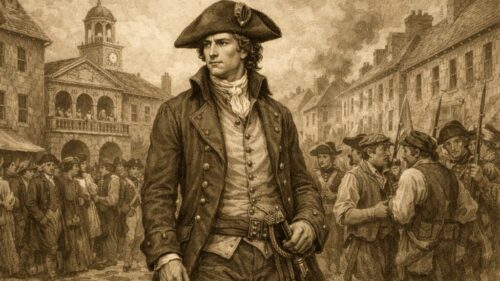
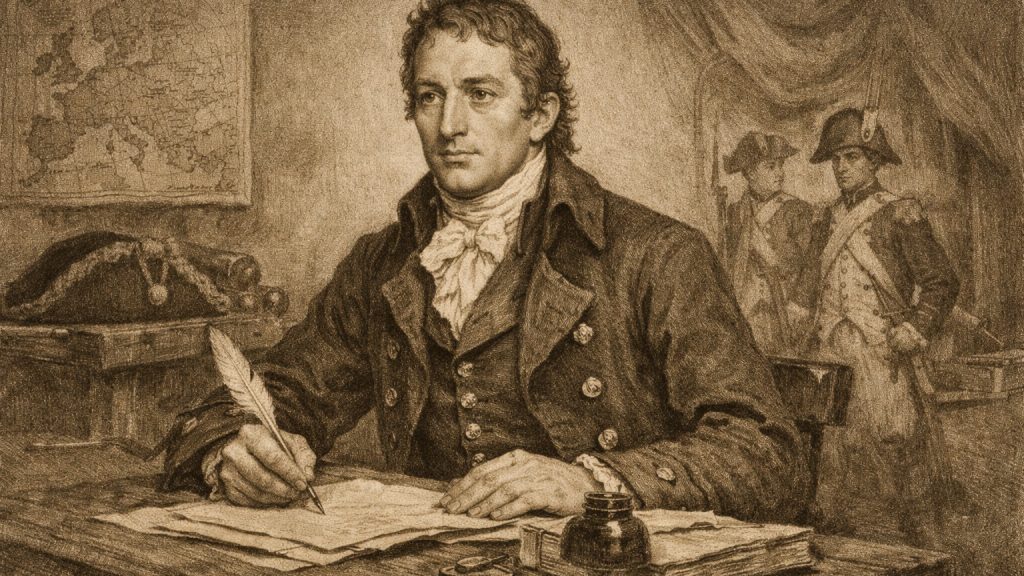
Theobald Wolfe Tone was born on 20 June 1763 in 27 St Bride’s Street, just behind Dublin Castle. His family soon moved to 44 Stafford Street, now Wolfe Tone Street, where he spent his childhood. He came from a modest, middle-class Protestant family and was the eldest of sixteen children. Tone studied law at Trinity College, Dublin, and after graduating in 1786 he turned his attention to politics. In October 1791 he helped found the Society of the United Irishmen with Thomas Russell, Napper Tandy and others, and he helped pen its declaration calling for equal representation of all the people in Parliament.
Dateline
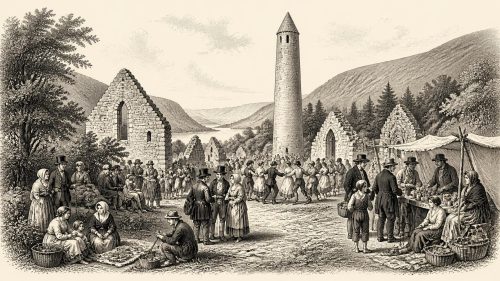
Theobald Wolfe Tone was born on 20 June 1763 in 27 St Bride’s Street, just behind Dublin Castle. His family soon moved to 44 Stafford Street, now Wolfe Tone Street, where he spent his childhood. He came from a modest, middle-class Protestant family and was the eldest of sixteen children.
Education Law
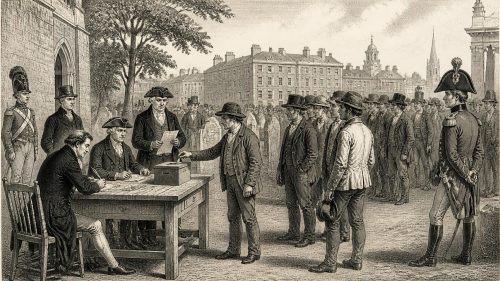
Tone studied law at Trinity College, Dublin, and after graduating in 1786 he turned his attention to politics. In October 1791 he helped found the Society of the United Irishmen with Thomas Russell, Napper Tandy and others, and he helped pen its declaration calling for equal representation of all the people in Parliament.
Political Exile
He denounced the Catholic relief offered by the British government as partial and illusory. He was permitted political exile in America in 1795 and was sent to France the following year, where he joined the army. His secret negotiations with the French led to his return to Ireland with a French invasion force.
Final Trial
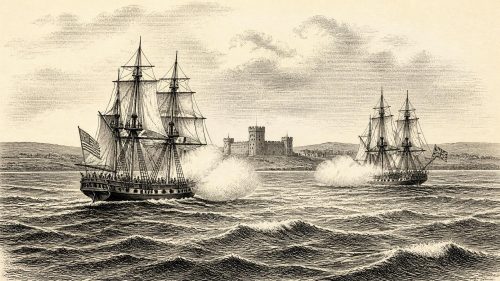
Tone was captured by British forces at Lough Swilly in Donegal and tried for treason for his involvement in the 1798 Irish Rebellion. At trial, he acknowledged the facts as claimed by the prosecution but objected to the word traitor. He asked to be shot rather than hanged, but was sentenced to die the death of a traitor in two days’ time. He died on 19 November 1798 and was buried in Bodenstown graveyard, County Kildare, on 21 November 1798.
Written Record
One of his texts is titled An Argument on Behalf of the Catholics of Ireland. His diary and related writings have also been described as minutely detailed and, for much of them, verifiable.
Source References
Hover over a number to see the source. Select it to open the source.