304th Century Ireland BCE

Archived: 4 October 2026
Abstract
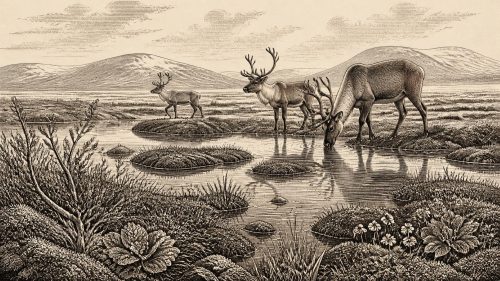
About 30,301 BCE, Ireland lay within a fluctuating Late Pleistocene cold stage, not a datable historical moment. At Derryvree, County Fermanagh, organic freshwater sediments between glacial tills record an ice-free interval broadly dated to 36,900–31,700 years ago. Mosses, sedges, aquatic plants and Arctic-alpine shrubs indicate wet, treeless tundra, later overridden by advancing ice. Castlepook Cave, County Cork, preserves a disturbed, multi-period fauna including reindeer, giant deer, mammoth, predators and scavengers, demonstrating varied habitats. Neither site proves human settlement: possible modified bone is inconclusive, while firm human evidence is far later. These deposits reveal ecological persistence, diversity and expanding ice-sheet conditions.
Read Article
Archived: 4 October 2026
Abstract
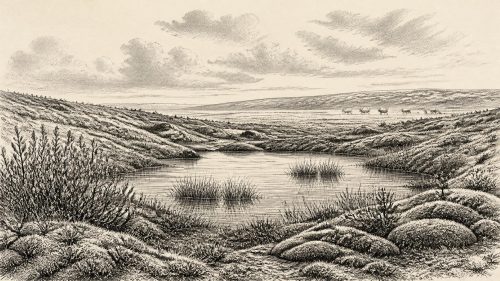
30,302 BCE is best understood as a broad later Pleistocene horizon, not a recoverable historical year. At Derryvree, County Fermanagh, freshwater organic beds between glacial tills preserve tundra wetland plants, including three-leaved bogbean, indicating an ice-free, treeless but biologically active interval. Castlepook Cave, County Cork, contains mixed Marine Isotope Stage 3 fauna, including mammoth, reindeer, hyaena and giant deer, demonstrating varied open habitats. These records reflect unstable pre-Last Glacial Maximum conditions and dynamic ice margins. A cut-marked reindeer bone may indicate fleeting human activity, but no settlement, tools or organised society is securely evidenced. Ireland’s record remains fragmentary and ecological.
Read Article
Archived: 4 October 2026
Abstract
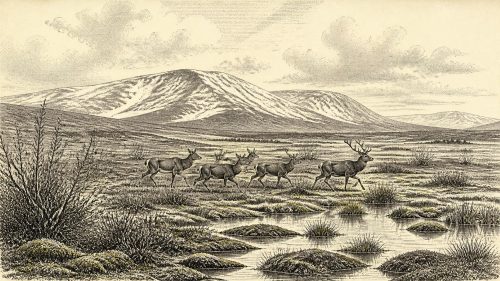
Around 30,303 BCE, Ireland lay within the unstable cold conditions of Marine Isotope Stage 3, as the British–Irish Ice Sheet expanded unevenly. At Derryvree in County Fermanagh, freshwater silts beneath glacial till preserve evidence of tundra vegetation, shallow water and periglacial conditions during an ice-free or ice-distal interval. Castlepook Cave in County Cork yielded fragmented remains of cold-stage fauna, including mammoth, reindeer and predators, demonstrating ecological links with Britain and continental Europe. No securely excavated evidence establishes human settlement at this date; a possibly butchered reindeer bone remains unconfirmed. These exceptional records support a cautious environmental rather than social reconstruction.
Read Article
Archived: 4 October 2026
Abstract
Around 30,304 BCE, Ireland was in the unstable Late Pleistocene build-up to the last major glaciation, rather than a documented historical era. Radiocarbon-dated red deer bones from Waterford caves show that suitable habitats existed around 32,000 years ago, although they prove neither permanent herds nor human hunting. Fermanagh sediments indicate patchy, treeless tundra wetlands supporting diverse vegetation. Cork cave faunas reveal reindeer, mammoth, predators and other animals across the wider period. Ice growth, fluctuating coastlines and later erosion obscure evidence. A possibly cut-marked reindeer bone suggests brief human activity, but no secure settlement, tools, institutions or culture can be established.
Read Article

Archived: 4 October 2026
Abstract
Around 30,305 BCE, Ireland cannot be described through precise events, but Derryvree sediments near Maguiresbridge, County Fermanagh, illuminate a cold interval between glacial advances. Freshwater sands, silts and organic mud, enclosed by tills, indicate an ice-free wetland with sedges, shallow water, open tundra vegetation and severe periglacial conditions. Cave faunas elsewhere show that cold-stage Ireland intermittently supported reindeer and other mammals, although deposits are not contemporaneous snapshots. A possibly cut-marked reindeer bone suggests early human activity, but confirms neither settlement nor population. No political, economic or cultural institutions are evidenced. Ice, meltwater and frost shaped the changing landscape before glaciation.
Read Article

Archived: 4 October 2026
Abstract
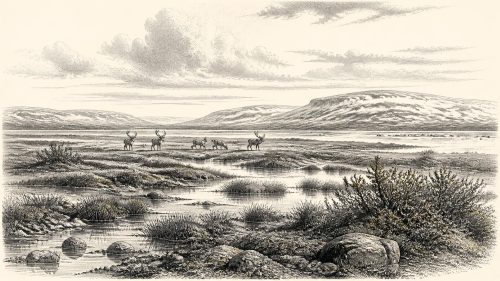
At 30,306 BCE, Ireland lay within the unstable cold conditions of Marine Isotope Stage 3, before the Last Glacial Maximum. Derryvree, County Fermanagh, preserves freshwater sediments between two glacial tills, dated broadly to 36,900–31,700 calibrated years BP. Plants and insects indicate an ice-free, treeless tundra wetland with pools, sedges, mosses and arctic-alpine vegetation. Castlepook Cave, County Cork, records diverse Pleistocene fauna, including mammoth, reindeer and predators, but its bones span different periods. A cut-marked reindeer bone may suggest Upper Palaeolithic human activity, yet no contemporary camps, tools or human remains confirm settlement. It documents environmental change before ice returned again.
Read Article
Archived: 4 October 2026
Abstract
Around 30,307 BCE, Ireland’s history is reconstructed from deposits, fauna and ice rather than recorded events. Derryvree, County Fermanagh, preserves freshwater organic sediments between glacial tills, dated broadly to this interval. Its plants, insects and aquatic remains indicate a cold, treeless mosaic of sedges, mosses, pools and exposed ground during a local ice-free phase. Growing British–Irish ice sheets created unstable, regionally varied conditions. Castlepook Cave, County Cork, contains remains of mammoth, reindeer, giant deer and predators, showing intermittent animal occupation. A marked reindeer bone may indicate human processing, but does not prove settlement. Later glaciation destroyed or buried much evidence.
Read Article

Archived: 4 October 2026
Abstract
The label 30,308 BCE cannot identify a recoverable Irish year, but lies within a broad late Marine Isotope Stage 3 interval. At Derryvree, County Fermanagh, freshwater organic sediments between glacial tills, dated BIRM-166, record a cold, open tundra-like wetland during temporary local ice retreat. Subsequent ice buried this landscape, while other sites demonstrate episodic glaciation and climatic variation. Castlepook Cave, County Cork, preserves mixed remains of mammoth, giant deer, reindeer, predators and other cold-adapted fauna. A possibly tool-marked reindeer bone may indicate a brief human visit, but proves neither settlement nor economy. Ireland’s evidence remains environmental, fragmentary, and chronologically uncertain.
Read Article
Archived: 4 October 2026
Abstract
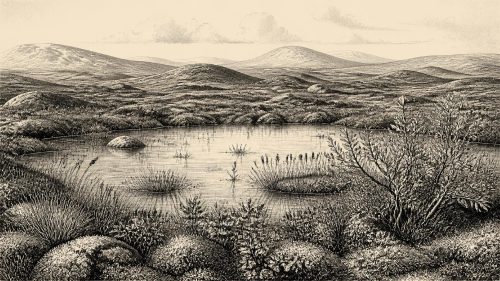
30,309 BCE is not a recoverable Irish historical year but falls within a broadly dated Late Pleistocene interval. At Derryvree, County Fermanagh, roadworks exposed freshwater silts and organic mud between two glacial tills, proving a locally ice-free periglacial phase before renewed glaciation. Fossils of bogbean, water-milfoil, mosses, sedges and cold-adapted plants indicate treeless wetlands amid open, seasonal tundra. Castlepook Cave’s mixed fauna demonstrates intermittent access by Ice Age mammals, while a possibly butchered reindeer bone remains inconclusive evidence of humans. No settlement, polity or annual events can be established. Derryvree preserves fragile environmental evidence of freshwater life during climatic instability.
Read Article
Archived: 4 October 2026
Abstract
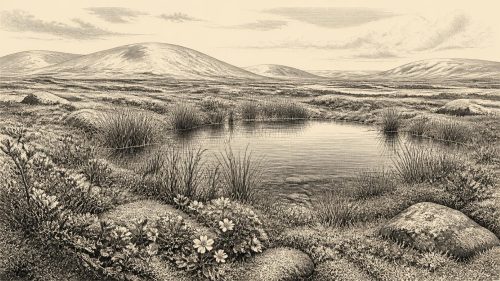
30,310 BCE is a label within a MIS 3 chronological range, not a recoverable Irish year. At Derryvree, County Fermanagh, freshwater silts between glacial tills record an ice-free interval before ice burial. Radiocarbon evidence broadly places these deposits within the horizon. Plant remains indicate a cold, open, treeless periglacial landscape of shallow water, mosses, sedges and tundra vegetation. Cave records elsewhere preserve Late Pleistocene fauna, although their dates and contexts differ. Possible butchery marks suggest intermittent human visitation, not settlement. No evidence supports polities, trade or events. Derryvree preserves a fleeting, biologically active freshwater landscape before expanding glaciers reshaped Ireland.
Read Article
Loading more articles…

