314th Century Ireland BCE
Archived: 18 September 2026
Abstract
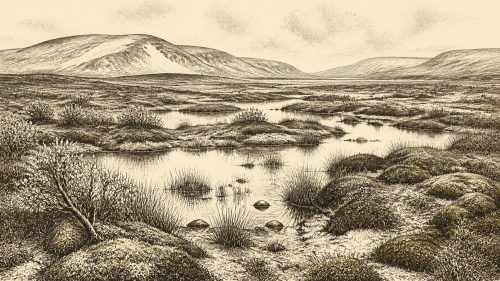
31,301 BCE is a modern label within MIS 3, not a recoverable Irish year. Derryvree, County Fermanagh, provides evidence: organic freshwater sediments between tills, dated by BIRM-166 to 36,900–31,700 calibrated BP, record an ice-free interval before glaciation. Tundra wetlands supported cold-adapted plants and insects. Castlepook Cave, County Cork, preserves MIS 3 fauna including mammoth, giant deer, reindeer and hyaena, indicating varied open habitats. A possibly cut-marked reindeer bone suggests, but does not establish, human presence. No settlement, institutions, ritual, agriculture or continuous occupation is evidenced. The period is best understood through uncertain ranges, changing ice margins, ecosystems and transient visitors.
Read Article

Archived: 18 September 2026
Abstract
About 31,302 BCE, Ireland lay within the climatically unstable later Marine Isotope Stage 3, not a datable historical year. At Derryvree, Fermanagh, freshwater organic sediments between glacial tills preserve tundra wetland plants and cold-adapted insects, demonstrating life during an interval between ice advances. Crag Cave records intermittent milder conditions, while Castlepook Cave documents mammoths, giant deer, reindeer, predators and other open-country fauna over millennia. A cut-marked reindeer femur may indicate an early human visit, but proves neither settlement nor permanent population. Changing sea levels and expanding ice complicated access. Soon advancing British-Irish ice would transform and largely engulf the island.
Read Article
Archived: 18 September 2026
Abstract
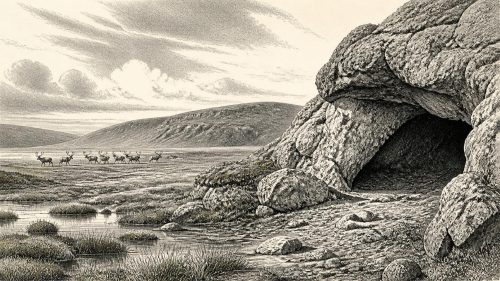
Around 31,303 BCE, Ireland experienced fluctuating Ice Age conditions during Marine Isotope Stage 3, not a precisely observable calendar year. Derryvree, County Fermanagh, preserves freshwater sediments formed between glacial advances, revealing treeless tundra, marshes, cold-adapted plants and seasonal freshwater habitats. Castlepook Cave, County Cork, contains a long, mixed bone archive of mammoth, giant deer, reindeer, brown bear and spotted hyaena, demonstrating intermittent access for cold-stage fauna. A marked reindeer femur may indicate brief human carcass processing with a stone tool, but cannot prove settlement. Evidence shows changing ice margins and productive open landscapes, not permanent communities, polities or cultural institutions.
Read Article
Archived: 18 September 2026
Abstract
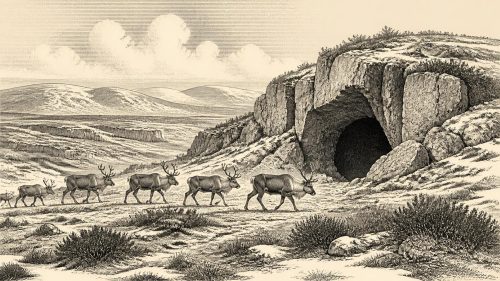
31,304 BCE is a retrospective label for a Late Pleistocene, MIS 3 period, not a recoverable Irish year. Castlepook Cave, County Cork, preserves a valuable but disturbed pre-Last Glacial Maximum fauna, including reindeer, mammoth, giant deer, carnivores, hares and lemmings, indicating cold, open, variable habitats and wider ecological connections. Revised radiocarbon dating places key animals earlier than initial results suggested, without establishing an event in that year. A marked reindeer femur may indicate Upper Palaeolithic butchery, yet mixed deposits and absent associated artefacts preclude claims of settlement. Ireland's ice extent, routes and human presence remain uncertain; environmental change defined life.
Read Article
Archived: 18 September 2026
Abstract
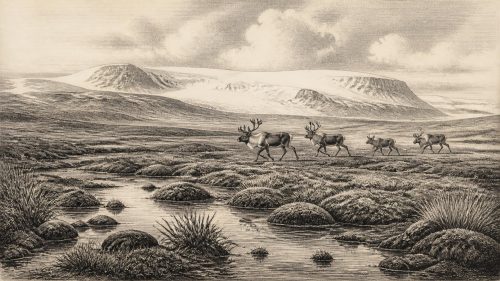
Circa 31,305 BCE, Ireland lay within the unstable, cold later MIS 3, not a recoverable historical year. Derryvree in Fermanagh preserves freshwater and organic sediments between glacial tills, indicating locally ice-free, tundra-like wetlands during a broadly dated interval. Castlepook Cave in Cork yielded diverse Ice Age fauna, including mammoth, reindeer and predators, accumulated over many episodes. A marked reindeer femur may record butchery by Upper Palaeolithic people, potentially Ireland's earliest human trace, but lacks secure context and precise dating. Evidence supports at most brief visits, not permanent settlement, trade, or later cultural identities, amid changing ice, water and sparse ecosystems.
Read Article
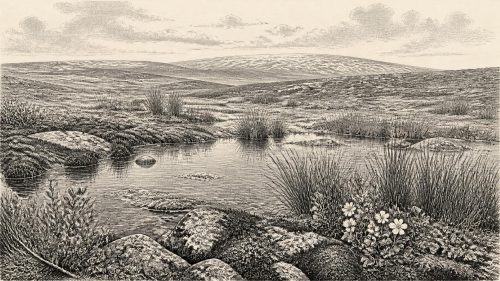
Archived: 18 September 2026
Abstract
About 31,306 BCE, Ireland lay within the climatically unstable Late Pleistocene, although no precise event can be dated to that year. At Derryvree, County Fermanagh, freshwater silts between glacial tills, radiocarbon-dated broadly to 34,950–29,750 BCE, preserve a temporary periglacial wetland. Bogbean, mosses, sedges, grasses, juniper, insects and other fossils indicate open, treeless tundra-like ground with pools and seasonal thaw. Castlepook Cave, County Cork, records cold-stage mammals, including mammoth, giant deer, reindeer and hyaena, across a long timespan. No secure human settlement is known; a possible cut-marked bone remains uncertain. Advancing ice later overwhelmed such local ecosystems, preceding the glacial maximum.
Read Article
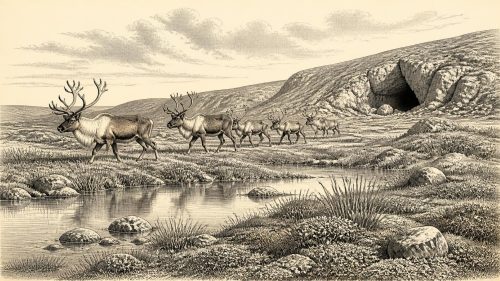
Archived: 18 September 2026
Abstract
Around 33,300 calibrated years ago, Ireland lay within the climatically unstable MIS 3 Ice Age. Derryvree sediments in Fermanagh indicate treeless tundra-like wetlands and freshwater during an interval before renewed glaciation, while Crag Cave calcite records episodically milder conditions. Although severe, this period preceded island-wide coverage by the later British–Irish Ice Sheet. Castlepook Cave in County Cork preserved reindeer, mammoth, giant deer, carnivores and cold-adapted small mammals, revealing open tundra-steppe habitats. A reindeer femur bearing a possible stone-tool cut-mark may represent Ireland’s earliest human trace, but cannot prove permanent occupation. Evidence remains fragmentary, range-based and vulnerable to later glacial disturbance.
Read Article
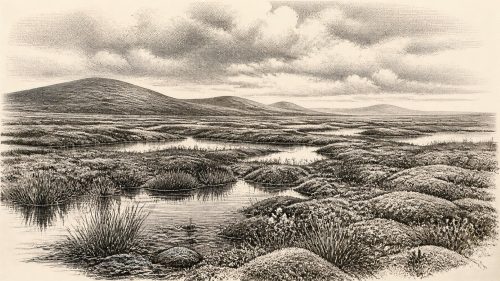
Archived: 18 September 2026
Abstract
At the notional date 31,308 BCE, Ireland’s past is reconstructed from sediments and fossils rather than historical records. Derryvree, County Fermanagh, preserves an ice-free interval between glacial advances, dated broadly to 36,900–31,700 calibrated years before present. Its freshwater deposits indicate open tundra, wetland plants, seasonal growth and severe periglacial conditions. Castlepook Cave, County Cork, contains mixed remains of mammoth, giant deer, reindeer, predators and other cold-stage fauna, demonstrating repeated animal access. A marked reindeer femur, dated about 33,000 years ago, may indicate human butchery, yet lacks secure context. Ireland was a climatically shifting habitat, not a society or settled nation.
Read Article

Archived: 18 September 2026
Abstract
Around 31,309 BCE, Ireland experienced unstable Late Pleistocene conditions during Marine Isotope Stage 3, not a precisely recoverable historical year. Derryvree, County Fermanagh, preserves freshwater sediments between glacial tills, indicating a treeless, waterlogged tundra-like landscape during an ice-free interval. Castlepook Cave, County Cork, contains pre-Last Glacial Maximum remains of reindeer, mammoth, giant deer, bear and spotted hyaena, demonstrating connections with wider European fauna. Possible stone-tool damage on a reindeer bone suggests, but does not establish, human presence. No settlement, culture or economy can be identified. Later glaciation, erosion and sea-level rise severely fragmented Ireland’s deep-time archaeological record in many places.
Read Article
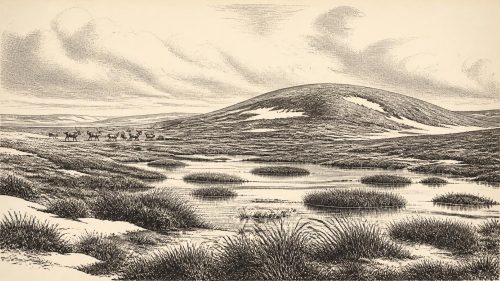
Archived: 18 September 2026
Abstract
Around 31,310 BCE, Ireland’s history is reconstructed from environmental evidence rather than written records. Derryvree in County Fermanagh preserves freshwater sediments between glacial tills, indicating a cold, treeless tundra wetland during part of MIS 3, when local ice retreated before returning. Its radiocarbon date spans a broad calibrated interval encompassing the notional year, not a precise event. Castlepook Cave in Cork records diverse cold-stage fauna, including reindeer, mammoth and hyaena, accumulated over time. A possibly butchered reindeer bone suggests human activity, but not settlement. Uneven ice-sheet growth, changing sea levels and limited evidence preclude island-wide conclusions about conditions or occupation.
Read Article
Loading more articles…

