Shannon Resistance
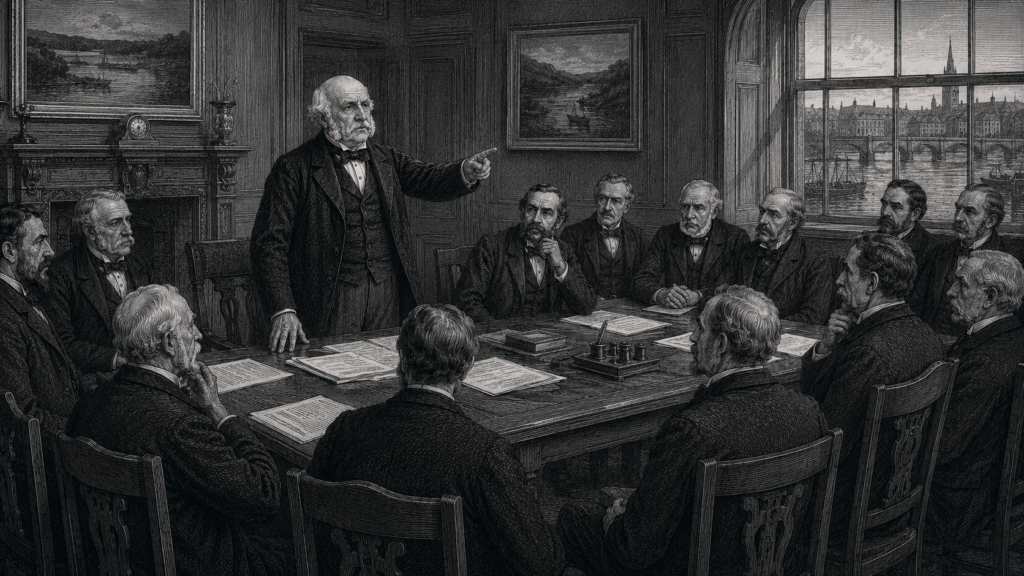
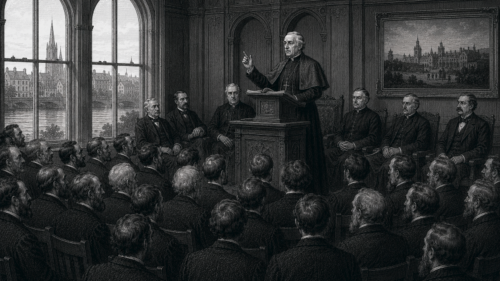
At the opening of the twentieth century, Limerick’s fishery interests faced a proposal they believed could transform the River Shannon at enormous local cost. The Limerick Fishery Conservators, presided over by Lord Massy, met to consider the Shannon Water and Electric Power Company’s plan to secure parliamentary authority for works near Lough Derg and Clonlara. The promoters argued that Shannon water could be diverted through engineered channels to generate electricity for Limerick and surrounding districts. The Conservators unanimously resolved to oppose the measure, regarding it as a direct threat to the river upon which fisheries, navigation and established livelihoods depended.
Members rejected the suggestion that the proposed bill represented harmless industrial modernisation. They feared that lowering Lough Derg and diverting water away from the natural Shannon channel could obstruct boats, interfere with quays, reduce power available to riverside mills and damage commercial traffic. Salmon fishing caused particular anxiety. If altered water levels prevented fish from entering tributaries and reaching their spawning grounds, the effects might extend across future seasons rather than remain confined to the construction period. The Conservators therefore treated the scheme as a possible attack upon the river’s ecological and economic system rather than a single engineering project.
Limerick’s water supply gave the controversy an urgent public dimension. The city depended upon the Shannon system, and any substantial change in flow raised fears about the reliability of water reaching households, hospitals, institutions and businesses. Opponents described the proposed legislation as benefiting a small group of company promoters while transferring the risks to fishermen, mill owners, traders, ratepayers and the wider population. Their criticism did not deny that electricity could support industrial growth. It questioned whether one form of progress should be permitted to weaken several existing public and commercial services upon which Limerick already relied.
The Conservators believed that Parliament might reject a bill threatening navigation, fisheries and municipal water, but they also recognised that opposition would be expensive. Parliamentary bills required legal representation, technical witnesses, engineering evidence and organised cooperation among affected interests. The board therefore sought support from fishery owners, riparian proprietors, millers, local authorities and commercial bodies throughout the Shannon region. The struggle would not be won through indignation alone. Those resisting the company needed to demonstrate how the proposed works could alter river levels, obstruct traditional uses and impose losses that the promised supply of electricity might never adequately compensate.
The dispute forced Limerick to confront a question that would recur throughout the modern age: whether technological development could be trusted when its benefits were promoted more confidently than its risks were explained. Electricity offered civic lighting, industrial power and commercial expansion, yet the Shannon already supported fishing, milling, navigation, trade and public water. The Conservators’ unanimous resolution did not prevent further inquiries or parliamentary consideration, but it ensured that the company would face organised resistance. Their stand established that the river could not be treated merely as unused energy waiting to be captured without accounting for the people and industries already sustained by it.
- Irish Times, “Shannon Water and Electric Power Company,” 2 January 1900, p. 7.
- Irish Times, “Limerick Fishery Conservators: The Shannon Water and Electric Power Bill,” 5 January 1900, p. 3.
- Limerick Fishery Board of Conservators Collection, IE LA P48, Limerick Archives.
- House of Lords Debates, “Shannon Water and Electric Power Bill,” 23 July 1900, vol. 86.
- House of Lords Debates, “Irish Fisheries—Inspectors’ Reports,” 23 July 1900, vol. 86.
- Shannon Water and Electric Power Act 1901, 1 Edw. 7, c. cxxxvi, royal assent 26 July 1901.