Archived: 26 September 2026
Abstract
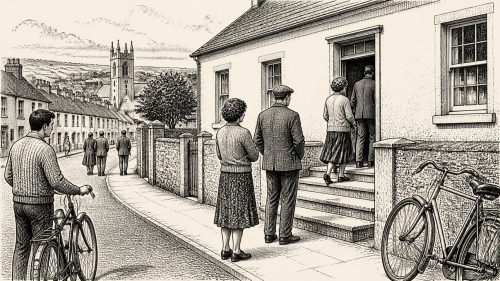
In 1986, Ireland faced economic hardship, social change and intensified Northern conflict. Garret FitzGerald’s coalition confronted debt, unemployment and emigration, while legislation addressed poverty, welfare and public archives. Voters decisively rejected a constitutional amendment permitting limited divorce, though separation and marital breakdown remained prominent realities. The census recorded 3,540,643 people; Self-Aid highlighted mass unemployment, and Knock airport symbolised regional aspiration. Chernobyl contamination fears and the Russborough art theft caused concern. The Anglo-Irish Agreement provoked unionist resistance, culminating in Peter Robinson’s loyalist incursion into Clontibret. Sinn Féin ended Dáil abstention, prompting a republican split, revealing deep enduring strains across Irish society.
Read Article
Archived: 26 September 2026
Abstract
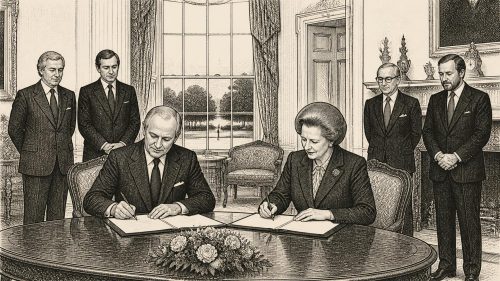
In 1985, the Anglo-Irish Agreement, signed by Garret FitzGerald and Margaret Thatcher at Hillsborough, created a permanent consultative role for Dublin in Northern Ireland affairs while confirming majority consent for constitutional change. It offered constitutional nationalists progress but provoked unionist protest and Fianna Fáil opposition. Violence continued, including major IRA attacks and the killing of a Garda officer. Sinn Féin advanced electorally and revised its Dáil abstention policy. The Republic faced severe unemployment and emigration, alongside the Progressive Democrats’ foundation and liberalised contraception law. Religious controversy, theatre, U2’s Croke Park concert and Cork 800 reflected changing national identities amid hardship.
Read Article
Archived: 26 September 2026
Abstract
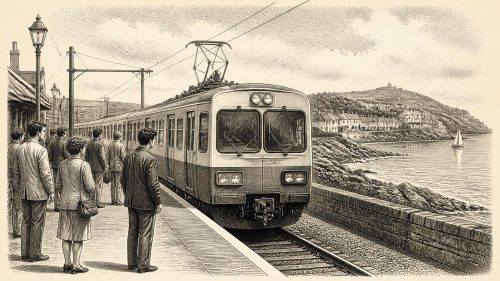
In 1984, recession, unemployment and industrial closures, including Ford Cork and Irish Shipping, shaped Irish life, while DART and the East-Link bridge improved Dublin transport. The New Ireland Forum developed a shared nationalist approach to Northern Ireland, although Thatcher rejected its options and violence continued, notably the Brighton bombing and supergrass case collapses. Reagan’s visit prompted both celebration and protest. Ann Lovett’s death in Granard and the Kerry babies investigation exposed harsh attitudes and institutional failings affecting unmarried pregnant women. Dunnes Stores workers began an anti-apartheid strike, while the GAA centenary provided a significant cultural celebration in Thurles that year.
Read Article
Archived: 26 September 2026
Abstract
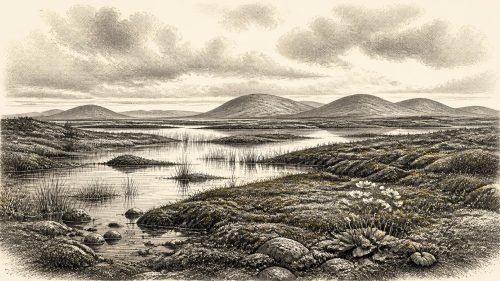
Around 30,623 BCE, Ireland’s history can be reconstructed through environmental evidence, not yearly events. Derryvree, County Fermanagh, preserves a freshwater deposit between glacial tills, dated broadly to this period, indicating an ice-free periglacial wetland with bogbean, sedges, mosses and cold-adapted plants. Castlepook Cave in County Cork contains time-mixed remains of mammoth, reindeer, giant deer, predators and smaller fauna, demonstrating open habitats across intervals. A possibly cut-marked reindeer bone may signal human activity, but proves neither settlement nor continuity. Evidence supports no claims about communities, politics, farming, culture or identity. Changing ice, sea levels and landscapes defined this Late Pleistocene world.
Read Article

Archived: 26 September 2026
Abstract
30,624 BCE is not a datable Irish event but falls broadly within Marine Isotope Stage 3. At Derryvree, County Fermanagh, organic freshwater sediments between glacial tills indicate an ice-free interval around 31,700–36,900 calibrated years ago. Fossils reveal cold, treeless tundra-muskeg wetlands with Arctic-alpine plants, insects and seasonal productivity, before later ice advanced. Southern Irish caves preserve time-averaged remains of reindeer, mammoth, giant deer, predators and other cold-adapted fauna, showing intermittent ecological connectivity with north-west Europe. A possible early human cut mark remains uncertain; no secure habitation evidence exists. The record documents changing Pleistocene environments, not precise events, societies or politics.
Read Article
Archived: 26 September 2026
Abstract
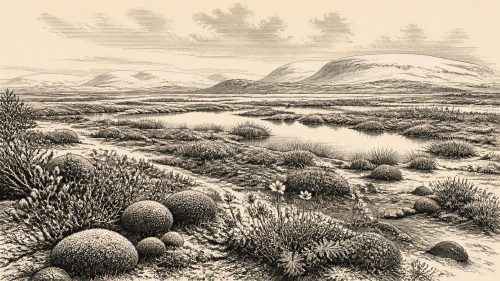
At 30,625 BCE, Ireland lay within the climatically unstable Marine Isotope Stage 3. Derryvree in County Fermanagh preserves freshwater sediments deposited during an ice-free interval, later sealed by glacial deposits. Pollen, plants, mosses and insects indicate a cold, treeless, periglacial wetland with sedges, pools and Arctic-alpine vegetation. Its broad radiocarbon range encompasses the nominated date but cannot identify a specific year or climate event. Ireland’s variable ice margins and North Atlantic climate permitted temporary ecological opportunities before major glaciation. Cave fauna document cold-stage mammals, while a possibly butchered reindeer bone suggests, but does not prove, fleeting human presence or settlement.
Read Article
Archived: 26 September 2026
Abstract
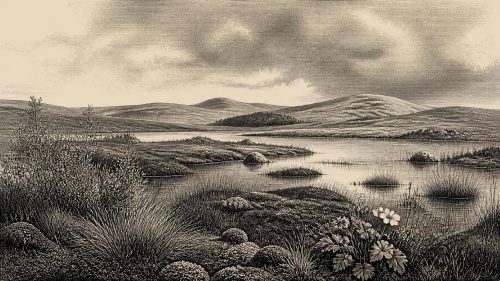
Around 30,626 BCE, Ireland has no recoverable annual history; evidence records fluctuating Late Pleistocene environments. At Derryvree, County Fermanagh, freshwater sediments between glacial tills indicate a local ice-free interval, dated broadly to 34,950–29,750 BCE, with tundra and wetland plants in a cold, open mosaic landscape. Ice margins, drainage and sea levels changed, preventing island-wide reconstructions. Castlepook Cave, County Cork, preserves MIS 3 fauna including mammoth, reindeer, giant deer and predators, but not a momentary census. Human presence remains unproven, despite a possible cut-marked bone. No settlements, institutions or cultural traditions can be assigned; fragile deposits instead reveal dynamic glacial environments.
Read Article

Archived: 26 September 2026
Abstract
Although 30,627 BCE cannot identify a specific Irish event, Derryvree near Maguiresbridge, County Fermanagh, provides an ecological record broadly spanning this period. Freshwater organic sediments, trapped between glacial tills, preserve pollen, plants, mosses and insects from a cold, treeless periglacial wetland. Sedges, aquatic species, dwarf willow and arctic-alpine herbs indicate shallow water and open tundra-like ground. Cave remains, especially at Castlepook, demonstrate diverse Pleistocene fauna, including reindeer, mammoth and predators, though assemblages span long periods. A possibly cut-marked reindeer bone suggests human activity, but no secure settlement evidence exists. Later glaciation subsequently obscured or destroyed much contemporary landscape evidence there.
Read Article
Archived: 26 September 2026
Abstract
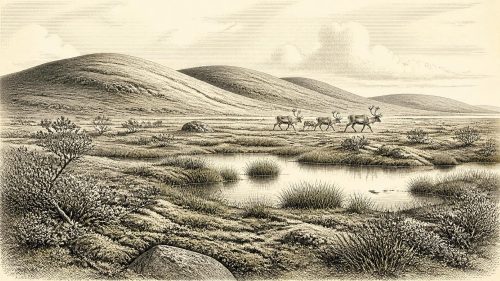
30,628 BCE is a modern label, not a dateable Irish event. Derryvree, County Fermanagh, preserves freshwater organic silts between tills, radiocarbon dated within a broad MIS 3 interval encompassing this nominal year. They demonstrate a locally ice-free, treeless tundra wetland before renewed glaciation, rather than island-wide conditions. Castlepook Cave, County Cork, yielded an accumulated Ice-Age fauna, including mammoth, reindeer, hyaena and cold-adapted mammals, evidencing open habitats and intermittent external connections. A reindeer femur possibly cut by a stone tool may represent Upper Palaeolithic carcass processing, but proves neither settlement nor continuous occupation. Political, social and economic history remains largely unknowable.
Read Article

Archived: 26 September 2026
Abstract
Around 30,629 BCE, Ireland lay within the unstable Late Pleistocene Midlandian cold stage. Derryvree, near Maguiresbridge, preserves freshwater sediments between glacial tills, showing an ice-free interval with tundra vegetation, wetlands and severe periglacial conditions. Fossils of bogbean, dwarf willow and mountain avens indicate open, treeless habitats rather than woodland. Cave deposits at Castlepook demonstrate that reindeer, mammoth, giant deer and predators occurred in Ireland at different times during this wider period, though not necessarily together. A cut-marked reindeer bone may suggest early human visitation, but remains unconfirmed. Later expansion of the British–Irish Ice Sheet transformed and buried many earlier landscapes.
Read Article
