Archived: 21 October 2026
Abstract
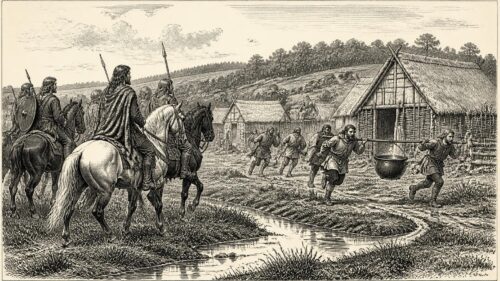
In 1406, Ireland’s fragmented political order was shaped by disease, warfare, ritual and succession. Plague killed several Leinster men eligible for lordship, potentially affecting dynastic calculations. In Offaly, Murchadh Ó Conchobhair Fáilghe defeated a mixed Meath, Connacht and mercenary force at Cluain Immorrais, inflicting heavy losses and capturing the prestigious Buacach Phádraig relic. In Connacht, Toirdhealbhach Óg Ó Conchobhair Donn, joint king for twenty-two years, was killed by rivals and Burke allies, prompting Cathal Ó Conchobhair Donn’s inauguration at Carnfree around year’s end. Dublin retained limited military and civic capacity, while elite deaths and monastic burials underscored lordship’s religious networks.
Read Article
Archived: 23 October 2026
Abstract
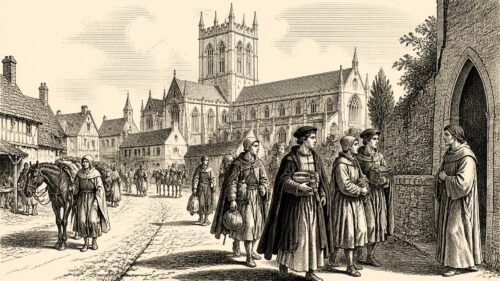
In 1358, Edward III protected masters, scholars and clerks travelling to Dublin, reinforcing the university associated with St Patrick’s Cathedral. The petition exposed poverty, hazardous sea crossings and inadequate educational resources. Annals recorded fragmented politics: Áed Ó Néill defeated Airgialla and Fermanagh forces; Ó Mórdha overcame men identified with Dublin in Leinster; and Clann Cathmhaoil killed Manus Maguire. Bishop Brian Mac Cathmhaoil and Gaelic rulers also died. A Carbury hailstorm illustrated environmental uncertainty, while disease reports cannot be precisely dated. Together, these events reveal contested authority alongside continuing learning, religious institutions, warfare and local seasonal vulnerability across late medieval Ireland.
Read Article
Archived: 23 October 2026
Abstract
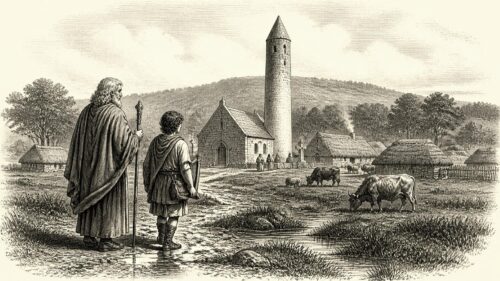
In 1357, Ireland’s surviving records reveal overlapping worlds rather than national unity. Art Mór Mac Murchadha Caomhánach was born amid unstable Leinster alliances linking Gaelic rulers, settler lordships and Dublin government. Royal administration issued commissions and relied on magnates, notably Maurice FitzGerald, Earl of Kildare, whose military resources supported authority. Annals record deaths of rulers, an earl drowned during a crossing, executions, killings and a peace, illustrating contested lordship. They also commemorate scholars, clerics and musicians. An English chronicler reported renewed pestilence devastating Gaelic communities, though its scale remains uncertain. Ireland combined political fragmentation, cultural networks, negotiation, violence and mortality.
Read Article
Archived: 23 October 2026
Abstract
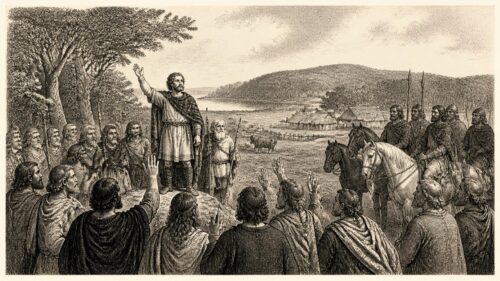
In 1350, plague remained active in Ireland, evidenced by legal notes, vacant Kilkenny holdings and deaths linked cautiously to pestilence, while its impact varied regionally. Connacht underwent a major coup when Sir Edmund Albanach de Burgh, Macwilliam Burke, and leading communities deposed Aed Ó Conchobair and installed another dynastic claimant. Killings and reprisals in Connacht, Moylurg, Breifne and Thomond exposed violent struggles over lordship, land and cattle. English administration nevertheless continued: Justiciar Thomas Rokeby held a Kilkenny council, raised taxation and negotiated service. Chancery, inheritance inquiries, religious leadership and learned culture endured amid demographic loss, insecurity and contested power locally.
Read Article
Archived: 23 October 2026
Abstract
During 1349, a pestilence remembered as the Black Death became an all-Ireland crisis, although its arrival and mortality cannot be dated or quantified precisely. John Clyn recorded contagion, deaths among clergy and households, pressure on burial and care, and costly imported goods in Kilkenny. Connacht annals reported heavy losses in Moylurg, while warfare, raiding and contested lordship continued across Connacht and elsewhere. Ecclesiastical vacancies exposed institutional vulnerability, though individual causes of death remain uncertain. Clyn's final entries, ending amid violence and epidemic fear, symbolise the fragility of record-keeping. The year strained trade, worship, families and political authority without halting conflict.
Read Article

Archived: 23 October 2026
Abstract
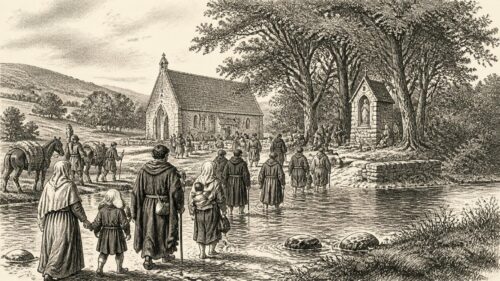
In 1348, pestilence reached Ireland by sea, devastating Dublin and Drogheda from late summer, though its extent elsewhere remains uncertain. John Clyn recorded a fearful pilgrimage by clergy, magnates and ordinary people to St Moling’s water at Taughmoling, seeking spiritual protection amid mass mortality. Meanwhile, Fulk de la Frêne fortified and coerced Ormond tenants around Nenagh, before James Butler received the earldom. Bishop Richard of Ossory gained independence from Dublin’s archbishop. In Connacht, killings, captures and war between kindreds ravaged Moylurg, while learned poets still travelled for patronage. The year combined disease, warfare, lordship, worship and cultural continuity under strain.
Read Article
Archived: 23 October 2026
Abstract
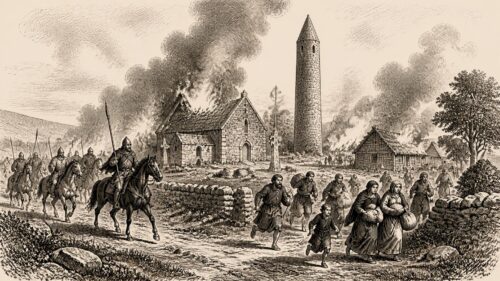
In 1346, Ireland experienced political instability, warfare and dearth following the death of Sir Ralph Ufford, the royal justiciar. Gaelic and settler forces contested Leinster, capturing castles, raiding communities and damaging churches. On 5 May, Diarmaid Mac Giolla Phádraig and an Ó Cearbhaill ally burned Aghaboe, including its church, cemetery and St Canice’s shrine, a religious and communal loss. Wheat prices reflected scarcity, worsened by conflict. Walter de Bermingham became justiciar in May but violence continued, including northern defeats, killings and winter raids. John Clyn’s annals document events, while evidence does not place the Black Death in Ireland before 1348–49.
Read Article





