Archived: 21 October 2026
Abstract
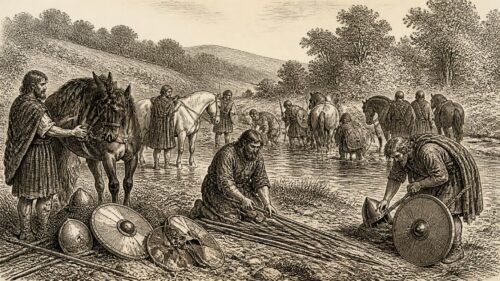
In 1404, Ireland remained politically fragmented between the English lordship, Anglo-Irish magnates and Gaelic rulers. At Blackford in Laigis, Gilla Pátraic Ó Mórdha defeated forces identified as English, capturing horses, weapons and armour. Connacht saw Mac Diarmata succession struggles, regional deaths and warfare, while Domnall Ó Néill claimed Ulster’s kingship amid continuing rivalry. Bishop Tomás Barrett died, Nicholas Fleming was appointed to Armagh, and widespread lectual sickness was reported. Maritime conflict occurred in Munster. The deaths of several ollamhs, or learned masters, highlighted the vulnerability of hereditary cultural institutions. Annals also record household figures, local violence and uncertain chronology throughout.
Read Article

Archived: 26 September 2026
Abstract
In 1221, Ireland remained divided among Gaelic rulers, Anglo-Norman lords, royal officers and church institutions. Geoffrey de Marisco was removed as justiciar amid concerns over revenues, and Archbishop Henry of London returned to office, strengthening crown oversight from Dublin. Marisco nevertheless led a destructive expedition into Desmond, ruining crops and building a castle at Mag Rátha. Papal legate James visited, addressing ecclesiastical affairs and prompting resentment over clerical payments. In Connacht, Diarmait Ua Conchobair’s seaborne bid for kingship ended in his death, exposing succession tensions. The death of scholar Diarmait Ua Cú Lecháin attests to religious learning and manuscript production.
Read Article

Archived: 26 September 2026
Abstract
In 1175 Ireland remained divided between Gaelic kings, Anglo-Norman lords and Henry II’s overlordship. Ruaidrí Ua Conchobair, Strongbow and rulers pursued alliances amid warfare, notably the Anglo-Norman capture of Limerick, which weakened Domnall Mór Ua Briain temporarily. The Treaty of Windsor recognised Ruaidrí as Henry’s liegeman, permitting reduced authority beyond territories reserved for the crown and settlers, in return for tribute, hostages and obedience. Yet violence in Meath and dynastic conflicts elsewhere exposed its weakness. Churchmen brokered diplomacy and appointments, while monasteries retained influence. Warfare disrupted life, livestock and towns. Windsor’s constitutional compromise accompanied conquest, leaving sovereignty and peace unresolved.
Read Article

Archived: 26 September 2026
Abstract
In 1120, Ireland remained divided among competing rulers rather than subject to a single high king. Toirdelbach Ua Conchobair of Connacht invaded Meath, expelling Murchad Ua Máel Sechlainn despite disputed ecclesiastical guarantees, before confronting Domnall Mac Lochlainn at Athlone; their peace proved fragile. Toirdelbach reinforced power by building three strategic bridges and celebrating Tailtiu’s royal assembly. In Munster and Osraige, hostage-taking, payments and imprisonment exposed overlapping claims. Cellach of Armagh visited Munster, collecting dues and affirming church influence in diplomacy and reform. Regional killings, trade, agriculture and labour underpin the annals’ portrait of political conflict, mobility and contested authority throughout.
Read Article

Archived: 26 September 2026
Abstract
In 1090 Domnall Ua Lochlainn of Ailech secured hostages from leading southern rulers, marking northern ascendancy without creating a unified Irish monarchy. Muirchertach Ua Briain of Cashel soon resumed warfare, raiding Connacht and the midlands, suffering defeat in Fir Cell, and campaigning with Dublin’s Hiberno-Norse forces. Regional kings pursued local conflicts while Domnall suppressed northern rivals. Ecclesiastical life remained influential: church leaders died, relics of Colum Cille travelled to Kells with silver, and Armagh’s church of Na Ferta and many houses burned. The annals reveal rural communities burdened by armies, alongside towns, trade, scholarship, and competing regional perspectives throughout Ireland.
Read Article

Archived: 26 September 2026
Abstract
In 1084, Ireland remained a patchwork of kingdoms, where Tairdelbach Ua Briain of Munster maintained overlordship through alliances and warfare while northern rivals strengthened. Raids devastated Ulaid, Munster and church sites, reflecting cattle's economic and political importance. Donnchad Ua Ruairc led a multi-provincial force into Leinster but was defeated and killed by Muirchertach Ua Briain's coalition at Móin Cruinneoige, enhancing Ua Briain power. Churches at Glendalough and elsewhere suffered, though Rossory gained a foundation. Dublin's bishop Gilla Pátraic drowned, highlighting overseas connections. Reports of pestilence, urban commerce and rural disruption reveal a society shaped by conflict, religion and shifting authority.
Read Article

Archived: 26 September 2026
Abstract
In 1074, Ireland’s annals emphasised ecclesiastical affairs, dynastic violence and unstable political authority rather than major warfare. Tairdelbach Ua Briain maintained an expanding, but negotiable, supremacy over Munster, Leinster, Dublin and other regions following earlier campaigns. Donnchad Ua Cellaig of Uí Maine and Ragnall Ua Madadáin, heir of Ailech, were killed amid succession struggles. On 6 May, fire devastated Armagh’s churches, bells and settlement divisions. After Bishop Dúnán’s death, Dublin sent Gilla Pátraic to Canterbury, where Lanfranc consecrated him and received his obedience. Clerical deaths across Ireland reveal interconnected churches whose religious, economic and social roles sustained wider local communities.
Read Article

Archived: 26 September 2026
Abstract
In 1070, Ireland’s fragmented political order was reshaped by dynastic losses, regional expansion and recurrent violence. Murchad, Diarmait mac Maíl na mBó’s heir and Dublin’s ruler, died, while Diarmait’s son Glún Iairn was killed, weakening Leinster’s succession. Tairdelbach Ua Briain of Munster secured hostages in Leinster and eastern Ireland, and Osraige’s king submitted to him. Killings, executions and blinding affected rulers and heirs across Ulster, the midlands and Connacht. Churches remained influential but vulnerable to conflict, notably at Termonn Da-Beóc. Clerical deaths and Clonmacnoise improvements reveal active religious networks. Despite warfare, farming, trade and urban life in Dublin continued there.
Read Article

Archived: 26 September 2026
Abstract
In 1055, Ireland lacked an uncontested high king, as provincial dynasties, churches and alliances competed for power. Toirdelbach Ua Briain defeated his cousin Murchad in Corcu Modruad, weakening Munster’s ruler Donnchad; raids, casualties and Kilfenora’s burning marked the campaign. Allied with Toirdelbach, Áed Ua Conchobair raided western Mide, taking spoil and captives. Gilla Pátraic of Osraige died and was succeeded by Domnall. Church leaders fought over Martarthech, where Armagh prevailed. Ecclesiastical deaths illustrate influential religious networks. Farming, cattle wealth, raiding, and Dublin’s trade underpinned politics, while 1055 foreshadowed Toirdelbach’s eventual ascendancy. Annals differ on details but confirm broad nationwide developments.
Read Article

Archived: 26 September 2026
Abstract
In 1041, Ireland remained politically fragmented despite Donnchad mac Briain’s claims to wider kingship. Leinster’s struggle between Murchad mac Dúnlainge and Uí Chennselaig brought raids, the death of Domnall Remur, Ferns’s burning, and Diarmait mac Maíl na mBó’s devastating retaliatory attack on Glenn Uisen. Rivalries also produced blinding, killings and sanctuary violations at Timahoe and Kildare, while assassinations, raids and battles disturbed Osraige, northern regions and Munster. Annals also record learned churchmen’s deaths, ecclesiastical organisation and church-building. Cattle raiding underpinned warfare and wealth, although farming, commerce and learning continued. The selective record portrays violence alongside resilient institutions, foreshadowing Diarmait’s dominance.
Read Article
Archived: 26 September 2026
Abstract
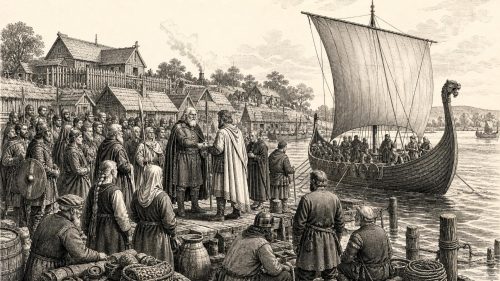
In 1036, Ireland experienced regional political upheaval rather than a single national conflict. Sitriuc Silkbeard left Dublin’s kingship after a long reign, and Echmarcach son of Ragnall succeeded him, weakening Sitriuc’s dynasty across the Irish Sea. In Leinster, Donnchad mac Gilla Pátraic blinded and fatally disabled a rival, while Diarmait mac Maíl na mBó blinded another, strengthening Osraige and Uí Chennselaig. Killings removed rulers and heirs in several regions, while Flaithbertach Ua Néill died after religious penitence. Church leaders also died, and fires affected Kildare, Kells and Lathrach. Rural society and Dublin’s trade continued amid instability, shaping later eleventh-century politics.
Read Article
Archived: 26 September 2026
Abstract
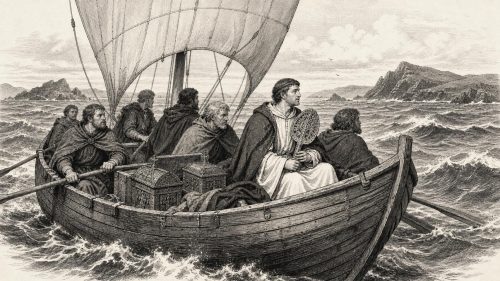
In 1034, Ireland lacked an uncontested high king, as regional dynasties, churches and maritime networks shaped a fragmented political landscape. Donnchad mac Briain of Munster ravaged Osraige, challenging its ruler’s expanding Leinster authority, while Flaithbertach Ua Néill resumed control of Ailech after his son’s death. Killings and treachery destabilised Connacht, Brega, Tethba and neighbouring regions. Ecclesiastical losses included leading figures at Cork, Mungret and Clonmacnoise, and Kells’s lector drowned returning from Scotland with companions and relics. Amlaíb, Dublin’s royal pilgrim, was killed en route to Rome. Annals reveal elite conflict and religious connections, while rural communities bore warfare’s economic burdens.
Read Article
Archived: 26 September 2026
Abstract
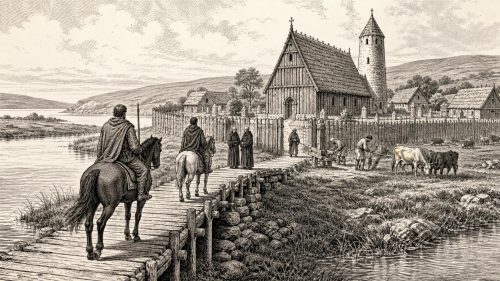
In 1027, Irish annals recorded a politically fragmented island where regional rulers, Dublin and monasteries shaped events. Donnchad mac Briain of Munster invaded Osraige, taking booty and captives, but suffered a costly defeat against local resistance. In Mide, forces of Sitriuc Silkbeard’s Dublin and Brega fought Mide, killing both Ráen ua Máel Sechnaill and Donnchad ua Duinn. Northern cattle raids and local conflicts underscored persistent border warfare. Deaths, pilgrimages and ecclesiastical successions linked Ireland to Iona, Rome and Cologne. The reported desecration of the Staff of Jesus demonstrated relics’ public importance. Warfare, trade, lordship and Christian learning were deeply interconnected.
Read Article




