
Archived: 18 October 2026
Abstract
In 1554 Queen Mary restored Gerald FitzGerald, surviving Kildare heir, as earl of Kildare and baron of Offaly, symbolising Geraldine rehabilitation while retaining tighter Tudor supervision. His return accompanied military cooperation with Lord Delvin against Clandeboye amid O’Neill dynastic conflict. Elsewhere, O’Brien campaigns, Burke alliances and a MacSweeney battle demonstrated persistent local warfare, raiding and divided kindreds. Marian religious restoration deprived Edward Staples of Meath, advanced William Walsh, and promoted Catholic discipline under George Dowdall. Dublin’s legal administration continued through new judicial appointments. Deaths of Gaelic lords and poet Tadhg Ó Cobhthaigh underscored Gaelic power, cultural memory and learned traditions.
Read Article
Archived: 18 October 2026
Abstract
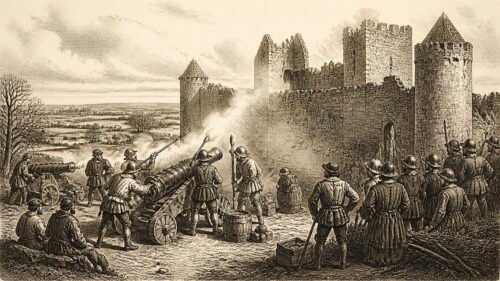
In 1535, the Kildare rebellion collapsed through military defeat, fractured alliances and Thomas FitzGerald’s surrender. Crown artillery captured Maynooth Castle in March, after which surrendered defenders were executed, creating the notorious memory of Maynooth’s pardon. Gaelic allies submitted or negotiated as royal pressure intensified. Leonard Grey received Thomas’s surrender in August and escorted him to England, where imprisonment preceded execution in 1537. Government forces also captured Dungarvan, while northern agreements revealed dependence on powerful local lords. Skeffington’s death closed a campaign. Victory dismantled Geraldine power without establishing secure government across Ireland, leaving authority contested through rivalries, coercion and fragile bargains.
Read Article
Archived: 18 October 2026
Abstract
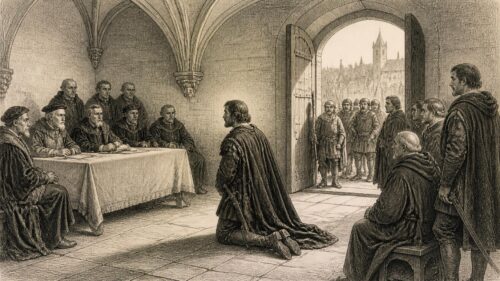
In 1534, Thomas FitzGerald, vice-deputy and heir to Kildare, renounced Henry VIII at Dublin’s St Mary’s Abbey after his father Gerald was recalled and imprisoned in London. Claiming papal loyalty, Thomas besieged Dublin Castle, mobilised Geraldine, Gaelic and Pale support, and sought foreign aid, but faced opposition from towns, Butlers and royal officials. War brought raiding and devastation across surrounding regions; Archbishop John Alen was murdered after capture near Clontarf. Gerald died in the Tower in September, making Thomas earl. Sir William Skeffington’s October arrival with a royal army shifted the balance, leaving Thomas entrenched at Maynooth under a truce.
Read Article
Archived: 19 October 2026
Abstract
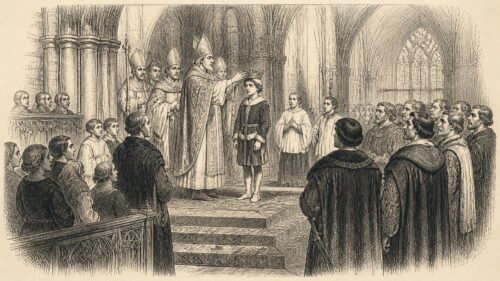
In 1487 Dublin became the base for a Yorkist challenge to Henry VII. Lambert Simnel, presented as Edward, earl of Warwick, was crowned Edward VI at Christ Church, backed by Kildare and elements of the Anglo-Irish clergy and administration. With Lincoln, German mercenaries and approximately 4,000 Irish kerns, the coalition invaded England, but was defeated at Stoke, where many Irishmen, including Thomas FitzGerald, died. Meanwhile, Gaelic lordships endured warfare, killings and contested successions. Severe storms and summer rain damaged buildings and crops. Churches suffered in raids, while poet, historian and legal scholar died. Desmond’s earl was murdered, highlighting FitzGerald instability.
Read Article
Archived: 19 October 2026
Abstract
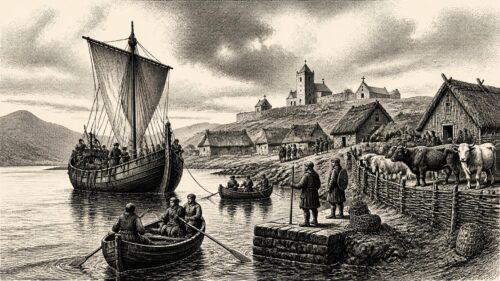
In 1478 Ireland experienced severe disruption from weather, disease and conflict. Annals describe a destructive Epiphany storm that damaged livestock, buildings, churches and Dublin windows, while Cormac MacCarthy was blinded during dynastic strife. A plague reportedly arrived by ship at Assaroe, spreading through north-western Ireland and causing deaths among nobles, clergy and learned families. Thomas FitzGerald’s death brought Gerald, later Gearóid Mór, to the Kildare earldom. In Connacht, contests for Sligo, Moylurg, Roscommon and Machaire Connacht involved sieges, devastation and changing lordships; Annaly saw partition after peace. Together, uneven records depict connected communities vulnerable to maritime disease, warfare and disaster.
Read Article
Archived: 20 October 2026
Abstract
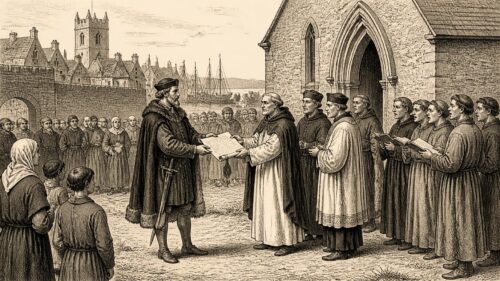
In 1464, Ireland was divided among Gaelic lordships, Anglo-Irish magnates, church jurisdictions and Dublin’s limited English administration. Thomas FitzGerald, earl of Desmond and royal lieutenant, negotiated a treaty in Dublin with Mac William Burke and Ó Domhnaill, while rival officials contested authority. Connacht experienced succession wars, burnings, cattle raids, hostage-taking and gallowglass warfare; similar dynastic violence affected Tír Chonaill, Breifne, Fermanagh and Sliabh Lugha. Illness caused numerous deaths, possibly affecting animals. Devotion remained important through miracles, burials and church offerings. On 27 December, Desmond founded Our Lady’s College at Youghal, a collegiate church supporting worship, music, learning and local administration.
Read Article
Archived: 23 October 2026
Abstract
On 6 June 1333, William de Burgh, twenty-year-old earl of Ulster and lord of Connacht, was murdered near Carrickfergus by men associated with Ulster’s settler community. His death, following de Burgh family conflict, deprived vast, fragile lordships of an adult ruler. His widow fled to England with their infant heiress, while royal justice punished some killers but could not restore stability. Annals also record cattle-raiding, noble sureties, official campaigns and violence in Dublin, illustrating insecure aristocratic politics. The murder initiated divisions that later produced the Burke civil war and Mac William lordships, exposing limits of inherited power and English administration.
Read Article
Archived: 24 October 2026
Abstract
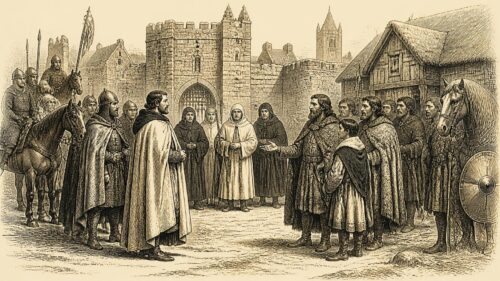
In 1295, Ireland remained divided among Anglo-Irish lordships, Gaelic kingdoms and church lands, where authority depended on negotiation, hostages and armed force. At Kilkenny, Richard de Burgh, the Red Earl, was released after hostages guaranteed a settlement with John fitz Thomas FitzGerald. Thomas fitz Maurice, acting as royal keeper, secured temporary submissions from Wicklow groups through fines and hostages. John Wogan became justiciar, tasked with preparing Irish resources for Edward I’s Scottish war. Annals also record dynastic killings, contested successions, plunder and expulsions in northern and southern regions, revealing persistent regional conflict despite royal efforts to restore order and stability.
Read Article

Archived: 24 October 2026
Abstract
In 1293, Ireland experienced interconnected political, administrative and religious upheavals. In Connacht, Magnus Ó Conchobair’s death triggered rapid changes of kingship, as Áed mac Eógain, Cathal Ruad and Anglo-Irish interests contested authority. Violence destabilised Moylurg and claimed several regional rulers. William de Vesci’s rivalry with John fitz Thomas FitzGerald prompted Edward I to restrain military mobilisation, reform sheriffs’ accountability and investigate the justiciar. At Saul, Nicholas Mac Máel Ísu enshrined reported relics of Patrick, Columba and Brigid, reinforcing ecclesiastical prestige. Episcopal deaths and contested elections linked Irish churches to royal administration, monasteries and Rome, revealing overlapping, insecure jurisdictions across Ireland.
Read Article





