Now Sharing: Articles: 202 Images: 642 Total Items Archived: 844

Limerick Lace Garden Gown

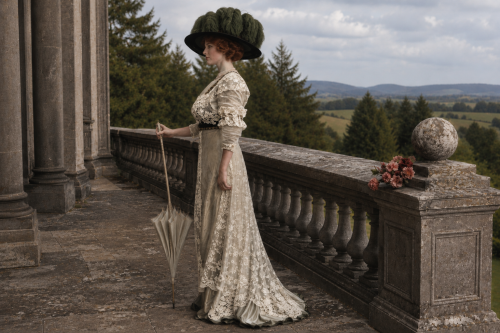
Published in the Ladies’ Field Supplement in May 1909, this elegant garden-party ensemble combines pale green crêpe météore with a flowing tunic of delicate Limerick lace. The softly draped fabric creates a graceful Edwardian silhouette, while the intricate lacework adds texture, refinement and distinctly Irish craftsmanship. A fitted waist, long skirt and trimmed bodice reflect the fashionable ideal of the period, balancing formality with lightness suitable for outdoor social occasions. Completed by an elaborate feathered hat and parasol, the gown captures the elegance, confidence and decorative luxury associated with upper-class women’s fashion in the years before the First World War.
The Lyric Cinema

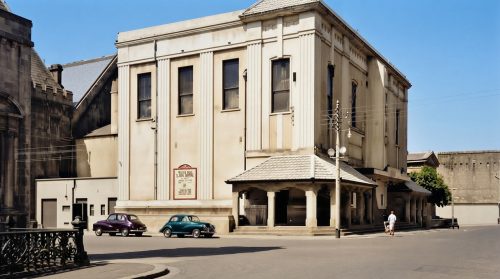
The Lyric Cinema on Glentworth Street was one of Limerick’s best-loved picture houses, serving generations from the silent-film era until 1976. Occupying a prominent corner site near Baker Place, Mallow Street and Pery Square, it contained stalls, a balcony, gallery and spacious auditorium. During cinema’s golden age, the Lyric became especially popular for inexpensive children’s matinees and its lively local atmosphere. Its staff joined the city’s theatrical workers’ strike in 1953. The cinema closed on 28 August 1976 after screening Operation Daybreak. Demolished in 1981, the Lyric remains fondly remembered as an important part of Limerick’s social and cultural history.

Royal Farewell

Queen Victoria arrived at Kingstown today for what would prove to be her final visit to Ireland, beginning a three-week residence centred largely upon Dublin and the Vice-Regal Lodge in Phoenix Park. Although the royal party will not travel to Limerick, accounts of the landing, the ceremonial procession and the extensive public decorations are already attracting attention throughout the city and county. Unionist residents may regard the visit as an affirmation of loyalty to the Crown, while nationalists are likely to judge it against continuing demands for Home Rule, land reform and recognition of Ireland’s political grievances.

Dutch Billy Houses, Mary Street

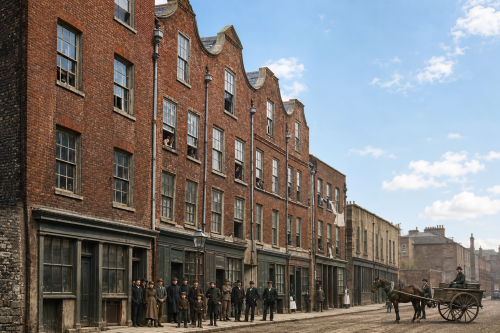
Dutch Billy houses were once a distinctive feature of Limerick’s Englishtown and Irishtown districts. Characterised by narrow brick façades, steeply pitched gables and tall windows, the style developed in Irish towns during the late seventeenth and early eighteenth centuries. Many examples survived along Mary Street into the early twentieth century, preserving the appearance of Limerick’s merchant quarters. Their name is traditionally associated with King William III, although the term was applied broadly to gabled urban houses of the period. By around 1900, these buildings stood as reminders of the city’s commercial growth, architectural character and changing streetscape across previous centuries.

Shannon Defence

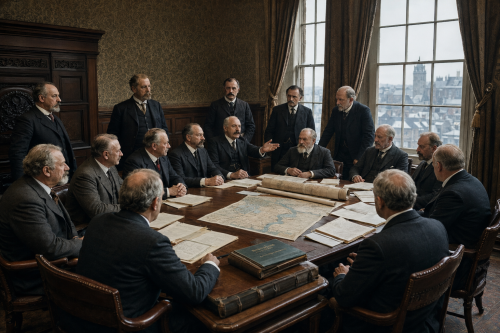
On 2 January 1900, the Limerick Fishery Conservators unanimously opposed the scheme promoted by the Shannon Water and Electric Power Company. Meeting under Lord Massy’s chairmanship, the members viewed the proposed parliamentary bill as a direct threat to interests dependent upon the river. Their objections extended beyond salmon fishing to navigation, milling and the public water supply of Limerick. The Conservators feared that private promoters seeking to harness the Shannon for electricity might secure broad powers before the consequences for existing river users had been fully investigated or adequately protected.

Bunratty Castle

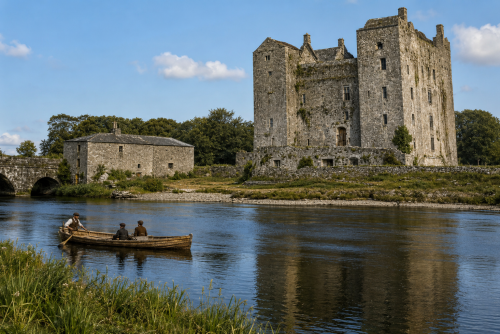
Bunratty Castle in County Clare is one of Ireland’s finest surviving medieval tower houses. The present fortress was built around 1425 by the MacNamara clan on a site occupied by three earlier castles. It later passed to the O’Briens, Earls of Thomond, and endured siege during the Confederate Wars. After the family moved to Dromoland, Bunratty declined into ruin under later ownership. Lord Gort purchased the roofless structure in 1953 and directed its careful restoration, furnishing it with medieval tapestries, furniture and artworks. Opened to visitors in 1962, the castle and adjoining Folk Park remain major heritage attractions worldwide.

Republican Patrols in Limerick

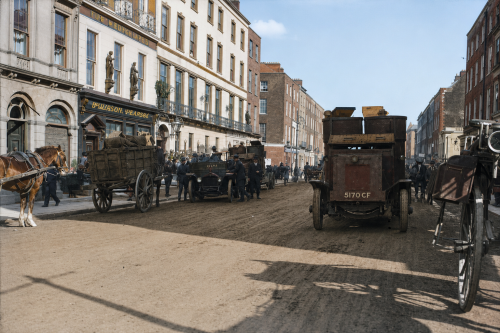
During the Irish Civil War, armoured cars operated by Republican forces patrol a Limerick street as civilians watch cautiously from the roadside. The arrival of troops has created a tense and uncertain atmosphere, with local people anxious to avoid any action that might provoke violence or heavy bloodshed. The vehicles move through the city as a visible display of military control, while horse-drawn transport and early motor traffic share the roadway. This striking scene records the growing presence of armed forces in Limerick and the apprehension felt by residents as conflict reached the streets and disrupted ordinary daily urban life.

Rivals Reconcile

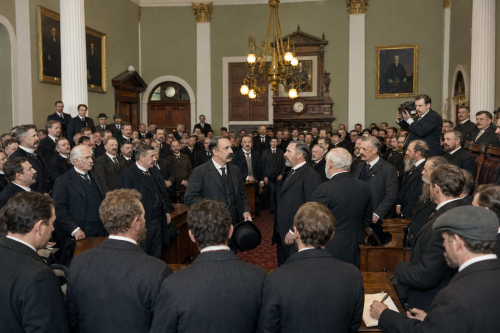
Parnellite and anti-Parnellite representatives appeared together at Dublin’s Mansion House on 17 January in the most important public demonstration of nationalist reconciliation since the political rupture of 1890. Men who had spent nearly a decade attacking one another from platforms, newspapers and election committees now entered the same civic chamber under intense public scrutiny. Their presence did not erase the bitterness created by the fall of Charles Stewart Parnell, but it offered supporters visible evidence that reunion had become possible. The gathering converted private discussions and cautious approaches into a public acknowledgement that continued division was damaging the wider nationalist cause.

William Street, Limerick

William Street has served as one of Limerick City’s principal commercial streets since its creation within the Newtown Pery development in 1789. Extending from O’Connell Street towards Mulgrave Street, it was named after William Cecil Pery, brother of Edmund Pery, who promoted the city’s Georgian expansion. Its red-brick terraces, fanlights, sash windows and underground vaulted cellars reflect ambitious eighteenth-century planning. Over time, the street witnessed destructive fires, overcrowded tenements and major changes in transport and retail. Shops, drapers, chemists and public houses later made William Street a busy commercial route that remains central to city life today in modern Limerick.

Inside Gurranmore Police Cabin

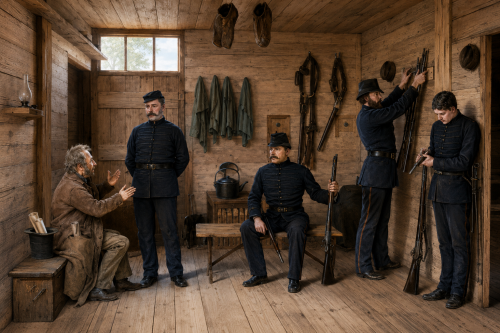
Around 1880, the interior of a police cabin at Gurranmore, near Pallas in County Limerick, reveals the modest conditions in which rural constables lived and worked. The small room is sparsely furnished, with simple wooden fittings, basic household utensils and few comforts. Uniformed officers occupy the cramped space, suggesting that the cabin served as both workplace and living quarters. Published in The Graphic in 1880, the image offers a rare glimpse of everyday policing in nineteenth-century Ireland. It preserves not only the appearance of the station, but also the disciplined, isolated life experienced by men posted in rural communities nearby.