Archived: 5 October 2026
Abstract
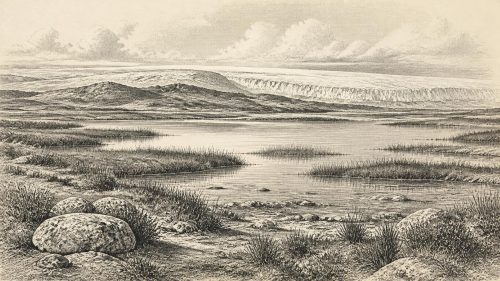
Around 30,222 BCE, Ireland was a climatically unstable Late Pleistocene landscape, not a place recoverable through annual history. Derryvree, County Fermanagh, preserves freshwater organic deposits between glacial tills, proving an ice-free wetland interval but not settlement. Reconstructions indicate shifting British–Irish ice masses, producing a mosaic of ice, open ground, wetlands and changing coasts. Castlepook Cave near Doneraile yielded cold-stage fauna including mammoth, reindeer, giant deer, bears and hyaenas, though its bones span millennia and cannot date a single community. A modified reindeer bone may indicate early human activity, but permanent occupation remains unproven. Environmental records transformation; human narratives remain inaccessible.
Read Article
Archived: 1 October 2026
Abstract
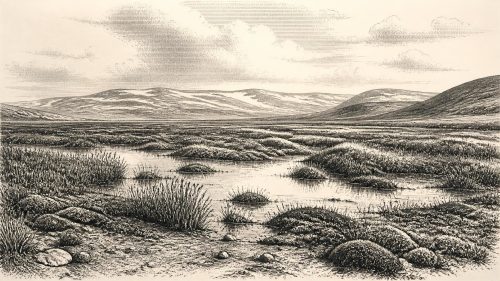
Around 30,419 BCE, Ireland’s record is environmental, not historical. At Derryvree, County Fermanagh, freshwater silts containing wetland plants and animals lie between glacial tills. Radiocarbon dating and calibration place this deposit broadly within later Marine Isotope Stage 3, although not at a precise year. It demonstrates a cold, treeless, periglacial wetland between ice advances, challenging notions of continuous ice cover. Cave faunas indicate intermittent cold-adapted mammals, but cannot reconstruct a single contemporary community. No secure evidence establishes human occupation then; later finds and disputed marks offer only limited possibilities. Derryvree preserves a local archive of climatic instability and glacial change.
Read Article

Archived: 26 September 2026
Abstract
Around 30,618 BCE, Ireland lay in a volatile Late Pleistocene climate before the Last Glacial Maximum, not beneath uniform ice. Inter-till wetland deposits at Derryvree, County Fermanagh, preserve pollen and plants indicating cold, open vegetation, freshwater and seasonal habitats. Castlepook Cave in County Cork contains a varied, non-contemporary fauna, including reindeer, mammoth, giant deer, bear, wolf, fox and hyaena, demonstrating productive tundra ecosystems and changing animal routes across lower sea levels. A cut-marked reindeer femur may indicate Upper Palaeolithic carcass processing, but remains disputed and cannot prove settlement. Later ice erased evidence, leaving cautious reconstructions of wetlands and human presence.
Read Article
Archived: 24 September 2026
Abstract
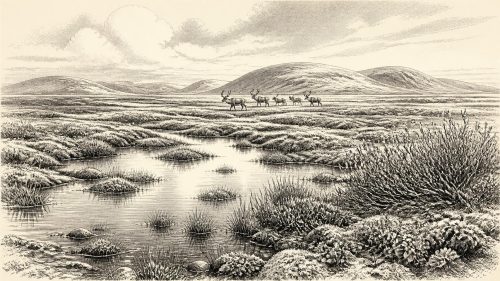
Thirty thousand years ago, Ireland lay in unstable Marine Isotope Stage 3, although dates cannot identify events in 30,729 BCE precisely. At Derryvree, County Fermanagh, freshwater sediments between glacial tills record an ice-free wetland interval, with tundra-like, open vegetation including bogbean, water-milfoil, mosses and dwarf willow. Castlepook Cave, County Cork, preserves mixed-age remains of mammoth, reindeer, giant deer and predators, demonstrating links to wider cold-stage ecosystems but not contemporaneity. A cut-marked reindeer bone suggests possible human presence, not settlement. Changing sea levels and ice complicated access. Later glaciation destroyed evidence, leaving environmental change in Ireland as the period's principal story.
Read Article
Archived: 24 September 2026
Abstract
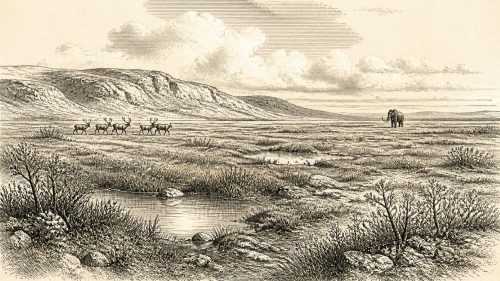
Around 30,781 BCE, Ireland lay within the climatically unstable Marine Isotope Stage 3, before maximum glaciation. Castlepook Cave near Doneraile preserves evidence of recurring animal presence, including reindeer, mammoth, giant deer, bears, wolves, Arctic foxes, lemmings and hyaenas, indicating open, cold habitats with varied food webs. Its mixed, disturbed deposits cannot represent a single moment. Derryvree, County Fermanagh, preserves freshwater sediments and tundra vegetation from a milder interval. A marked reindeer bone from Castlepook may suggest early human butchery, but remains unconfirmed and demonstrates neither settlement nor society. Later ice erosion explains the scarcity of securely dated Irish Palaeolithic evidence.
Read Article
Archived: 20 September 2026
Abstract
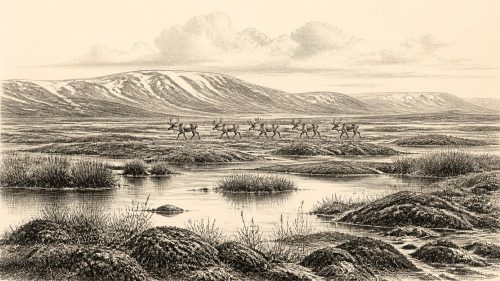
Around 31,078 BCE, Ireland lay within the volatile Midlandian cold stage, before the Last Glacial Maximum, rather than a datable historical year. Changing ice, sea levels and land connections created an environmentally varied, intermittently accessible landscape. Derryvree sediments in Fermanagh preserve evidence of treeless tundra wetland, including mosses, sedges and cold-adapted insects, during an ice-free interval. Castlepook Cave in Cork contains mammoth, reindeer, giant deer, predators and smaller mammals, documenting a diverse cold-stage fauna. A possibly cut-marked reindeer bone suggests fleeting Upper Palaeolithic human activity, but lacks secure context. No evidence supports permanent settlement, institutions or society; uncertainty remains essential.
Read Article
Archived: 19 September 2026
Abstract
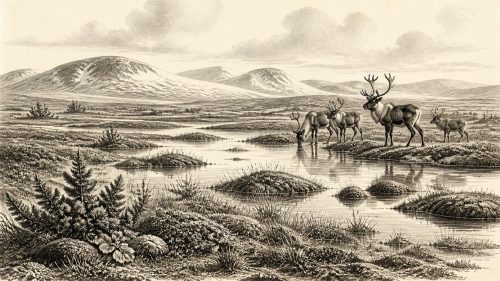
31,190 BCE is a modern label within a broad Late Pleistocene range, not a recoverable Irish year. At Derryvree, County Fermanagh, organic freshwater sediments between two tills demonstrate a local ice-free interval, supporting a treeless, periglacial wetland of sedges, grasses, mosses, herbs, juniper and insects. Castlepook Cave, County Cork, preserves mixed remains of cold-stage mammals, including mammoth, reindeer and hyaena, but cannot reconstruct a contemporary fauna. A potentially cut-marked reindeer bone suggests, without proving, brief human presence. No settlements, polities or trade are evidenced. Advancing ice later reshaped Ireland and erased much evidence from this remote period across the island.
Read Article

Archived: 17 September 2026
Abstract
31,491 BCE is a modern filing label within a broad, uncertain MIS 3 chronology, rather than a recoverable Irish calendar date. Derryvree, County Fermanagh, preserves freshwater sediments between tills, indicating an ice-free, treeless periglacial tundra with mossy wetlands during part of the Middle Midlandian. Castlepook Cave, County Cork, documents a wider, time-mixed fauna including mammoth, reindeer, giant deer, hyena and wolf, evidencing intermittent ecological connections with neighbouring lands. Climate fluctuated, with milder episodes and habitable niches before renewed glaciation. No securely dated human occupation exists; possible cut marks warrant investigation only. These archives illuminate environments, not events or prehistoric society.
Read Article

Archived: 15 September 2026
Abstract
Around 31,630 BCE, Ireland lay within an unstable Ice Age interstadial, before the Last Glacial Maximum but amid shifting ice margins, low seas and varied regional conditions. Cave remains at Castlepook, County Cork, document Late Pleistocene fauna including mammoth, reindeer, giant deer, bears, wolves and hyaenas, indicating episodic open, cold-steppe habitats, though not a single contemporaneous ecosystem. Buried sediments at Derryvree, County Fermanagh, reveal treeless periglacial wetlands with grasses, sedges, herbs and mosses. Human occupation remains unproven: a possibly cut-marked reindeer bone may suggest visitors, but lacks secure context. Later glaciation destroyed evidence, leaving changing environments rather than social history.
Read Article

Archived: 9 September 2026
Abstract
Circa 31,910 BCE, Ireland lay within the climatically unstable Marine Isotope Stage 3, when ice, coastlines and animal habitats changed substantially. Castlepook Cave, County Cork, preserves Ireland’s richest late-Pleistocene vertebrate archive, including mammoth, reindeer, giant deer, bear and hyaena, though its disturbed, time-averaged deposits cannot date species to one moment. Revised radiocarbon evidence suggests some animals vanished locally before 40,000 calibrated years ago. A marked reindeer bone, possibly butchered around 33,000 years ago, may indicate early human activity, but remains unconfirmed. No secure settlements, tools or social evidence exist. The period reveals an Ice Age ecosystem and uncertain human presence.
Read Article

