Membership is completely free, giving members unlimited access to all available resources, services, features, and benefits without any restrictions or fees.
Welcome back. Sign in to continue enjoying unlimited access to all available resources, services, features, and member benefits at no cost.
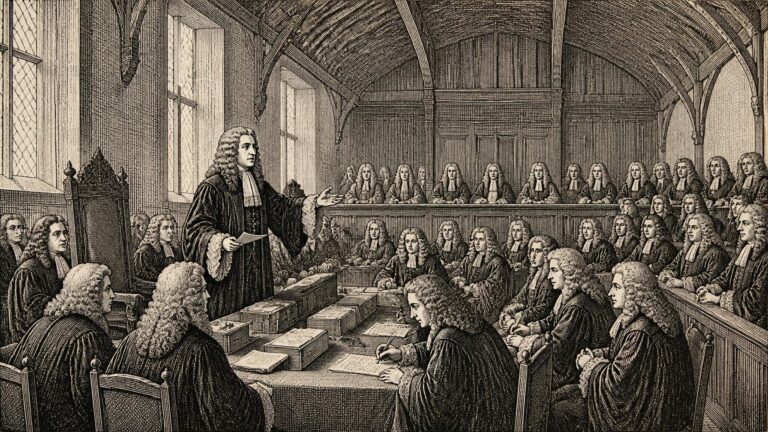
Capell became lord deputy in the spring of 1695 after a period in which Ireland had been governed by lords justices. His appointment was political as well as administrative. The government needed money, dependable institutions and a means of bringing influential Protestant landowners and office-holders into a workable relationship with Dublin Castle. The previous parliament of 1692 had broken down over the Commons’ claimed right to originate money bills. In 1695, however, negotiation produced a compromise: the Crown would retain its constitutional role under Poynings’ Law, while the Commons would be allowed a meaningful part in framing the methods by which revenue was raised.
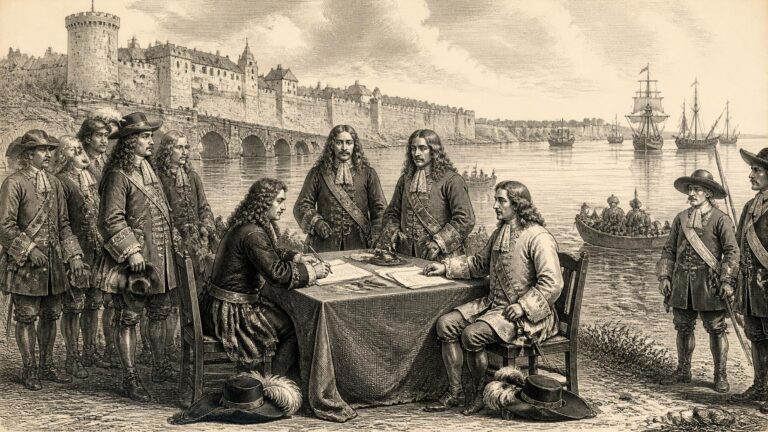
The campaigning season opened with the Jacobites holding the principal crossings and towns west of the Shannon. Their cause remained part of the wider Nine Years’ War: William III’s coalition was fighting Louis XIV across Europe, while French officers, equipment and hopes of relief linked the Irish theatre to continental strategy. The arrival at Limerick in May of the French lieutenant-general Charles Chalmont, marquis de Saint-Ruth, brought weapons and supplies but neither the money nor the additional troops that the hard-pressed Jacobites wanted. He found an army whose morale and material condition were poor after the previous winter.