
Year by Year
Explore Year by Year articles from the most modern historical year back to the oldest.
3,295 Articles Archived
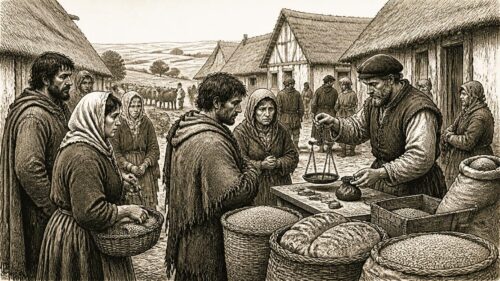
Hacketstown Conflict
Archived: 18 October 2026
In 1545, Ireland experienced interconnected local conflicts, Tudor military demands, scarcity and religious complexity. Cathaoir MacMurrough Kavanagh defeated rivals near Hacketstown, while An Calbhach O’Donnell strengthened his position through dynastic violence in Tír Chonaill. Elsewhere, disputes involving Sligo, Moylurg and O’Rourke reflected fractured lordship. Henry VIII ordered Irish troops for Scotland under Ormond, exposing rivalry between Ormond and Lord Deputy St Leger. Annals recorded severe dearth and costly bread in Connacht and Meath amid debased currency. Papal appointment in Killala, changes at Christ Church, and the death of scholar Piers Ó Muirgheasa demonstrate enduring ecclesiastical and learned traditions across Ireland.
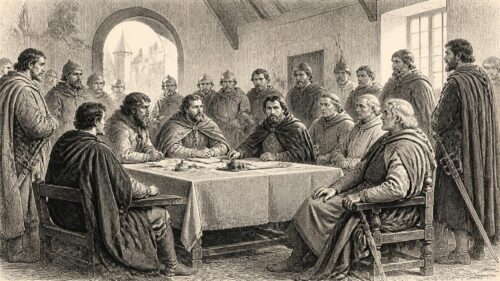
Clanricarde Succession
Archived: 18 October 2026
In 1544, Tudor authority in Ireland depended on negotiation rather than uniform control. During Sir Anthony St Leger’s absence, Lord Justice William Brabazon managed finance, military levies and invasion rumours, while Irish kern joined Henry VIII’s war against France and Scotland. Local conflicts persisted: English forces aided O’Donnell’s siege at Lifford, and warfare engulfed Ulster through raids, castles, hostages and Scottish mercenaries. At Limerick, a council addressed the Clanricarde succession after Ulick Burke’s death, recognising Richard Burke but empowering a rival custodian, leaving conflict unresolved. Former monastic property passed to crown servants, illustrating primarily economic, rather than immediate religious, transformation.
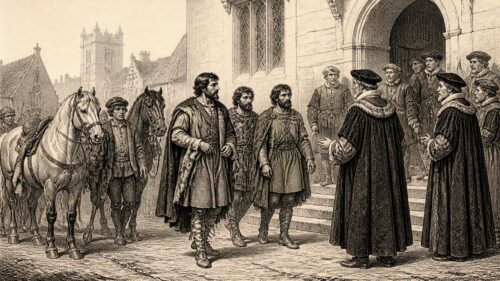
Surrender Regrant
Archived: 18 October 2026
In 1543, Henry VIII’s government sought to reshape Irish lordship through negotiation, royal recognition and noble titles. Gaelic and Gaelicised magnates travelled to Greenwich, where political bargains connected local authority to the Tudor crown. Rival kinsmen negotiated settlements, while the vacancy at Armagh exposed disputes over religious jurisdiction. Anthony St Leger’s administration promoted incorporation by making rulers titled royal subjects. These arrangements did not establish uniform government, erase Gaelic institutions or remove dynastic competition. Instead, the year reveals a monarchy extending its claims through agreements that depended on local interests, personal allegiance and the uneven practical reach of Dublin’s administration.
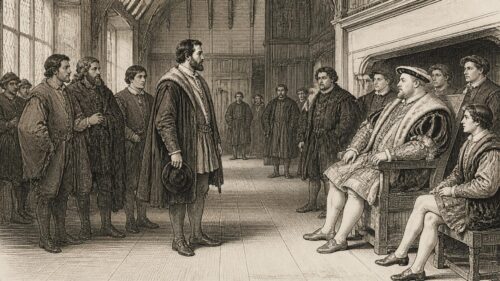
Tyrone Earldom
Archived: 18 October 2026
In 1542, Henry VIII’s Irish monarchy relied on negotiated submission rather than direct control. Conn Bacach O’Neill travelled to Greenwich, renounced his Gaelic title’s authority, and became earl of Tyrone; Matthew O’Neill’s recognition as heir intensified succession conflict. Parliament met at Limerick, while Murchadh O’Brien, Ulick Burke and the earl of Desmond engaged with royal policy, though promised earldoms for O’Brien and Burke followed in 1543. Campaigns and alliances demonstrated limited royal reach. Religious change included friary suppression, marriage legislation, and a Jesuit mission, yet Gaelic learning and worship endured. The kingdom remained diverse, contested, and dependent on local lordships.
Irish Kingship
Archived: 18 October 2026
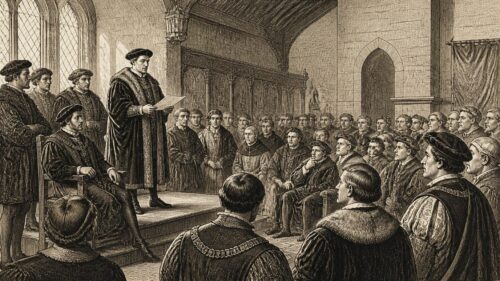
In 1541, Dublin parliament declared Henry VIII king, rejecting papal claims and linking Irish kingship to England’s crown. Sir Anthony St Leger pursued surrender and regrant, granting titles to Edmund Butler and Barnaby Fitzpatrick, securing pardons and agreements and seeking allegiance from Gaelic and Anglo-Irish rulers. Crown authority nevertheless remained concentrated around the Pale. An autumn Ulster campaign brought Conn Bacach O’Neill’s submission, while Manus O’Donnell sought recognition. Dissolution of religious houses transferred property, affecting communities and economies. Proclamations and safe conducts reveal governance. The act created a legal kingdom, but control still depended on negotiation, force and local power.

O’Donnell Diplomacy
Archived: 18 October 2026
In 1540 Ireland remained divided between Tudor authority and powerful Gaelic lordships. Leonard Grey left office and was arrested, while Sir Anthony St Leger became Lord Deputy, pursuing cooperation rather than immediate universal warfare. Manus Ó Domhnaill sent Henry VIII an apologetic letter via Bristol, signalling negotiation without submission. Crown commissioners surveyed dissolved monasteries, redirecting wealth where English power reached, while Franciscan patronage survived in Thomond and violence accompanied suppression at Monaghan. Gaelic rulers built castles, conducted campaigns, took hostages and fought dynastic conflicts. Thus, administrative reform, religious change, Irish Sea diplomacy and regional warfare coexisted, leaving Tudor control incomplete.
Bellahoe Battle
Archived: 18 October 2026
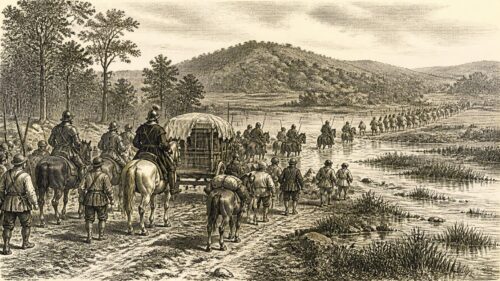
In 1539, Conn Bacach O’Neill and Manus O’Donnell allied, solemnising their pact at a Donegal friary, while Manus consolidated influence through tribute, hostages and agreements. Their raid through Meath reached Tara but ended in defeat when Lord Deputy Leonard Grey intercepted their returning force at Bellahoe. The battle demonstrated Dublin’s capacity to punish incursions, though northern lordships remained resilient. Meanwhile, Henrician commissioners advanced religious reform, suppressing houses, redistributing property and remodelling Holy Trinity, Christ Church, as a secular cathedral. Deaths, disputed successions and destructive June storms further exposed widespread persistent insecurity. Royal authority and reform remained uneven outside government-controlled districts.
Western Progress
Archived: 18 October 2026
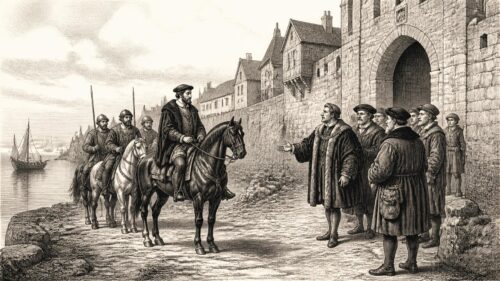
In 1538, Lord Leonard Grey extended Tudor influence through an armed western progress, securing submissions, attacking Claregalway Castle and visiting Galway, where civic hospitality reflected loyalty. Yet authority remained contingent: regional rulers used crown alliances for dynastic rivalries, while warfare continued in Connacht, Tyrone, Fermanagh and Wicklow. Grey’s support helped Ulick Burke dominate Clanricarde, and Thomond politics shifted around O’Brien competition. Religious reform advanced unevenly through Browne’s contested visitation and monastic suppressions, while Newry was remodelled rather than dissolved. Piers Butler regained Ormond’s earldom, and urban education and patronage persisted. Ireland remained politically fragmented, governed through force, negotiation and bargains.
Reformation Statutes
Archived: 18 October 2026
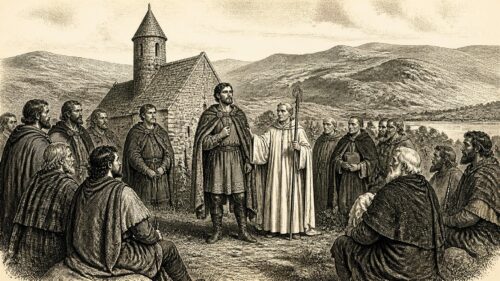
In 1537, Henry VIII’s government intensified its authority in Ireland, executing Silken Thomas FitzGerald and five uncles, investigating Lord Deputy Leonard Grey, and enacting Reformation statutes asserting royal supremacy, restricting Rome and enabling religious suppression. Their impact remained uneven beyond government-controlled districts. Grey’s expedition demolished Daingean castle in Offaly, yet O’Conor Faly recovered power. In Tír Chonaill, Aodh Dubh O’Donnell died and Manus O’Donnell was inaugurated at Kilmacrennan, though rivalry persisted; Manus subsequently campaigned in Lower Connacht. Conflict also disrupted Clandeboye and Fermanagh, where Cuconnacht Maguire was killed. Deaths, warfare and legislation reshaped lordships, but Gaelic structures proved resilient locally.
Royal Supremacy
Archived: 18 October 2026
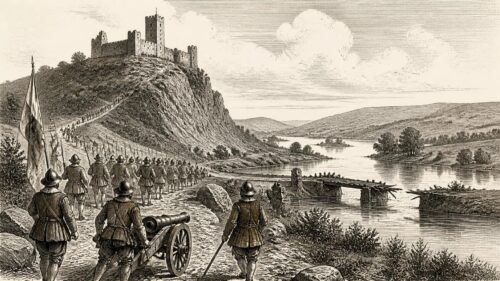
In 1536, Tudor authority in Ireland expanded after the Kildare revolt through Leonard Grey’s appointment as lord deputy, the Dublin parliament and military campaigning. Parliament asserted Henry VIII’s royal supremacy over the Irish church, attainted Kildare interests and initiated changes to religious property, though enforcement remained limited and monastic dissolution was incomplete. Grey captured Carrigogunnell Castle and destroyed its bridge, exploiting regional rivalries. Elsewhere, Connacht experienced succession disputes, raids, artillery warfare, sanctuary violations and the burning of Dromahair monastery. Plague, smallpox and illness compounded instability, while deaths of lords and poet Tomás Ó hUiginn marked cultural loss. Local lordship remained.
Some records do not yet have a verified historical year and are awaiting chronological placement.