
Year by Year
Explore Year by Year articles from the most modern historical year back to the oldest.
3,295 Articles Archived
Trembling Sod
Archived: 26 September 2026
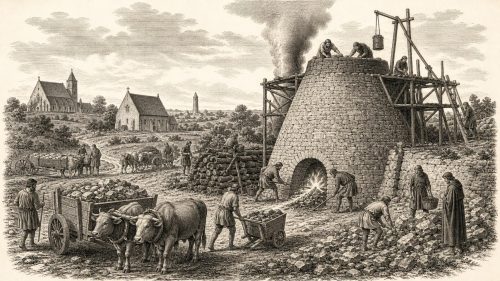
In 1145, Ireland’s contested high-kingship produced widespread warfare, recalled by annalists as a trembling sod. Tairdelbach Ua Conchobair of Connacht faced rebellion from Tigernán Ua Ruairc of Bréifne, Munster offensives and instability in Mide. In the north, Muirchertach Mac Lochlainn regained Cenél nÉogain with support from Cenél Conaill and Airgialla, establishing a powerful rival centre. Campaigns involved battles, cattle raids, burnings, captives and naval conflict on the Shannon, where Connacht defeated Munster and Limerick forces. Amid turmoil, Armagh’s church built a large limekiln, demonstrating ecclesiastical resources, reform and continuing organised construction. The year reshaped, but did not settle, Irish supremacy.
Conchobar Assassination
Archived: 26 September 2026
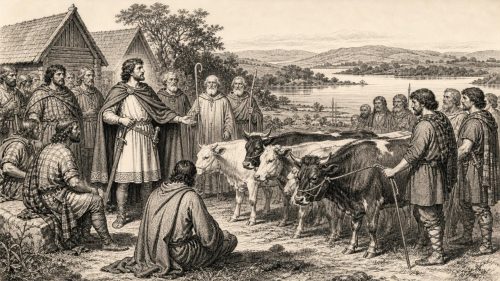
In 1144, Conchobar Ua Conchobair, Tairdelbach of Connacht’s son and king of Meath, was assassinated by Meath conspirators after six months’ rule. Tairdelbach invaded, inflicted heavy losses, accepted 400 cows in compensation, and reorganised Meath between Ua Mael Sechlainn rulers and neighbouring powers. Epidemic claimed his son Tadc and others, while clergy secured the conditional release of imprisoned Ruaidrí Ua Conchobair and mediated peace with Munster. Annals also record aristocratic deaths, kindred violence, Kells burning three times, and losses at Clonard. Events exposed high-kingship’s dependence on local dynasties, hostages, wealth, negotiation and ecclesiastical authority during a year of widespread disruption.

Sacred Guarantees
Archived: 26 September 2026
In 1143 Tairdelbach Ua Conchobair, Connacht’s dominant king, deposed Murchad Ua Máelshechlainn of Mide despite sacred guarantees, installed his son Conchobar, and provoked clerical condemnation. His authority was equally strained by the imprisonment of another son, Ruaidrí, despite ecclesiastical sureties, and by Munster’s contested incursion into south Connacht. In the north, Muirchertach Mac Lochlainn was temporarily expelled. Annals also record raids, destructive fires at major settlements, and church land transactions. The year revealed intertwined kingship, ecclesiastical power and local economies, while highlighting unreliable chronologies and conflicting annalistic accounts. Religious reform advanced through Mellifont and St Malachy alongside older sacred customs.

Mellifont Abbey
Archived: 26 September 2026
In 1142, Ireland remained politically fragmented despite Toirdelbach Ua Conchobair’s claim to high kingship. His coalition army devastated lands en route to Munster but gained neither cattle nor Munster hostages. Conchobar Ua Briain died, enabling his brother Toirdelbach to take Munster amid dynastic conflict, while Muirchertach Mac Lochlainn fought in the north and Ottir from the Hebrides assumed Dublin’s leadership. Raiding, crop destruction, church burnings and clerical deaths exposed insecurity affecting rural and religious life. Mellifont Abbey, founded by Malachy Ua Morgair with Donnchad Ua Cerbaill’s patronage, introduced Ireland’s first Cistercian house, linking native reform, politics and Clairvaux’s continental network.
Diarmait's Purge
Archived: 26 September 2026
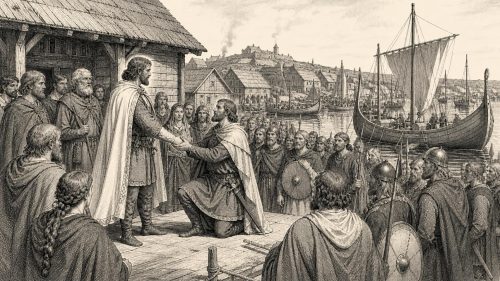
In 1141, Ireland remained a polity where Tairdelbach Ua Conchobair exercised contested high-kingship through raids, fortifications, hostages and submissions. His campaign in the midlands coincided with dynastic killings in Meath and lordships. Leinster’s Diarmait Mac Murchada ordered, or authorised, a purge that killed or blinded leading nobles, securing power but weakening provincial cohesion; he was defeated while raiding Laois. Conchobar Ua Briain gained Dublin, then his forces raided Connacht and destroyed Dún Gaillimhe. Church communities suffered and received protection, while monastic penance and burial bound elites to religious institutions. Cattle-raiding, provisioning, Dublin trade and rivalries underpinned an unstable political order.
Shannon Bridges
Archived: 26 September 2026
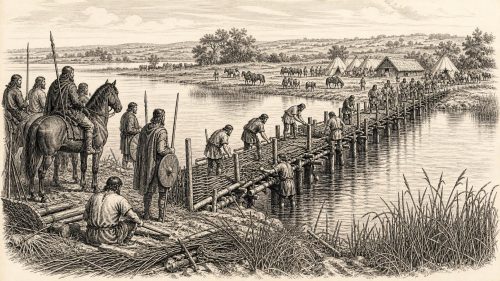
Ireland in 1140 saw contests for political control and ecclesiastical reform. Toirdhealbhach Ua Conchobhair of Connacht sought dominance through Shannon bridges, campaigns, raids and negotiated settlements, but faced resistance from Meath, Bréifne and local peoples. Murchadh Ua Maeleachlainn strengthened his Meath kingship, while Tighearnán Ua Ruairc briefly lost and regained leadership. Gelasius of Armagh visited Connacht, asserting Patrician primacy with royal support. Malachy Ua Morgair pursued papal recognition and continental monastic links, preparing for Cistercian expansion. Dublin defeated Waterford's Hiberno-Norse forces. Warfare, cattle-raiding, church offices, learning and urban trade reflected a politically fragmented yet increasingly connected Ireland during that year.
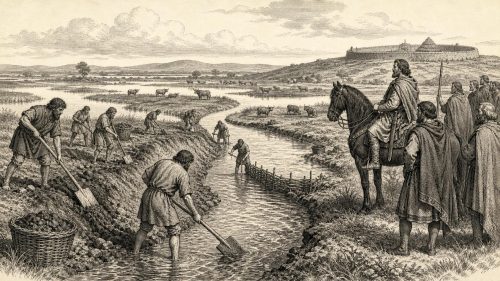
Suck Diversion
Archived: 26 September 2026
In 1139, Ireland remained politically fragmented, with Tairdelbach Ua Conchobair’s high-kingship dependent on force, alliances and hostages. He demonstrated authority by diverting the River Suck through marshes, strengthening Connacht’s eastern frontier, and by blinding a rival. Across Ireland, dynastic feuds brought killings, church burnings, plundering and violated sanctuary, while Munster’s Uí Briain exploited Cormac Mac Carthaig’s recent death. Church leaders negotiated peace between Munster and Leinster, and Malachy began his journey towards Rome, linking reformers with continental Christianity. Dublin’s religious life developed, poets and clerics died, and ordinary people directly bore warfare, tribute and labour demands during the troubled year.

Cormac's Murder
Archived: 26 September 2026
In 1138, Ireland’s contested political order produced both stalemate and upheaval. Toirdelbach Ua Conchobair’s coalition confronted Meath, Leinster and Dublin without battle, confirming his reach but not supremacy. In Munster, Cormac Mac Carthaig, royal patron of reform and Cashel’s Romanesque chapel, was murdered through an Uí Briain-backed conspiracy, restoring their over-kingship while preserving Mac Carthaig resistance in Desmond. Raids, killings and crop destruction exposed local rivalries and contributed to famine. Armagh’s new primate, Gilla Meic Liac, visited Munster, while clerical deaths and fires affected churches. At Armagh, Máel Brigte completed a Gospel manuscript, demonstrating enduring scholarship amid conflict and instability.

Waterford Siege
Archived: 26 September 2026
Ireland in 1137 remained politically fragmented, as Tairdelbach Ua Conchobair of Connacht asserted contested overlordship through warfare and naval power on the Shannon. Rivalries involved Bréifne, Mide, Leinster, Munster and Hiberno-Norse towns. An allied fleet from Leinster, Dál Cais, Dublin and Wexford besieged Waterford, gaining hostages but not conclusively conquering it. Dynastic killing and raids destabilised Mide and Connacht. In the church, Malachy yielded Armagh to reformer Gilla meic Liac. A severe storm and widespread fires damaged communities. Despite violence, trade, maritime capacity, scholarship, artistic patronage and ecclesiastical reform demonstrated a dynamic, connected society within a rapidly changing medieval world.

Dynastic Upheaval
Archived: 26 September 2026
In 1136 Ireland remained divided among kings, church jurisdictions and raiding forces. Tairdelbach Ua Conchobair, pre-eminent king of Connacht, faced dynastic threats, imprisoning Ruaidrí despite clerical guarantees, while another son, Áed, was blinded and a rival claimant killed. In the north, Conchobar Ua Lochlainn’s murder enabled Muirchertach Mac Lochlainn’s accession. Conflict devastated Mide and Bréifne, where cattle raids and attacks included Clonard’s plundering. Leinster, Dublin and Munster saw disputed campaigns. Malachy of Armagh advanced church reform and relinquished office amid succession. Clerics, monasteries and men remained vulnerable yet influential. Annals reveal power founded on kinship, livestock, violence, authority and memory.
Some records do not yet have a verified historical year and are awaiting chronological placement.