Archived: 9 October 2026
Abstract
In 1919, Sinn Féin MPs established Dáil Éireann at Dublin’s Mansion House, declaring independence, adopting a Democratic Programme and claiming authority denied by Britain. The same day, the Soloheadbeg ambush killed two policemen, signalling escalating conflict. De Valera’s escape, presidency and mission strengthened republican propaganda and fundraising. The Dáil developed ministries, a loan, publicity and courts, aided by Cumann na mBan, despite proscription. Limerick’s permit strike demonstrated labour resistance. British repression accompanied plans for separate parliaments, foreshadowing partition. By December, the attempted assassination of Lord French highlighted violence. Ireland ended with rival British and republican authorities, amid hardship and uncertainty.
Read Article
Archived: 9 October 2026
Abstract
In 1920, Ireland’s political crisis widened into conflict across elections, workplaces, civic institutions and homes. Sinn Féin and Labour gained local authority, helping Dáil Éireann establish parallel courts, finance and propaganda, while Britain answered with emergency powers, troops, Black and Tans and Auxiliaries. IRA attacks, reprisals and executions, including Kevin Barry’s, intensified war. Cork symbolised the crisis through Tomás MacCurtain’s murder, Terence MacSwiney’s hunger-strike death and the city’s burning. Bloody Sunday and Kilmichael deepened violence. Labour resistance exposed regional divisions. Sectarian expulsions in Belfast accompanied the Government of Ireland Act, which legislated partition, shaping the 1921 truce and eventual negotiations.
Read Article
Archived: 9 October 2026
Abstract
In 1921, Ireland moved from intense War of Independence fighting towards truce and treaty, amid coercion, raids and executions. IRA engagements at Crossbarry and Tourmakeady maintained pressure, while the Custom House burning destroyed records but cost lives and arrests. May elections confirmed Sinn Féin’s southern mandate and established Northern Ireland’s unionist government. The 11 July truce ended principal IRA–Crown operations but not Belfast’s sectarian violence. London negotiations produced the December Anglo-Irish Treaty, creating a dominion Free State while retaining the Crown, partition and British naval facilities. Signed but unapproved, it deeply divided republicans, leaving border, constitutional and security questions unresolved.
Read Article
Archived: 9 October 2026
Abstract
In 1922, Dáil Éireann ratified the Anglo-Irish Treaty, splitting Sinn Féin and the IRA between supporters of dominion status and republican opponents. Michael Collins led the Provisional Government as Northern Ireland remained separate amid continuing sectarian violence. Failed mediation and the anti-Treaty occupation of the Four Courts led to National Army bombardment on 28 June, initiating Civil War. Fighting devastated Dublin, destroyed the Public Record Office’s Record Treasury, and spread nationwide. Arthur Griffith and Collins died in August. Under W. T. Cosgrave, the Free State Constitution established democratic institutions. On 6 December the Free State began; Northern Ireland opted out.
Read Article
Archived: 9 October 2026
Abstract
In 1923, the Irish Free State moved from civil war towards constitutional government, though division and repression persisted. After Liam Lynch’s death, Frank Aiken suspended IRA operations and ordered Volunteers to conceal arms, ending organised anti-Treaty resistance without reconciliation. Internment continued, and an eight-thousand-strong hunger strike caused two deaths. Cumann na nGaedheal won the August election, while abstentionist Sinn Féin left parliament incomplete. The state expanded administration through Garda, land, electoral and censorship legislation, and customs barriers made partition economically tangible. League of Nations admission and Yeats’s Nobel Prize brought international recognition, while bereavement, imprisonment and political bitterness endured deeply.
Read Article
Archived: 9 October 2026
Abstract
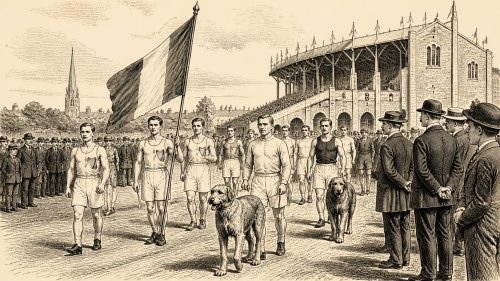
In 1924, the Irish Free State strengthened its authority after civil war. Government resistance to Liam Tobin’s Army Crisis affirmed civilian control and led towards a smaller professional army. New courts, policing and administrative laws established regular state institutions, while prosecutions for Civil War acts ended. The Boundary Commission began work amid nationalist expectations. Fiscal retrenchment, notably reduced old-age pensions, caused hardship. Railway legislation sought economic integration. Ireland competed independently at the Paris Olympics and hosted the Tailteann Games, projecting cultural confidence despite republican boycott. Irish-language education expanded. The year combined constitutional consolidation, austerity, unresolved partition and contested national self-presentation.
Read Article

Archived: 9 October 2026
Abstract
In 1925, the Boundary Commission exposed the limits of Free State hopes for revision of partition. After hearings across the frontier, leaked proposals for minor exchanges prompted Eoin MacNeill’s resignation. Cosgrave, Craig and Baldwin then agreed to preserve the border, ending the commission and easing the Free State’s debt liability. Northern Ireland’s election reaffirmed Unionist control. Meanwhile, the Free State consolidated administration through local government, housing, policing, courts, defence, electoral and rural legislation. Most ambitiously, the Shannon Electricity Act enabled construction at Ardnacrusha, launched in August. The hydro-electric scheme signalled state-led modernisation, despite finances and unemployment, contrasting disappointment with ambition.
Read Article
Archived: 9 October 2026
Abstract
In 1926, the Irish Free State consolidated its institutions amid demographic decline, political division and economic change. The first Free State census counted 2,971,992 people, confirming rural depopulation, emigration, agricultural dependence, Catholic predominance and limited Irish-language knowledge. Legislation addressed allotments, school attendance and shop hours while accommodating farm labour. Construction of the Shannon hydro-electric scheme at Ardnacrusha demonstrated technological ambition, though reliant on foreign expertise. Éamon de Valera’s break with Sinn Féin produced Fianna Fáil, establishing a new republican organisation. Partition endured, while Cosgrave’s government asserted greater Commonwealth equality at the Imperial Conference. Women participated in political and peace activism.
Read Article
Archived: 9 October 2026
Abstract
In 1927, Irish Free State politics moved decisively towards parliamentary competition. Fianna Fáil won 44 seats in June but initially refused the Oath of Allegiance. Kevin O’Higgins’s assassination at Booterstown exposed continuing republican violence, prompting the Public Safety Act. In August, de Valera and his deputies entered the Dáil, treating the oath as a political formula; September’s election established Fianna Fáil as the principal opposition. Government advanced land reform, liquor regulation, jury law and electrification. Partition remained entrenched, while diplomatic activity strengthened international status. Joyce’s Pomes Penyeach reflected Irish culture’s international reach. Unresolved divisions remained, but conflict shifted towards elections.
Read Article

Archived: 9 October 2026
Abstract
In 1928, the Irish Free State consolidated institutions after civil conflict through constitutional, administrative, economic and cultural measures. The Oireachtas abolished direct-democracy provisions, revised Seanad arrangements, increased old-age pensions and extended regulation of trade, agriculture, welfare, safety and forestry. New Saorstát banknotes and coinage displayed Irish symbols while retaining sterling parity. Construction of the Shannon hydroelectric scheme advertised modernisation before generation began. Major James Fitzmaurice joined the first east-to-west Atlantic flight, and Cosgrave signed the Kellogg–Briand Pact. Tailteann Games, Pat O’Callaghan’s Olympic victory, new Irish-language and cosmopolitan theatres, and gallery legislation promoted cultural visibility despite partition and deep political division.
Read Article


