Archived: 9 October 2026
Abstract
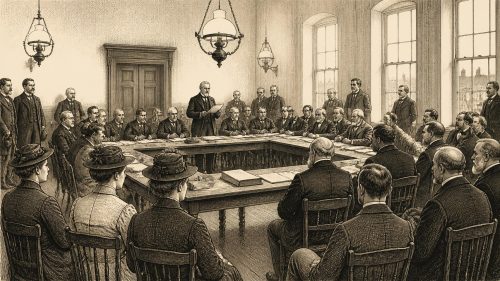
In 1899, Ireland saw institutional, cultural and political developments without resolving its constitutional future. Elections under the Local Government Act replaced grand-jury administration with elected county, rural and urban councils, widening participation though property restrictions remained. The Agriculture and Technical Instruction Act created a department to promote farming, fisheries, industry and education, associated with Horace Plunkett’s cooperative ideas. Dublin’s Irish Literary Theatre inaugurated productions amid controversy, while the Gaelic League’s Oireachtas demonstrated language-revival organisation. The Second Boer War exposed divided loyalties: Irish people served Britain, whereas nationalists supported the Boers. Together, these changes expanded Irish public life, debate and organisation.
Read Article
Archived: 9 October 2026
Abstract
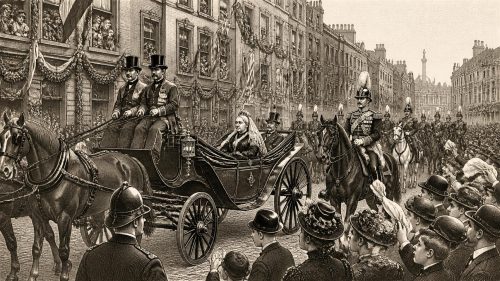
In 1900, Ireland remained under the Union, but competing imperial, nationalist, economic and cultural forces markedly intensified. Queen Victoria’s final Dublin visit and creation of the Irish Guards highlighted Irish participation in the Boer War, while nationalists opposed British rule and sympathised with the Boers. John Redmond reunited the Irish Parliamentary Party, which won most Irish seats, though restricted voting, uncontested constituencies and unionist government limited its effect. Horace Plunkett’s new agricultural department promoted rural improvement and co-operation. Nationalist women, Gaelic League activists and theatre practitioners expanded cultural organisation. Oscar Wilde died in Paris, a Dublin-born writer of global stature.
Read Article
Archived: 9 October 2026
Abstract
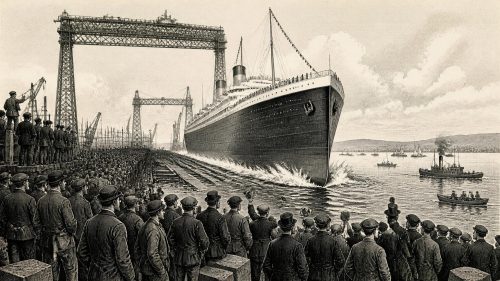
In 1901, Ireland remained within the United Kingdom, governed from Dublin Castle, while Edward VII’s accession exposed divided responses to imperial authority. Land reform continued through a limited Purchase of Land Act, amid unresolved congestion, rents and tenant demands. The census recorded 4,458,775 people, documenting demographic decline, regional contrasts, religion, literacy, occupations and 641,142 Irish speakers. Cultural nationalism expanded through Thomas O’Donnell’s parliamentary protest, the Gaelic League, GAA and Irish-language theatre. Belfast’s launch of the White Star liner Celtic demonstrated industrial and Atlantic connections. The year revealed enduring structures alongside political, social and cultural transformation at the century’s active opening.
Read Article

Archived: 9 October 2026
Abstract
In 1902, Ireland remained under United Kingdom rule, but the land question prompted an important shift towards conciliation. Following failed proposals and public initiatives by Lindsay Talbot Crosbie and Captain John Shawe-Taylor, landlord and tenant representatives met at Dublin’s Mansion House on 20 December. Chaired by Lord Dunraven, the conference explored voluntary land transfer, without resolving matters before year’s end. Agriculture, co-operation and official improvement shaped rural change, while regional economic differences persisted. Cultural nationalism also flourished through Cathleen ni Houlihan, Gaelic League events and Arthur Griffith’s abstentionist ideas. James Joyce’s departure for Paris suggested emerging cosmopolitan new literary ambitions.
Read Article
Archived: 9 October 2026
Abstract
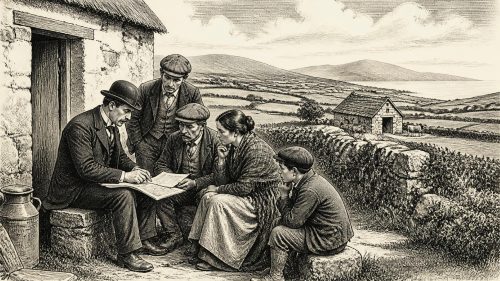
1903 in Ireland combined disruption, political ceremony and lasting reform. February storms damaged woodland, buildings and livelihoods. George Wyndham’s Land Purchase Act, following the Land Conference, used state-backed advances and landlord incentives to accelerate tenant ownership, though it neither ended poverty, congestion and labourers’ insecurity nor resolved Home Rule. It also divided nationalists over conciliation. Edward VII’s Irish tour attracted loyalist receptions but nationalist protest, revealing competing identities. Northern railway reorganisation and the Independent Orange Order reflected economic links and unionist tensions. Cultural revival, Trinity’s decision to admit women, and Dublin’s expanded electricity supply signalled uneven modernisation alongside rural inequality.
Read Article
Archived: 9 October 2026
Abstract
In 1904, Ireland remained under Westminster rule, yet political, economic and cultural initiatives widened debate over its future. Dunraven’s Irish Reform Association advocated limited administrative devolution, while the Irish Parliamentary Party pursued Home Rule and Arthur Griffith promoted Hungarian-inspired national self-reliance. The 1903 Land Act began transferring estates to tenants, alongside co-operative schemes and continuing hardship in congested districts. Gaelic League activities, the first official public camogie match, and the Oireachtas advanced cultural revival. On 27 December the Abbey Theatre opened in Dublin, establishing a permanent national stage. Industrial Belfast contrasted sharply with the mainly agricultural south and west regions.
Read Article
Archived: 9 October 2026
Abstract
In 1905, Irish politics exposed divisions over government and national identity. George Wyndham resigned after devolution proposals alienated both unionists and nationalists, while the Ulster Unionist Council strengthened northern organisation. On 28 November, the National Council adopted Arthur Griffith’s Sinn Féin policy, advocating Irish institutions, economic self-reliance and withdrawal from Westminster, though not yet republicanism. Land purchase continued, but emigration remained. Disputes over Irish teaching and postal usage demonstrated cultural revival’s political reach. Abbey Theatre productions, scholarly recovery and Belfast’s Presbyterian Assembly Buildings reflected institutional confidence. The A5 submarine disaster at Haulbowline killed six crewmen, bringing naval modernity’s dangers locally.
Read Article
Archived: 9 October 2026
Abstract
In 1906, Liberal victory left John Redmond’s Irish Parliamentary Party hopeful but unable to secure Home Rule, while James Bryce pursued administrative reform. The Labourers (Ireland) Act empowered local authorities to build cottages and plots, laying foundations for rural security. Dublin’s Iveagh Trust Baths expanded washing and recreation facilities, and licensing legislation restricted drinking hours. University education remained divided after Catholic bishops rejected a mixed Trinity arrangement. Cultural nationalism gained visibility through Douglas Hyde and Peter O’Connor’s Athens protest. Michael Davitt’s death recalled the Land War generation. The year exposed constitutional, social, religious and national tensions while creating welfare institutions.
Read Article
Archived: 9 October 2026
Abstract
In 1907 Ireland displayed contrasting modernities. Dublin’s Irish International Exhibition at Herbert Park celebrated industry, art and entertainment, while Belfast labour unrest, led by James Larkin, brought transport and docks near paralysis, prompted military intervention and police mutiny. Synge’s Playboy riots exposed disputes over national culture. Birrell’s limited Irish Council Bill collapsed after nationalist rejection, encouraging separatist alternatives. The Evicted Tenants Act and cooperative movement addressed rural hardship, though poverty persisted. Dublin Castle’s Crown Jewels vanished. Marconi’s Clifden station opened wireless links to Canada, illustrating Ireland’s role in technology. Overall, the year revealed stalled constitutional reform, competing visions of progress.
Read Article

Archived: 9 October 2026
Abstract
In 1908, Ireland remained within the United Kingdom, but institutional developments strengthened its public sphere. The Irish Universities Act created frameworks for the National University of Ireland and Queen’s University Belfast, addressing Catholic educational grievances while preserving regional distinctions. Patrick Pearse’s St Enda’s school promoted culturally nationalist bilingual education. Hanna Sheehy-Skeffington and Margaret Cousins founded the Irish Women’s Franchise League, demanding equal parliamentary voting rights. Hugh Lane’s Municipal Gallery and the Georgian Society advanced civic cultural memory, while Derry’s Guildhall fire exposed urban vulnerability. Tom Clarke’s Dublin return indicated emerging republican organisation, and impending old-age pensions promised limited social support.
Read Article


