
Archived: 19 September 2026
Abstract
31,215 BCE is a modern label for a point roughly 33,000 years ago, during the variable MIS 3 phase of the last Ice Age. Ireland contained shifting mosaics of ice, open tundra, wetlands and exposed ground, not a uniform ice cap. Derryvree deposits in Fermanagh preserve evidence of freshwater habitats, sedges, mosses and vegetation between glaciations. Castlepook Cave in Cork yielded Ice Age fauna, including mammoth, reindeer, giant deer, hyaena and bear. A possibly cut-marked reindeer bone may indicate Upper Palaeolithic human activity, but no tools, hearths or settlements confirm occupation. Evidence reveals ecological change, animal movement and archaeological uncertainty.
Read Article
Archived: 19 September 2026
Abstract
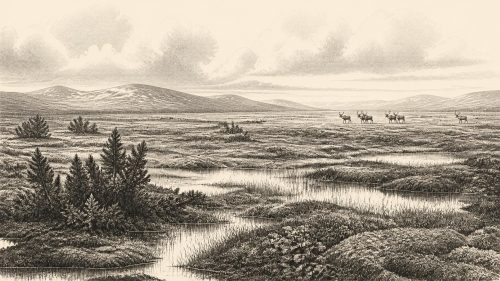
About 31,216 BCE, Ireland lay within Marine Isotope Stage 3, a variable cold interval rather than a precisely dated historical moment. At Derryvree near Maguiresbridge, freshwater sediments preserved beneath later tills record treeless, waterlogged tundra of sedges, mosses, herbs and shallow pools. Castlepook Cave’s broad contemporary fauna included mammoth, reindeer, giant deer, hyaena, wolves and cold-adapted small mammals, though deposits accumulated over time. A marked reindeer femur may indicate human carcass processing around 33,000 years ago, but cannot prove settlement or sustained occupation. Dynamic glaciation, uncertain routes and regional environmental variation defined conditions there for much of this remote period.
Read Article

Archived: 19 September 2026
Abstract
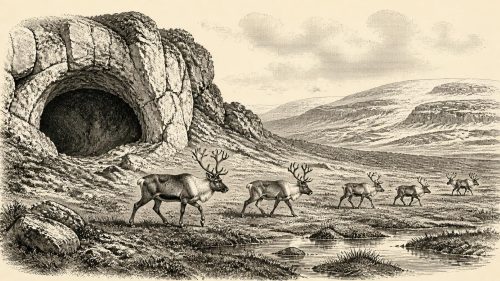
31,217 BCE is a modern, imprecise label for a Late Pleistocene interval, not a documented Irish year. During unstable MIS 3, Ireland experienced increasingly extensive glaciation, though conditions varied locally. Derryvree, County Fermanagh, preserves freshwater organic deposits between tills, indicating an ice-free, cold, wet, treeless landscape sometime around 36,900–31,700 cal BP. Castlepook Cave, County Cork, contains a long, mixed assemblage of Ice Age fauna, including mammoth, reindeer and predators. A possibly stone-cut reindeer femur may indicate fleeting human activity, but remains unconfirmed. Available evidence securely establishes environmental change and animal presence, not settlement, society, religion, routes or specific annual events.
Read Article
Archived: 19 September 2026
Abstract
Around 31,218 BCE, Ireland was a changing Late Pleistocene frontier rather than a stable, fully glaciated island. Ice margins, sea levels and open tundra-like habitats shifted repeatedly. Wetland deposits at Derryvree, County Fermanagh, preserve evidence of sedges, mosses, insects and cold-adapted plants between glacial episodes. Castlepook Cave, County Cork, yielded mixed remains of mammoth, reindeer, giant deer, hyaena, wolves and other fauna, though their dates and associations remain uncertain. A marked reindeer femur may indicate human butchery around 33,000 years ago, suggesting brief visits rather than proven settlement. The fragmentary record demands cautious interpretation of Ireland’s earliest possible human presence.
Read Article

Archived: 19 September 2026
Abstract
Labelled 31,219 BCE, this period in Ireland belongs to unstable Marine Isotope Stage 3, not a precisely knowable historical year. Castlepook, or Mammoth Cave, County Cork, preserves Ireland’s richest pre-Last Glacial Maximum vertebrate archive, although disturbed deposits and revised dating demand caution. Its mammoths, reindeer, giant deer, hyaenas and fauna indicate intermittent cold, open habitats, without proving a single contemporary landscape or route of arrival. A reindeer femur bearing a possible stone-tool incision may record butchery and a human presence. However, no settlement exists. Subsequent ice-sheet growth reshaped landscapes and erased evidence, leaving qualified environmental evidence and possible human trace.
Read Article
Archived: 19 September 2026
Abstract
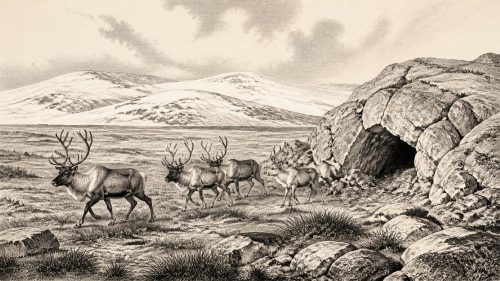
Circa 31,220 BCE is a notional date within the volatile Late Pleistocene, not a precisely recorded Irish year. Before the Last Glacial Maximum, Ireland contained shifting cold, open habitats supporting reindeer, mammoth, giant deer and carnivores. Castlepook Cave in County Cork preserves remains from this fauna, though early excavation and disturbed deposits limit interpretation. A reindeer femur, dated roughly 33,000 years ago, bears a possible stone-tool cut mark. If confirmed, it may indicate brief Upper Palaeolithic human carcass processing, rather than settlement. Expanding ice later transformed landscapes and erased evidence, leaving a rare record of prehistoric ecology and human presence.
Read Article

Archived: 19 September 2026
Abstract
Around 31,221 BCE, Ireland was in the unstable MIS 3 phase of the Late Pleistocene, not a period permitting year-specific history. At Derryvree, County Fermanagh, the BIRM-166 deposit records a freshwater, vegetated interval between glacial advances, broadly dated to 36,900–31,700 cal BP. Its pollen, plants and insects indicate cold, open wetland habitats rather than continuous ice cover. Cave remains in County Cork show varied Ice Age fauna. A marked reindeer femur may indicate human butchery around 33,000 years ago, but cannot prove settlement or society. Expanding ice later destroyed or buried much evidence, leaving a fragmentary environmental record of change.
Read Article

Archived: 19 September 2026
Abstract
About 31,222 BCE, Ireland lay in the unstable later stages of Marine Isotope Stage 3, approaching expansion of the British–Irish Ice Sheet. Derryvree, County Fermanagh, preserves a freshwater organic bed between tills, recording a brief ice-free periglacial wetland with tundra plants, mosses, insects and sparse vegetation. Southern caves, notably Castlepook in County Cork, yielded diverse cold-climate fauna, including mammoth, reindeer, giant deer and carnivores, though remains accumulated over long periods. A possibly cut-marked reindeer bone suggests fleeting human visitation around 33,000 years ago, not permanent settlement. Renewed glaciation eventually buried habitats, causing local ecological displacement or extinction before later recolonisation.
Read Article
Archived: 19 September 2026
Abstract
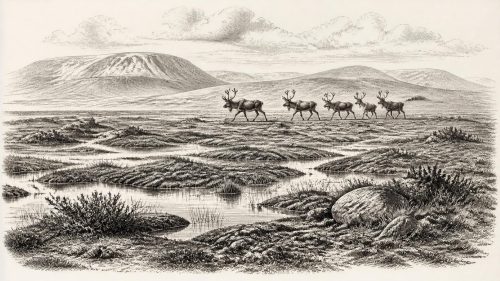
Although 31,223 BCE cannot identify an Irish event, it falls within unstable Marine Isotope Stage 3. Derryvree, County Fermanagh, preserves freshwater sediments dated broadly to 36,900–31,700 years before present, between glacial tills, demonstrating a local ice-free interval. Plant and insect remains reconstruct treeless, frost-affected tundra wetland with pools, sedges and mosses. Castlepook Cave fauna indicates periodic access for reindeer, mammoth, giant deer, predators and scavengers. No secure evidence proves human settlement; a possibly tool-marked reindeer bone suggests only tentative brief visitation. Later ice expansion destroyed or buried landscapes, leaving sparse evidence of ecological change rather than society, politics or culture.
Read Article

Archived: 19 September 2026
Abstract
31,224 BCE cannot be reconstructed as a precise Irish year, because evidence is sparse and chronologies broad. Derryvree, County Fermanagh, preserves a freshwater deposit indicating locally ice-free, tundra-like wetland conditions before later glaciation. Castlepook Cave in County Cork contains varied cold-stage fauna, including reindeer, mammoth, giant deer, predators and smaller animals, accumulated over millennia rather than one event. A cut-marked reindeer femur may indicate very early human butchery, but does not prove settlement or a permanent population. Changing ice, sea levels and uncertain routes governed access. Ireland was an environmentally varied, highly archaeologically elusive Late Pleistocene landscape at this time.
Read Article

