
Archived: 26 September 2026
Abstract
In 1209, Ireland remained politically divided between King John’s lordship, centred on Dublin and Anglo-Norman estates, and competing Gaelic dynasties. John de Grey, acting justiciar, strengthened royal administration, while Dublin’s developing castle symbolised expanding governance. The later tradition of Black Monday recalled settlers’ vulnerability beyond the city walls, though its details are uncertain. Warfare in Inishowen between Ó Néill and Ó Domnaill forces demonstrated contested northern borderlands. In Desmond, Finghin Mac Carthaigh’s killing during a booty dispute triggered succession change; Breifne likewise saw rival Ó Ruairc claimants. Ecclesiastical deaths and everyday economic obligations underscore communities affected by unstable, negotiated power.
Read Article
Archived: 26 September 2026
Abstract
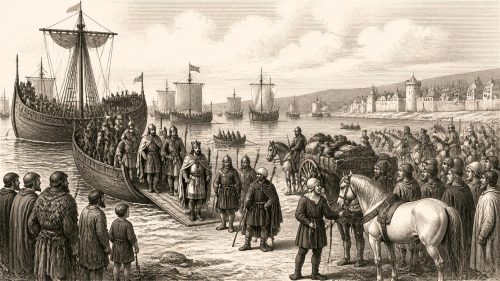
In 1210 King John launched a 63-day expedition to Ireland, asserting authority over Anglo-Norman magnates and seeking alliances with Gaelic rulers. Landing at Waterford, he received Donnchadh Ua Briain and Cathal Crobhdearg Ua Conchobair, then advanced through Dublin, Meath and Ulster. Walter and Hugh de Lacy were dispossessed; Carrickfergus fell to royal forces, while Man suffered punitive attack. John expanded administration, installed John de Grey, promoted castles and a bridge at Athlone, and supported royal coinage. Yet hostage-taking damaged relations with Connacht, Gaelic submissions remained conditional, and regional conflicts continued. The campaign strengthened royal control but left divided politics unresolved.
Read Article

Archived: 26 September 2026
Abstract
In 1211, King John’s Irish lordship remained fragile despite his previous campaign against the de Lacys. John de Gray, royal justiciar, sought to consolidate control through castles, garrisons, revenue collection and alliances, as recorded in the Irish Pipe Roll. At Athlone, Richard de Tuit and eight others died when a new tower collapsed, highlighting frontier tensions and disputes over church land. In the north, Áed Méith Ua Néill repelled foreign forces at Narrow Water, demonstrating organised resistance. Irish rulers negotiated through hostages and temporary agreements. Royal power expanded through administration and fortification, but Ireland remained a patchwork of competing jurisdictions.
Read Article

Archived: 26 September 2026
Abstract
Ireland’s 2025 combined economic strength with social and infrastructural pressures. Micheál Martin returned as Taoiseach, leading a Fianna Fáil–Fine Gael coalition supported by independents, which prioritised housing, services, security and competitiveness. Ireland pursued prominent legal and diplomatic action concerning Gaza, while Shared Island and research funding encouraged practical north–south cooperation. Population growth, employment and tax revenues intensified demand for homes, schools and healthcare. Housing completions rose, alongside a new long-term building plan and planning reforms. Cultural and language initiatives continued. Storm Éowyn caused severe disruption, and an exceptionally warm year highlighted climate risks. Dependence on multinational corporation tax remained vulnerability.
Read Article
Archived: 26 September 2026
Abstract
Ireland’s 2024 combined constitutional rebuff, electoral change and social pressures. In March, voters rejected Family and Care amendments, citing unclear wording and limited practical value. Simon Harris succeeded Leo Varadkar as Taoiseach, while local, European and November general elections produced fragmented representation; government formation remained unresolved. Population growth and migration intensified housing, service and international-protection accommodation shortages despite construction and economic resilience. Cuan expanded domestic-violence provision. Ireland recognised Palestine, challenged UK legacy legislation, and Northern Ireland’s Executive returned. Cultural achievements included Cillian Murphy’s Oscar. Education initiatives and a stormy year highlighted environmental concerns, reinforcing tensions between activity and inadequate capacity.
Read Article

Archived: 26 September 2026
Abstract
In 2020, Ireland experienced political realignment, pandemic emergency and Brexit transition. February’s inconclusive election saw Sinn Féin lead first-preference votes, Fianna Fáil win most seats, and caretaker Taoiseach Leo Varadkar govern until Fianna Fáil, Fine Gael and Greens formed an unprecedented coalition under Micheál Martin in June. COVID-19 transformed daily life: closures, lockdowns, the two-kilometre exercise rule, remote work and restricted funerals accompanied 1,928 deaths. Schools adopted remote teaching and calculated Leaving Certificate grades; emergency payments addressed severe job losses amid housing pressure. Northern Ireland restored devolution; Brexit ended in EU-UK trade agreement; Ireland returned to Level 5 awaiting vaccination.
Read Article

Archived: 26 September 2026
Abstract
In 2019, Ireland faced Brexit, social reform and uneven recovery. The Government enacted contingency legislation and pursued arrangements preventing a hard border, while the revised Northern Ireland Protocol replaced the backstop, though Brexit remained unresolved. Lyra McKee’s murder in Creggan exposed continuing dissident violence and Northern Ireland’s institutional vacuum, during which Westminster advanced abortion and marriage equality reforms. Republic voters liberalised divorce rules, and abortion services began. Employment and population grew, but homelessness and housing pressures persisted. Climate emergency measures and the National Broadband Plan signalled policy ambitions. First Dáil centenary commemorations connected democratic origins, revolutionary conflict, and constitutional uncertainty.
Read Article
Archived: 26 September 2026
Abstract
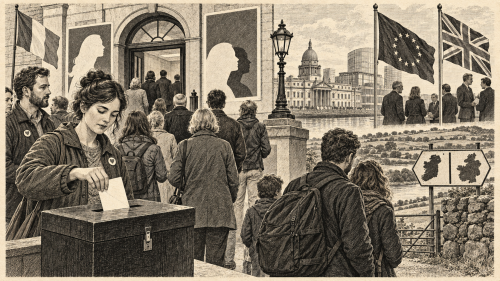
In 2018, Ireland experienced major constitutional, social and political change amid economic growth and persistent inequality. In May, voters repealed the Eighth Amendment by 66.4 per cent, enabling legislation for abortion services from 2019; October also removed blasphemy from the Constitution and returned Michael D. Higgins as President. Brexit negotiations centred on an Irish border backstop, while Northern Ireland remained without devolved government. Housing shortages and homelessness intensified despite Project Ireland 2040 and new development initiatives. Pope Francis’s visit highlighted abuse-related criticism of the Church. Alcohol legislation, broadband planning and severe autumn storms further shaped a consequential, unresolved national year.
Read Article

Archived: 26 September 2026
Abstract
In 2004, Ireland’s EU Presidency culminated in Phoenix Park’s welcome for ten new member states and agreement on a proposed European constitution. At home, prosperity, migration and infrastructure expansion reshaped society: Dublin’s Luas lines opened, while a workplace smoking ban transformed pubs and other enclosed venues. Voters approved the Twenty-seventh Amendment, ending unconditional birthright citizenship and leading to new nationality legislation. Elections strengthened Fine Gael and gave Sinn Féin its first European seat. Diarmuid Martin became Archbishop of Dublin, and Scouting Ireland formed. Northern Ireland’s institutions remained suspended; failed talks, paramilitary concerns and the Northern Bank robbery further deepened mistrust.
Read Article

Archived: 26 September 2026
Abstract
In 2003, Ireland debated neutrality as United States forces continued using Shannon Airport during the Iraq invasion, prompting protests, parliamentary conflict and an unsuccessful legal challenge. Northern Ireland’s devolved institutions remained suspended despite British-Irish initiatives and IRA decommissioning; November’s election advanced the DUP and Sinn Féin. The Special Olympics World Summer Games, hosted across Ireland, celebrated athletes with intellectual disabilities and volunteering, while Tyrone won an Ulster all-Ireland final. Slowing Celtic Tiger growth nevertheless brought housing construction, immigration and pressure on services. Government plans for smoking restrictions provoked debate, and the Derrybrien peat slide exposed risks associated with wind-energy development.
Read Article
