Archived: 26 September 2026
Abstract
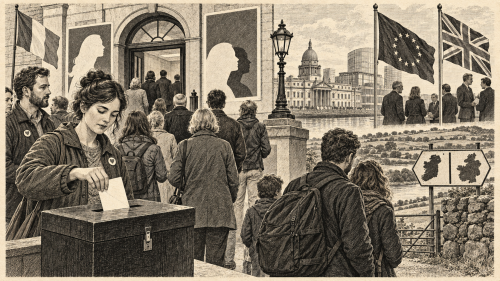
In 2018, Ireland experienced major constitutional, social and political change amid economic growth and persistent inequality. In May, voters repealed the Eighth Amendment by 66.4 per cent, enabling legislation for abortion services from 2019; October also removed blasphemy from the Constitution and returned Michael D. Higgins as President. Brexit negotiations centred on an Irish border backstop, while Northern Ireland remained without devolved government. Housing shortages and homelessness intensified despite Project Ireland 2040 and new development initiatives. Pope Francis’s visit highlighted abuse-related criticism of the Church. Alcohol legislation, broadband planning and severe autumn storms further shaped a consequential, unresolved national year.
Read Article

Archived: 26 September 2026
Abstract
In 2004, Ireland’s EU Presidency culminated in Phoenix Park’s welcome for ten new member states and agreement on a proposed European constitution. At home, prosperity, migration and infrastructure expansion reshaped society: Dublin’s Luas lines opened, while a workplace smoking ban transformed pubs and other enclosed venues. Voters approved the Twenty-seventh Amendment, ending unconditional birthright citizenship and leading to new nationality legislation. Elections strengthened Fine Gael and gave Sinn Féin its first European seat. Diarmuid Martin became Archbishop of Dublin, and Scouting Ireland formed. Northern Ireland’s institutions remained suspended; failed talks, paramilitary concerns and the Northern Bank robbery further deepened mistrust.
Read Article

Archived: 26 September 2026
Abstract
In 2003, Ireland debated neutrality as United States forces continued using Shannon Airport during the Iraq invasion, prompting protests, parliamentary conflict and an unsuccessful legal challenge. Northern Ireland’s devolved institutions remained suspended despite British-Irish initiatives and IRA decommissioning; November’s election advanced the DUP and Sinn Féin. The Special Olympics World Summer Games, hosted across Ireland, celebrated athletes with intellectual disabilities and volunteering, while Tyrone won an Ulster all-Ireland final. Slowing Celtic Tiger growth nevertheless brought housing construction, immigration and pressure on services. Government plans for smoking restrictions provoked debate, and the Derrybrien peat slide exposed risks associated with wind-energy development.
Read Article
Archived: 26 September 2026
Abstract
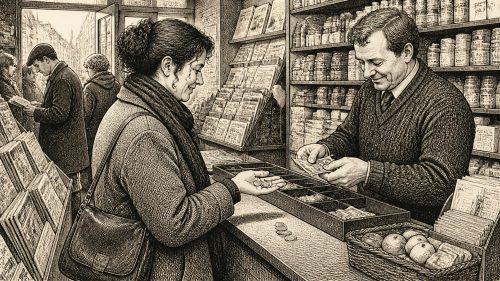
In 2002, euro notes and coins replaced the Irish pound, symbolising deeper European integration. Ireland’s Celtic Tiger economy remained strong in GDP terms, but weak GNP growth exposed dependence on foreign-owned firms. Census results recorded rapid population growth, immigration and Dublin-centred expansion, straining housing and services. Voters rejected tighter abortion provisions but approved the Nice Treaty, enabling EU enlargement. Bertie Ahern’s coalition won re-election. Clerical abuse controversies intensified scrutiny of Church authority. Northern Ireland’s institutions faltered despite IRA decommissioning, leading to suspension of devolved government. Ireland’s World Cup run provided national unity amid profound wider social, economic and constitutional change.
Read Article
Archived: 26 September 2026
Abstract
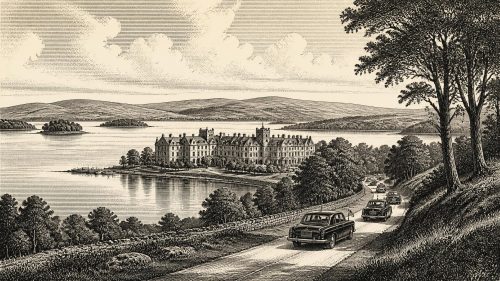
In 2013, Ireland combined cautious economic recovery with public reckoning. The Fine Gael–Labour government restructured IBRC debt, chaired the EU Council, introduced Local Property Tax, promoted tourism through the Gathering, and exited the EU–IMF bailout. Yet unemployment, emigration and household strain persisted. Following the McAleese Report, Enda Kenny apologised to Magdalen laundry survivors and backed redress. The Protection of Life During Pregnancy Act legislated limited abortion provision. Constitutional debates included marriage equality and referendums retaining the Seanad while creating a Court of Appeal. Lough Erne hosted the G8, while Northern Ireland faced flag and parade tensions. Seamus Heaney was mourned.
Read Article

Archived: 26 September 2026
Abstract
In 2009, Ireland’s property-led collapse prompted State intervention, including Anglo Irish Bank’s nationalisation, pension deductions and NAMA legislation. Employment and construction fell sharply, while unemployment and household insecurity increased. Voters approved Lisbon Treaty after EU guarantees addressed earlier concerns. Dissident republican killings tested Northern Ireland’s peace settlement, though leaders condemned them. Ryan and Murphy reports exposed institutional and clerical abuse, accelerating demands for accountability and reform. Civil partnership legislation was introduced but not enacted. H1N1 influenza and severe flooding compounded hardship, whereas Ireland’s Six Nations Grand Slam provided national celebration. The year reshaped relations between State, society, Church and Europe.
Read Article
Archived: 26 September 2026
Abstract
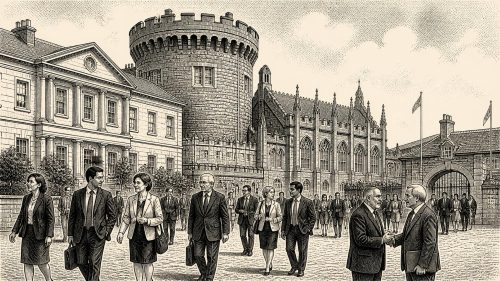
In 2008 Ireland moved from Celtic Tiger confidence to recession and banking crisis. Bertie Ahern resigned, succeeded by Brian Cowen, while Brian Lenihan became Finance Minister. Voters rejected the Lisbon Treaty, delaying European ratification, yet Dublin successfully concluded the Convention on Cluster Munitions. Northern Ireland's devolved institutions endured Paisley’s replacement by Peter Robinson, though policing and justice remained unresolved. Construction collapse, unemployment and falling revenues exposed economic fragility, prompting an austerity-focused budget. On 29–30 September, government guaranteed liabilities of six Irish banks, tying public finances to their losses. New trafficking, welfare and transport laws nevertheless reflected institutional activity amid uncertainty.
Read Article

Archived: 26 September 2026
Abstract
In 2006, Ireland’s boom brought record housebuilding, low unemployment, migration and pressure on infrastructure and services. The census recorded 4,239,848 people, with non-Irish nationals comprising about one tenth, reflecting profound social and religious change. Government responded through employment-permit, strategic-planning and social-partnership measures, while the Dublin Port Tunnel opened to improve freight access. In Northern Ireland, the St Andrews Agreement created a route towards restoring devolved power-sharing, although Stormont remained suspended; a Transitional Assembly began preparatory work. The High Court rejected recognition of Katherine Zappone and Ann Louise Gilligan’s Canadian marriage. Europe’s Ryder Cup victory at the K Club projected confidence.
Read Article
Archived: 26 September 2026
Abstract
In 2005, Ireland’s transformation exposed tensions between peace, prosperity and accountability. The Provisional IRA ended its armed campaign and decommissioned its entire arsenal, although Northern Ireland’s devolved institutions remained suspended amid distrust following the Northern Bank robbery and Robert McCartney’s murder. In the Republic, the new Health Service Executive, citizenship rules and Disability Act reflected institutional and demographic change. Celtic Tiger growth, construction and immigration reshaped society, while the Irish Ferries dispute highlighted labour standards. Imprisonment of the Rossport Five crystallised opposition to the Corrib gas project. Cork’s cultural year and Irish’s EU recognition affirmed cultural confidence and European standing.
Read Article
Archived: 26 September 2026
Abstract
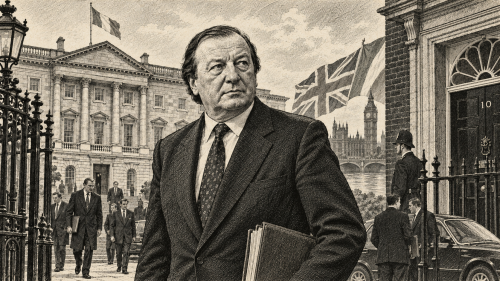
In 1991, Ireland combined tentative recovery with political instability and continuing conflict. Dublin’s European City of Culture programme promoted the capital’s contemporary artistic identity, despite criticism of its visibility and reach, and supported Temple Bar’s emergence as a cultural quarter. The Fianna Fáil–Progressive Democrats coalition was strained as Taoiseach Charles Haughey dismissed finance minister Albert Reynolds, replacing him with Bertie Ahern. Fiscal restraint and social partnership reduced borrowing and inflation, but unemployment reached about 14.7 per cent and insecurity persisted, although emigration eased. The IRA’s Downing Street mortar attack underscored the Troubles’ reach, while negotiations continued without a peace breakthrough.
Read Article
