Archived: 8 November 2026
Abstract
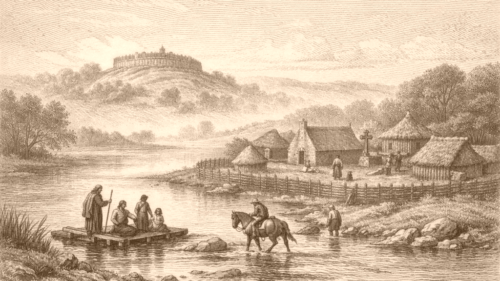
Year WitnessThe year 627 appears in the annals as a brief cluster of notices, not as a continuous narrative. In the Four Masters, the entry is explicitly marked as the Age of Christ 627 and as the fourth year of Domhnall. It then records the battle of Ath Abla, the death of Dicul son of Fearghus at the hands of the Munstermen, and the foundation of Inis Medcoit by Bishop Aedhan.Chronicon Scotorum also preserves a 627 entry, but its contents are different. In the supplied excerpt, the year is marked under the Kalends and then records the battle of Ard
Read Article
Archived: 8 November 2026
Abstract
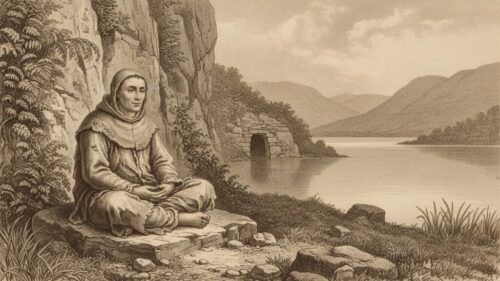
Saint Kevin of Glendalough was a pivotal figure in early Irish Christianity, credited with founding one of the most significant monastic settlements in Europe during the sixth century. While historical records from his era are sparse, tradition preserves the story of a man deeply committed to asceticism, solitude, and a profound harmony with the natural world. He is primarily remembered as the abbot who established the monastic city at Glendalough in County Wicklow. Early Life Tradition identifies Kevin's parents as Caomhlugh and Caoimheall. According to hagiographical accounts, his early years were marked by spiritual promise; legendary narratives describe a blessing
Read Article
Archived: 7 November 2026
Abstract
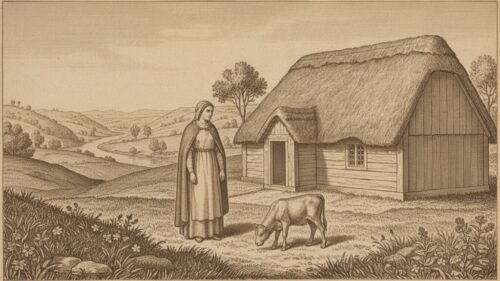
Saint Brigid of Kildare remains one of the most enduring and venerated figures in Irish spirituality. Often regarded as a pillar of Irish faith alongside Saint Patrick, she is celebrated as the foundress of the monastery at Kildare. While her popular image is steeped in hagiography and folklore, the historical Brigid is reconstructed through a series of early Latin and Old Irish texts, most notably the Vita Prima and the Vita II by Cogitosus. These documents portray her not only as a pious woman but as a powerful leader who navigated the complex social and religious landscape of early medieval
Read Article
Archived: 7 November 2026
Abstract
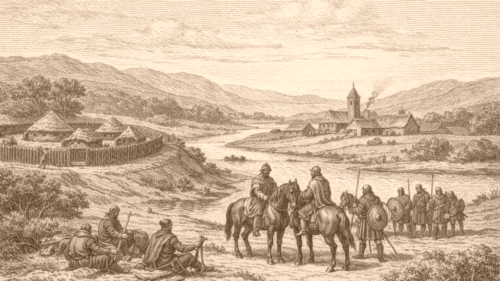
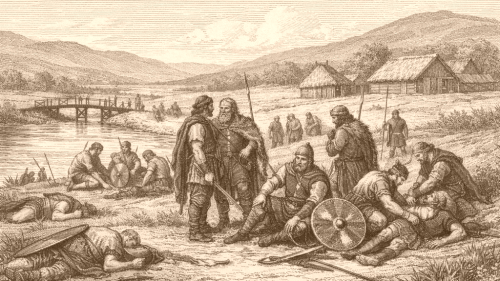
Year DatingThe clearest single marker for 628 comes from the Annals of Ulster, which labels the entry as the Kalends of January and states that it is AD 627, alias 628. In that same notice the year is attached to a sequence of events: a battle at Bolg Luatha, another at Both, the slaying of Suibne Menn, the repose of Colum son of Bairdéne, the killing of Cuiméne son of Colmán, the devastation of Laigin by Domnall, and Domnall son of Aed son of Ainmire beginning to reign. This is the firmest chronological anchor among the excerpts.That same cluster is
Read Article
Archived: 7 November 2026
Abstract
Year FrameFor 629 CE, the annalistic record opens only a narrow window. One Tigernach entry is placed under T629 and reports a battle at Ard Corann. A separate comparative notice says that the same event appears in the Annals of Ulster as 629, while Tigernach places it in 630. That is enough to discuss the year, but only by staying close to the wording of the texts and not by filling the gap with invented detail.The year can therefore be treated as a dated notice rather than a full narrative. The surviving wording names a battle, identifies a victor, and
Read Article
Archived: 7 November 2026
Abstract
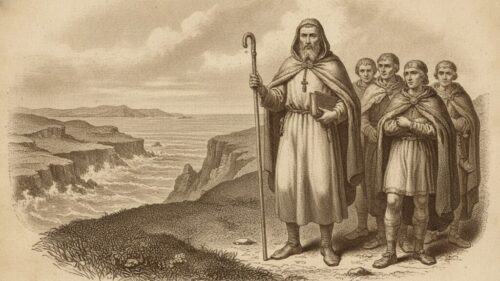
The historical figure of Saint Patrick remains partially obscured by the passage of time, yet the most reliable evidence comes from his own writings. According to his Confessio, Patrick was born in Britain, likely in the southwest region or Wales, during the late fourth or early fifth century. He describes himself as the son of a deacon, indicating a background with some connection to the church, though modern scholars suggest he may have also been involved in Roman imperial administration or taxation. At the age of sixteen, his life took a dramatic turn when he was captured by Irish raiders.
Read Article
Archived: 7 November 2026
Abstract
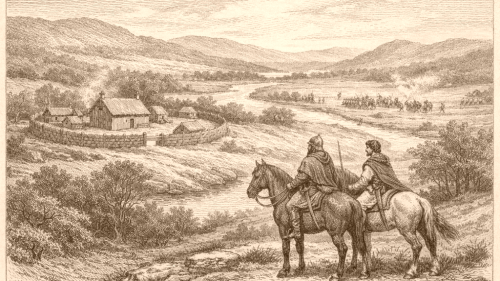
Year EvidenceFor 630 CE, the evidence is annalistic rather than narrative, and the surviving notices are short. The Annals of Ulster provide a year-heading for AD 630 and attach to it only one battle notice and one death notice. That limits what can be said securely about the year itself. The surviving record here is not a continuous chronicle of political life, but a sequence of dated items whose scope depends on each annal's own entry for the year.The same year is represented more fully in the Annals of Tigernach and in the Annals of the Four Masters, both of
Read Article
Archived: 7 November 2026
Abstract
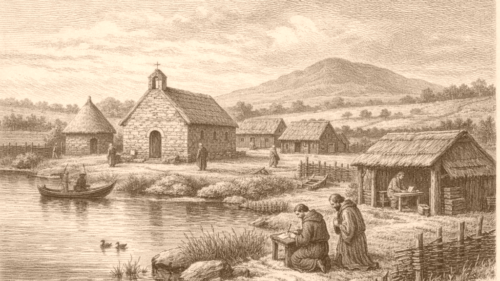
Yearly RecordFor 631 CE, the surviving notices are short and uneven. The Annals of Tigernach preserves only the year heading for T631 in the excerpt here, with no event notice attached in the visible passage. By contrast, the Annals of the Four Masters and the Annals of Inisfallen both supply specific entries for the same year. This makes 631 visible chiefly as a moment of record, not as a year with many securely dated events.The same material also shows that the year was not recorded in only one way. The Four Masters assigns 631 to the eighth year of Domhnall
Read Article
Archived: 7 November 2026
Abstract
Year EvidenceFor 632 CE, the safest starting point is the annal entry itself. In the Annals of Tigernach, the year is marked by a compact cluster of notices: the battle of Fid Eoin, the death of Eochaidh Buidhe son of Aedán, the battle of Dún Cethirn, and another death notice. Because annalistic dating is terse and often compressed, these entries form the secure core for the year. Anything beyond them depends on comparison and caution rather than direct statement.The broader annalistic landscape shows why restraint is necessary. Nearby years in the same tradition continue to list battles, deaths, and rulership
Read Article
Archived: 6 November 2026
Abstract
Yearly FrameThe annalistic evidence for 633 CE in the retrieved material is extremely slight. In the Annals of the Four Masters, the year entry states only that Failbhe Flann, king of Munster, died. That is the secure core of the year’s record here. No second event is attached to the same year in this witness, and no explanatory detail follows the notice. A careful account must therefore begin from the fact of the death and from the limits of the record, not from any imagined fuller story.This brevity is not a defect in the historian’s work but a condition of
Read Article
