Archived: 9 November 2026
Abstract
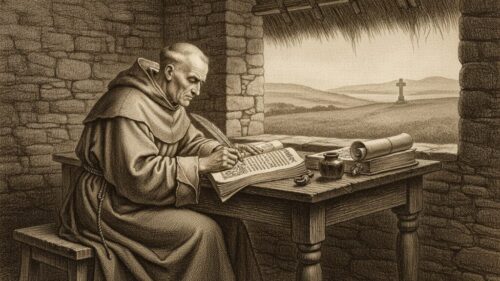
Saint Finnian of Clonard was a pivotal figure in the establishment of early Irish monasticism, traditionally regarded as one of the fathers of the monastic movement alongside Enda of Aran. While the exact dates of his life remain subject to historical uncertainty, tradition often cites his birth around 470 in the Kingdom of Leinster, specifically near present-day New Ross. He is described as the son of Findlog and a member of the Clanna Rudhraighe from the Ulaid. His early spiritual development began under the guidance of Bishop Fortchern of Trim, following his baptism by Abban. Continental Study Tradition suggests that
Read Article
Archived: 9 November 2026
Abstract
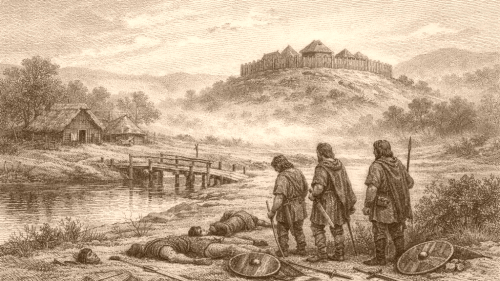
Dating EvidenceThe clearest secure evidence for AD 621 is the Annals of Ulster year block headed with that date. In the surviving entry, the notices follow one another without day-level dating and name Cenn Deilgthen, Conaing son of Aedán, several deaths, Lindas, Caemgein of Glenn dá Locha according to some, Cennbag, Ailill son of Cellach, and Colgu son of Cellach. The record is terse, but the year itself is explicit.That same block also shows the limits of what can be said with confidence. The passage offers a sequence of notices, yet it does not explain how they relate to one
Read Article
Archived: 9 November 2026
Abstract
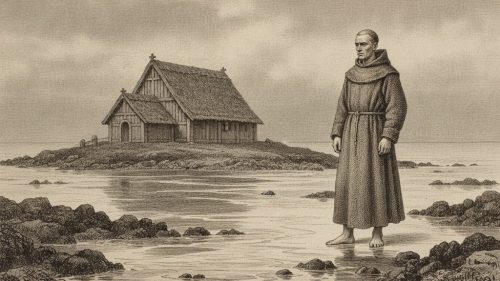
Saint Aidan of Lindisfarne was a pivotal figure in the early medieval Christianisation of Northern Britain. Born in Ireland around 590 AD, he spent his early years as a monk on the island of Iona, off the west coast of what is now Scotland. This monastery, founded by Columba, served as a primary centre for the Irish Church and became the spiritual home for Aidan during his youth. While very little is known of his earliest life, his tenure at Iona prepared him for the missionary work that would eventually define his legacy in the kingdom of Northumbria. Royal summons
Read Article
Archived: 9 November 2026
Abstract
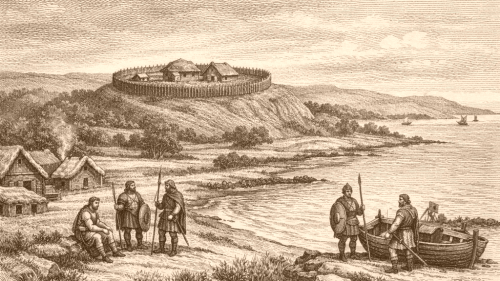
Year EntryThe year 622 appears in these annals as a set of brief notices rather than a single connected story. Ulster opens with the year label and then lists a battle, a drowning, deaths, another battle, and further deaths. The Four Masters similarly mark 622 and continue with battles and obits. In both witnesses, the year heading is the secure anchor, while the notices remain compact and separate.Inisfallen also preserves the year, but it does so through later cross-references to AU 622. Those references attach Cennbag and Cenn Delgthen to the same year as Ulster. The wording is not identical
Read Article
Archived: 9 November 2026
Abstract
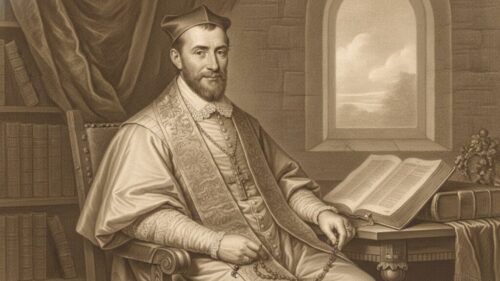
Early LifeOliver Plunkett was born on 1 All Saints' Day in 1625 at Loughcrew, Oldcastle, in County Meath. He was a member of the influential Plunkett clan and was of Irish Norman ancestry, which connected him to many members of the ancient nobility of Ireland. His father, John, served as the Baron of Loughcrew, overseeing an estate that included a tower house, a corn mill, and an adjoining church. His mother, Thomasina, hailed from the well-connected family of the Earls of Roscommon. Through these parental ties and the Dillon family, Oliver maintained close bonds with senior aristocratic branches of the
Read Article
Archived: 9 November 2026
Abstract
Yearly FrameThe year 623 CE survives in the annals as a cluster of short notices rather than a continuous narrative. In the Annals of Ulster, the annual slot marked AD 622 includes the death of Fergna, abbot of Í, the repose of Mac Laisre, abbot of Ard Macha, and Finnia, abbot of Ner, before the storming of Ráth Guala by Fiachna son of Baetán. The sequence is compact and factual, with no explanatory link between the items.The Annals of Inisfallen and the Annals of the Four Masters place nearby notices under their own year labels rather than under a single
Read Article
Archived: 8 November 2026
Abstract
Year MarkersThe year 624 CE is fixed most clearly in the Annals of Ulster, where the calendrical notice gives AD 624 and immediately characterizes the year as dark. That opening does not narrate events in itself, but it does frame the notices that follow as belonging to that year. The same compilation then lists several deaths under the same year heading, allowing the year to be identified without importing material from elsewhere.The Annals of the Four Masters also mark the year explicitly, giving the Age of Christ, 624, and then noting the first year of Domhnall, son of Aedh, son
Read Article
Archived: 8 November 2026
Abstract
Year MarkersThe annalistic record for 625 CE is compact, and its most explicit year-marker comes from the Annals of Ulster, which opens the entry with the kalends of January and then describes the year as dark. That same notice places several deaths in the year: Áedán son of Cumuscach, Colmán son of Comgallán, Rónán son of Tuathal, and Mongán son of Fiachna of Lurga. The entry also preserves a poetic aside attached to those deaths.A parallel compilation, the Annals of Inisfallen, presents the same year with a different selection of notices. Its 625 entry records the repose of Colmán Stélláin,
Read Article
Archived: 8 November 2026
Abstract
Yearly FrameThe clearest evidence for 626 CE comes from the annal entries that explicitly mark the year in their own sequence. The Annals of Ulster place several notices under AD 626, including a battle at Ard Corann, a battle at Carn Feradaig in Cliu, and a vision seen by Fursa. The same textual frame also identifies the death of Fiachna son of Demán within that year, so the surviving record is not empty, only brief and selective.The year is also legible through adjacent annal traditions, though not every entry stands in the same place in every compilation. The Annals of
Read Article
Archived: 8 November 2026
Abstract
Year WitnessThe year 627 appears in the annals as a brief cluster of notices, not as a continuous narrative. In the Four Masters, the entry is explicitly marked as the Age of Christ 627 and as the fourth year of Domhnall. It then records the battle of Ath Abla, the death of Dicul son of Fearghus at the hands of the Munstermen, and the foundation of Inis Medcoit by Bishop Aedhan.Chronicon Scotorum also preserves a 627 entry, but its contents are different. In the supplied excerpt, the year is marked under the Kalends and then records the battle of Ard
Read Article
