Archived: 24 October 2026
Abstract
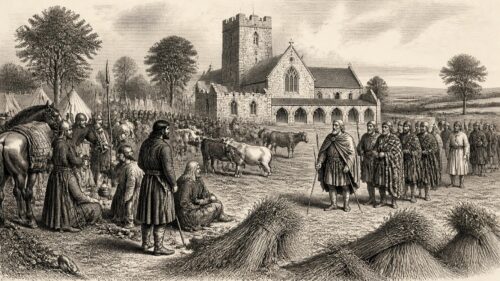
In 1296, Connacht suffered a violent Ó Conchobair succession struggle. Áed son of Eógan was deposed for Conchobar Ruad, whose supporters seized hostages and ravaged Cairbre, including churches. Backed by Uilliam and Theobald Burke, Áed assembled at Boyle Abbey, plundering grain and livestock, before alliances shifted again. Conchobar was killed at Cend Ceti, restoring Áed; his rival’s son was later blinded. Ecclesiastical deaths and burials stressed Boyle and Ballintober’s importance. Meanwhile, Irish magnates and troops joined Edward I’s Scottish invasion, criticised by annalists for sacrilege. Reports of weather and cattle disease illustrate insecurity surrounding food, livestock, lordship and religious institutions.
Read Article

Archived: 26 September 2026
Abstract
In 1076, Ireland experienced fragile kingship, regional warfare, religious losses and food scarcity. Murchad Ua Mael Sechlainn claimed Tara’s supremacy at Kells but was killed after three days and nights by Amlaíb of Gailenga; Amlaíb was subsequently slain, reportedly through Colum Cille’s justice. Tairdelbach Ua Briain invaded Connacht, imprisoned Ruaidrí Ua Conchobair, then released him as a dependent ruler, demonstrating Munster’s limited ascendancy. Northern and midland rulers were killed in conflicts, including at Devenish. Churchmen, Gormlaith, queen of Munster, and scholars died. Scarcity threatened farming communities, while Ua Briain control of Dublin strengthened their power. The annals portray unstable authority.
Read Article

Archived: 26 September 2026
Abstract
In 1044 Ireland remained politically fragmented, with provincial kings, local dynasties, Norse-Irish Dublin and influential churches competing through raids, tribute, hostages and violence. Northern rulers avenged the unexplained profanation of Patrick’s Bell by seizing cattle and captives, demonstrating how sacred legitimacy supported political gain. Dublin’s Ímar mac Arailt attacked Patrick’s shrine and campaigned in the north. Clonmacnoise suffered plundering, while later tradition reports restitution by Donnchad mac Briain. Dynastic killings, blinding and regional defeats reshaped alliances across Ireland. Annals also record religious deaths, learning and rural life, revealing cattle, captives and monasteries as central sources of wealth, authority and conflict.
Read Article
Archived: 26 September 2026
Abstract
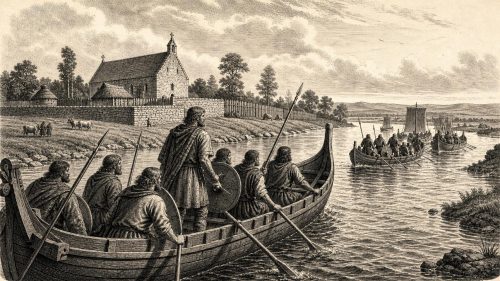
In 1035, Ireland comprised competing regional kingdoms, with no universally accepted high king since 1022. Annals record raids, killings and church plundering, though clerical priorities obscure ordinary life. Donnchad mac Briain defeated Bréifne raiders after their attack on Clonfert, demonstrating the Shannon’s military importance. In Dublin, Sitriuc Silkbeard killed Waterford’s Ragnall ua Ímair and raided Ardbraccan; Mide’s Conchobar retaliated against Swords. Other conflicts involved Leinster, Mide and Donegal, often for cattle, captives and prestige. Churches were political and economic targets, while farming, craftsmanship, learning and trade continued. Archaeology reveals interconnected Gaelic and Hiberno-Norse communities, and annalistic dating remains sometimes uncertain.
Read Article
Archived: 27 October 2026
Abstract
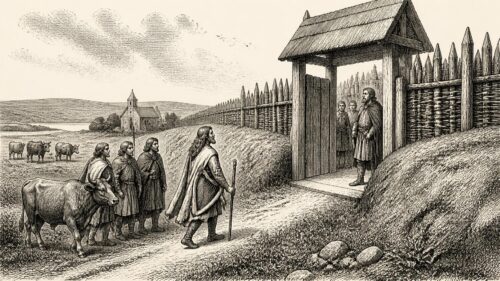
In 932, Irish annals recorded the death of Aengus son of Aengus, probably chief poet of Ireland, indicating the public importance of learned culture and its links with churches and aristocratic patrons. They also note Flann son of Máel Sinna, king of Brega, killed by the Uí Echach, alongside the deaths of Loingsech of Dál Araide and Colla of Norse-Gaelic Limerick. These notices reveal competing regional powers, unstable succession and maritime connections. Differing annalistic chronologies prevent precise dating of related events. Beyond elite records, political changes could directly affect farming, obligations, travel and security, though no nationwide catastrophe is evidenced.
Read Article
Archived: 27 October 2026
Abstract
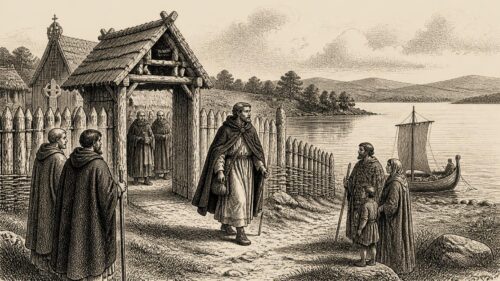
In 929, sparse annalistic evidence illuminates Ireland’s political, ecclesiastical and maritime connections. Céile, successor of Comgall of Bangor, died on pilgrimage in Rome on 14 September, demonstrating Irish links with Latin Christendom. Donnchad Donn, king of Tara, led an armed expedition against Muirchertach mac Néill at Liathdruim, apparently without a recorded battle. A fleet appeared on Lough Corrib, reflecting the strategic significance of inland waterways. Death notices for Tuathal, bishop and scribe, and Fínnechta, Ciarraige Luachra king, anchorite and counsellor, reveal intertwined religious learning, institutional authority and regional lordship. Differing annalistic dates require interpretation across competing manuscripts and chronological systems.
Read Article
Archived: 28 October 2026
Abstract
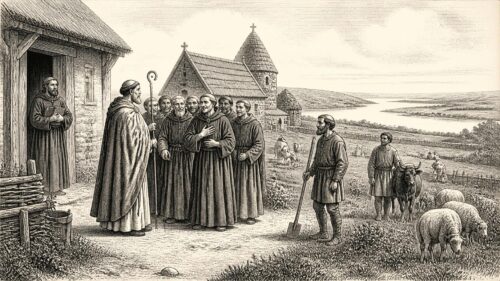
In 891, Irish annals record three modest yet revealing events: the death of Gormán son of Mugrón, king of Glennamain; the death of Flann mac Máel Dúin, abbot of Iona; and Máel Petair son of Cúán’s acquisition of Clonfert. Variant annalistic naming of Iona’s abbot illustrates the uncertainties of transmitted chronology, though scholars generally identify Faelán and Flann as one man. Iona remained an active Columban centre despite earlier Scandinavian raids, while authority was gradually shifting towards Irish houses such as Kells. Clonfert’s succession reflected ecclesiastical control of land, revenues and patronage. Gormán’s death demonstrates Ireland’s fragmented local kingship clearly.
Read Article




