Archived: 25 October 2026
Abstract
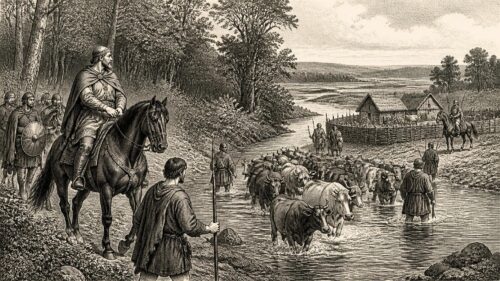
In 1262, Ireland experienced interconnected conflicts and negotiations across Connacht, Annaly, Munster and church politics. Fedlimid Ó Conchobair and his son Áed resisted forces led by Mac William de Burgh, the justiciar and John de Verdun, safeguarding cattle, devastating enemy territory and making a temporary peace. Roscommon was selected for a future royal castle. In Annaly, Gilla na Naem Ó Fergail regained lordship after local defections. Mac Carthaig defeated an expedition at Mangerton, but Cormac Mac Carthaig died. Munster endured further raids. At Drogheda, Archbishop Máel Pátraic Ó Scannail reinforced Armagh’s jurisdiction over Meath, while Dublin disputes exposed urban tensions.
Read Article
Archived: 25 October 2026
Abstract
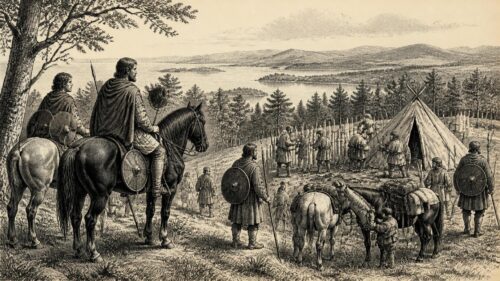
In 1233 Feidlimid mac Cathail Chrobderg Ua Conchobair regained Connacht after his coalition, assembled with Cormac Mac Diarmata at Druim Grecraige, routed and killed his cousin Áed mac Ruaidrí and leading supporters. The victory displaced Ruaidrí Ua Conchobair’s descendants, despite Anglo-Norman involvement on both sides. Annalists interpreted Áed’s defeat through alleged crimes against churches, but their accounts also record political propaganda. Feidlimid destroyed four rival castles, including Bun Gaillme and Dunamon, asserting territorial control and imposing praised order. In Breifne, Cathal Ua Ráigillig’s forces defeated William de Lacy’s raiders. Obituaries illuminate church households’ roles in landholding, hospitality, mediation and welfare.
Read Article
Archived: 26 October 2026
Abstract
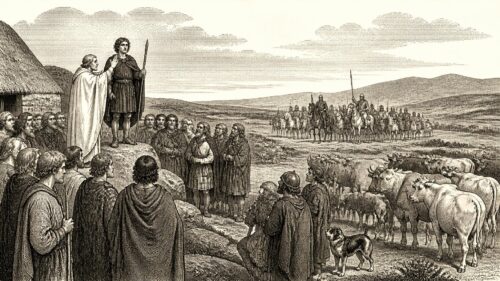
In 1225, Connacht was devastated by a succession war after Cathal Crobderg Ó Conchobair’s death. Toirrdelbach, son of Ruaidrí Ó Conchobair, was inaugurated at Carnfree with support from Áed Ó Néill and Connacht allies, but Áed mac Cathail regained power through Anglo-Norman, Thomond and local assistance. Campaigns centred on cattle, territory and hostages, displacing communities and bringing plunder, killings, drowning, hunger and exposure. Alliances repeatedly shifted, while church and secular lands suffered alike. A second rising failed, forcing Ruaidrí’s sons back to Ulster. Fever, disrupted harvests and ploughing compounded destruction, leaving Áed restored but Connacht socially and economically shattered severely.
Read Article

Archived: 26 September 2026
Abstract
In 1187, Ireland remained politically divided between Gaelic kingdoms and Anglo-Norman lordships, whose frontier was weakened after Hugh de Lacy’s death. Conchobar Máenmaige Ua Conchobair and Máel Sechlainn Bec destroyed Killare castle in western Meath, gaining arms and challenging colonial expansion. Northern dynastic warfare included Ruaidrí Ua Flaithbertaig’s death and reprisals after Drumcliff’s plunder by a mixed Gaelic-Norman force. Lightning or fire devastated the Rock of Lough Key, killing many inhabitants and straining Moylurg’s ruling family during succession. Churchmen, scholars and monastic foundations reflected reform and regional connections, while trade, agriculture and cross-cultural alliances shaped life amid conflict and recovery.
Read Article

Archived: 26 September 2026
Abstract
In 1135, Ireland remained politically fragmented despite Toirdelbach Ua Conchobair’s strong, contested overlordship. Murchad Ua Máelshechlainn asserted Mide’s strategic river power by receiving hostages on the Shannon. Connacht endured dynastic killings, battles, raids and the destruction of Roscommon, while northern Uí Néill rivals, Munster factions and smaller kingdoms pursued warfare and shifting alliances. Malachy strengthened his disputed authority at Armagh by acquiring the Bachall Ísu, advancing church reform. Deaths of leading bishops and clerics, notably at Lismore, marked generational change. Fires damaged ecclesiastical centres, lightning struck towers, and plentiful mast harvest supported food supplies amid rural, maritime and market-based society.
Read Article

Archived: 26 September 2026
Abstract
In 1110, Ireland remained divided among local and provincial rulers, dominated by Muirchertach Ua Briain of Munster and Domnall Ua Lochlainn of Ailech. Ua Lochlainn raided Connacht, taking many cattle and captives, while its young king, Tairdelbach Ua Conchobair, won at Ros but suffered defeat at Mag Brengair. Elsewhere, the Ulaid plundered Mucnám and regional kings were killed. Dynastic deaths affected Munster and northern alliances. Cellach of Armagh visited Mide, collecting dues and advancing church reform. Learned churchmen also died. Annals chiefly preserve elite violence and religion, while rural farming, trade, craftsmanship and learning sustained wider society throughout the year.
Read Article

Archived: 26 September 2026
Abstract
In 1095 Ireland endured severe snow and frost, causing human, bird and livestock deaths, though later woodland mast offered limited relief. Muirchertach Ua Briain campaigned extensively in Connacht and Mide, using fleets, sieges, hostages, tribute and dependent rulers to extend Munster’s influence. Ulaid experienced deposition, raids and defeats, while local dynastic violence continued. From August, a devastating, unidentified epidemic killed innumerable people, including prominent secular and ecclesiastical figures such as Dublin’s bishop and Godred Crovan. Fires and plunder damaged churches, books and communities, notably Clonmacnoise. Despite continuing political activity, warfare, displacement, environmental hardship and mortality exposed the limits of over-kingship.
Read Article

Archived: 26 September 2026
Abstract
In 1061, Ireland lacked a supreme king and regional rivalries intensified. Connacht’s Áed Ua Conchobair raided Munster, destroying Kincora and damaging Killaloe, thereby exposing Donnchad mac Briain’s weakening authority. Áed was briefly displaced by the Ua Flaithbertaig of western Connacht, but defeated them and killed Ruaidrí. Elsewhere, battles, killings and deaths reshaped northern and eastern lordships, while Diarmait mac Maíl na mBó pressed Munster and projected power towards Man. Severe epidemic disease afflicted Leinster, and Glendalough was burned. Deaths of churchmen highlighted ecclesiastical institutions’ importance. Differing annal dates complicate chronology, but collectively portray fragile power, violence, hardship and political change.
Read Article
Archived: 30 October 2026
Abstract
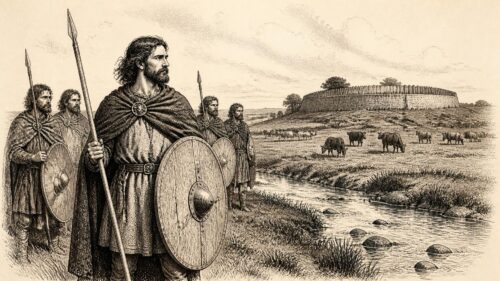
In 792, Muirgius son of Tommaltach of Síl Muiredaig defeated and killed Cináed son of Artgal at Sruth Cluana Argait, probably Cloonargid, establishing his effective overkingship of Connacht. A related battle at Ard Maic Rími crushed Uí Ailello forces and killed rulers from Cairpre and Bréifne, strengthening Muirgius without ending Connacht’s political rivalry. Annals also record deaths of kings in Dál nAraidi, Uí Fhiachrach, Dál Riata and elsewhere. Máel Ruain, founder of Tallaght’s influential religious community, died peacefully. These compressed notices reveal an Ireland shaped by contested dynastic authority, ecclesiastical succession, agricultural communities, and interconnected secular and religious power structures.
Read Article





