
Archived: 26 September 2026
Abstract
In 1108, Ireland remained divided among provincial overkings, lesser dynasties and Hiberno-Norse towns, despite peace between Muirchertach Ua Briain and Domnall Ua Lochlainn. Local conflict persisted: Niall Ua Lochlainn raided Corann, rulers were killed in Ulaid, Bréifne and elsewhere, and strongholds were attacked. Cellach of Armagh visited Connacht, collecting dues and extending Armagh’s primatial authority, while clerical disputes employed fasting and sacred sanctions. Lightning was blamed for Limerick’s fire, which spared its external market. Good weather, plentiful grain and oak-mast aided rural prosperity, yet storms, raids and killings exposed enduring insecurity. The year foreshadowed church reform amid fragmented, competitive power.
Read Article

Archived: 26 September 2026
Abstract
In 1081, Tairdelbach Ua Briain, Munster's dominant king, secured Ulaid's submission, though authority remained negotiated and unstable. Donn Sléibe Ua hEochada killed Ua Mathgamna, king of Ulaid, at Downpatrick, amid wider northern dynastic violence. In Mide, Máel Sechnaill killed a Calraige chief, later linked to alleged plunder of Clonmacnoise. Hiberno-Norse or Scandinavian-background raiders plundered Aran, while fires devastated Cork, Killaloe, Mungret and churches. Clerical obituaries illustrate ecclesiastical learning and saintly successions. Beyond annalistic elites, rural farming, craft production and Hiberno-Norse trade sustained interconnected communities despite political conflict, maritime raiding and local disasters throughout the island's diverse, layered social order overall.
Read Article

Archived: 26 September 2026
Abstract
In 1058, Toirdelbach Ua Briain and Diarmait mac Máel na mBó led Leinster, Osraige and Hiberno-Norse forces against Munster’s Donnchad mac Briain. Limerick was burned, perhaps by its defenders, and Diarmait defeated Donnchad at Sliabh gCrot in the Galtees, accelerating his decline. Emly’s church and monastic settlement also burned, while churchmen, regional rulers, poets and ascetics figured in annalistic notices. In Mide, Gallbrat Ua Cerbaill was killed amid dynastic rivalry. Dublin crews joined Magnus Haraldsson’s unsuccessful English expedition, demonstrating Irish Sea connections. The fragmented records portray interconnected warfare, religion, commerce and politics across Ireland and neighbouring lands during the year.
Read Article

Archived: 26 September 2026
Abstract
In 1054, described by annalists as a year of warfare, Donnchad mac Briain’s Munster faced attacks from Leinster, Osraige, Dublin and Connacht, while his nephew Tairdelbach Ua Briain challenged him internally. Diarmait mac Máel na mBó’s forces burned strongholds near Emly, aided by Dublin’s Norse-Gaelic resources; Connacht raided Thomond. Northern Ireland also saw killings and local conflicts. Deaths of bishops, ecclesiastics, scholars and rulers underscored links between political and religious power. Cattle-raiding reflected economic and military authority. Annals recorded natural wonders and a Scots-English battle. Despite Donnchad’s survival, alliances around Diarmait and Tairdelbach shifted power decisively in Munster against him.
Read Article

Archived: 26 September 2026
Abstract
In 1053, Irish annals depict widespread warfare, raids and political murder rather than a decisive national conflict. Donnchad mac Briain of Munster faced his nephew Toirdelbach Ua Briain, supported by Connacht, while Diarmait mac Máel na mBó defended Dublin’s interests after yielding hostages to an opposing expedition. Diarmait retaliated in Brega and Mide, taking cattle and captives. Killings, betrayals and raids affected Fermanagh, Lurg, Airgialla and Ulster. Churchmen died and ecclesiastical sites suffered, yet churches sustained administration and learning. Rural cattle-based society and maritime towns endured insecurity. The year foreshadowed Donnchad’s eventual displacement from Munster amid continuing political fragmentation thereafter.
Read Article
Archived: 26 October 2026
Abstract
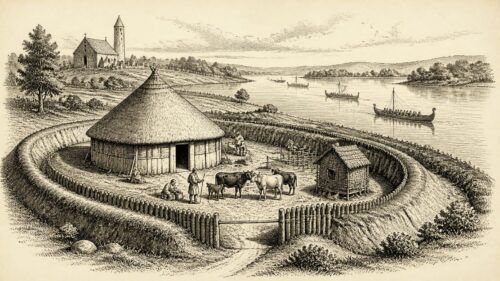
Annals conventionally place 993 amid a major mortality of people, cattle and bees, though its cause, scale and chronology remain uncertain. This crisis threatened subsistence, wealth and ecclesiastical resources. Political violence killed several local rulers in the midlands, Connacht and west, revealing fragmented lordship and Máel Sechnaill’s interventions. Brian of Munster led a naval expedition from Lough Ree towards Bréifne, while Mide suffered devastation and Dublin’s Norse-Gaelic politics remained unsettled. Meanwhile, Muirecán, Patrick’s successor, visited Cenél nÉogain and publicly affirmed Áed’s royal standing. The notices portray interconnected warfare, church authority, riverine mobility and vulnerable rural life throughout Ireland in 993.
Read Article
Archived: 26 October 2026
Abstract
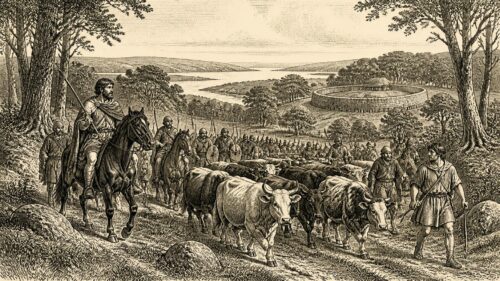
In 985, Ireland remained divided among competing regional kingships rather than united under a single state. Máel Sechnaill of Mide raided Connacht, destroying crannógs and killing chieftains, while internal conflict included the death of Fearghal of the Fiachra kindred. In Munster, Brian son of Cennétig retaliated after Déisi men stole three hundred cattle from his mercenaries, devastating the territory and pursuing Domnall son of Faelán to Waterford. An abundant mast crop aided rural livestock husbandry. Leinster’s king, Diarmait son of Uathmarán, died. Annals securely date these events to 985, illustrating warfare, resources, local authority and unstable political relationships across Ireland.
Read Article
Archived: 26 October 2026
Abstract
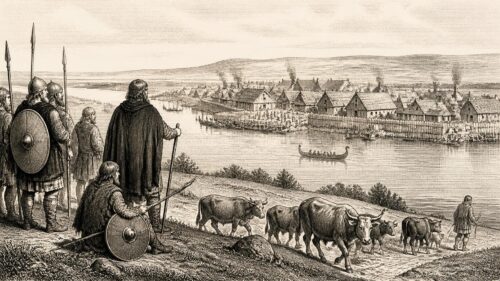
In 968, Domnall ua Néill, king of Tara, campaigned in Leinster, ravaged territory between the Barrow and the sea, exacted cattle tribute, and blockaded the Leinstermen and Dublin’s Scandinavian rulers for two months. The annals do not record Dublin’s capture. In Munster, Mathgamain son of Cennétig raided Uí Énna Áine, where Cathal son of Fogartach died, continuing Dál Cais expansion after successes against Limerick. Imlech Ibuir, or Emly, was plundered by unnamed forces. Deaths of prominent ecclesiastical successors and King Flaithbertach highlighted political and religious change. The records depict fragmented authority exercised through warfare, tribute, mobility and control of resources.
Read Article
Archived: 26 October 2026
Abstract
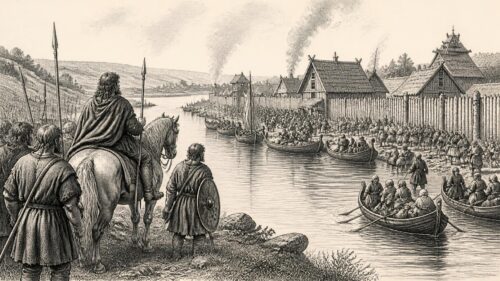
In 967, Mathgamain son of Cennétig, leader of the rising Dál Cais, defeated Limerick’s Norse forces at Sulchuait and burned the port the following morning. Recorded by Inisfallen, the episode weakened but did not end Norse power: Limerick and its ruler Ímar remained significant, requiring further action in 972. The victory strengthened Mathgamain’s claim to Munster kingship, though later tradition disproportionately associated it with his brother Brian Boru. Limerick was a commercially and strategically vital Norse-Gaelic settlement, not merely a raiders’ base. The year saw Connacht king Ferga Ua Ruairc die and Mungret abbot Conn son of Corcrán pass away.
Read Article




