Archived: 17 October 2026
Abstract
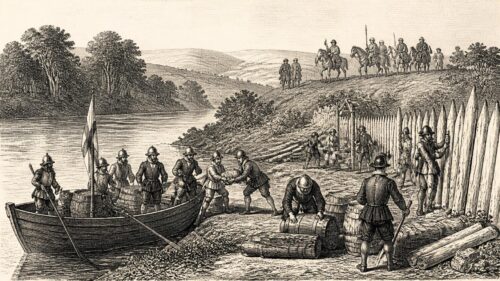
In 1566, conflict between Shane O’Neill and Elizabethan government made Ulster Ireland’s principal political and military crisis. O’Neill sought French aid, managed fraught relations with Scottish MacDonnells, was proclaimed traitor, and burned Armagh’s cathedral, a religious site also militarily contested. Lord Deputy Sir Henry Sidney campaigned through Ulster while Colonel Edward Randolph established a garrison at Derry to pressure O’Neill; Shane’s forces killed Randolph in November, exposing royal weakness. Deaths and successions among O’Donnells and Maguires reshaped regional alliances and prompted renewed raiding. The year demonstrated that crown expeditions, Gaelic lordship, local warfare, logistics, learning and landscape remained inseparably linked.
Read Article
Archived: 17 October 2026
Abstract
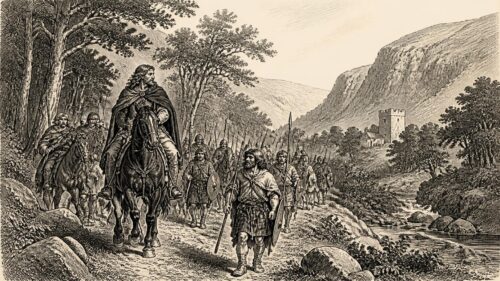
In 1565, Ireland remained divided among powerful Gaelic and Old English lordships despite Tudor claims. At Affane, Ormond defeated and captured Desmond during a dispute over Déise, prompting concern at magnates waging private war. In Ulster, Shane O’Neill crushed the MacDonnells at Glentaisie, extending influence through garrisons and settlement, and alarming Dublin and London. The Crown advanced surrender and regrant by creating Donal MacCarthy Mór earl of Clancare, while Henry Sidney’s confirmation signalled intervention. Catholic organisation persisted through Jesuit schooling and Miler Magrath’s appointment. The death of scholar Tadhg Cam Ó Cléirigh also demonstrated continuing learned patronage amid political conflict.
Read Article
Archived: 17 October 2026
Abstract
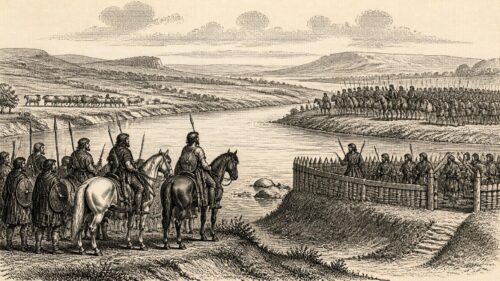
In 1564, Ireland experienced interconnected struggles over lordship, succession, tribute and fortified places rather than a unified war. Shane O’Neill, strengthened by Crown recognition but constrained by unresolved negotiations and Dublin’s weakness, raided Tír Chonaill, exploited O’Donnell divisions at Donegal, supported Hugh Boy O’Rourke in Breifne, and fought the MacDonnells near the Bann. His setback and ensuing truce demonstrated limits to his power; decisive MacDonnell defeats came later. In Thomond, rival O’Briens, mercenaries and raids devastated communities, cattle and church resources. Religious institutions remained politically important, while William Bathe’s birth reflected Dublin society. The year intensified conflicts without resolving them.
Read Article
Archived: 17 October 2026
Abstract
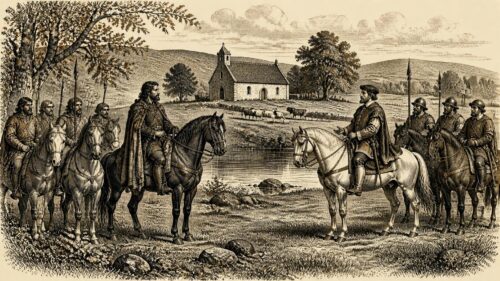
In 1563, Sussex’s Ulster campaign against Shane O’Neill faltered through inadequate supplies, difficult terrain and limited Pale support. His forces reached Armagh, crossed the Blackwater and seized cattle, but failed to force battle or diminish O’Neill’s authority. Negotiations led by Thomas Cusack produced September’s Drumcree Compact, recognising O’Neill as lord O’Neill, promising conditional confirmation of Tyrone, accepting customary leadership claims and removing Armagh’s garrison. Yet parliamentary obstacles and English reservations made it temporary. The settlement demonstrated Tudor dependence on accommodation with Gaelic power. Conflict, rural disruption and uncertainty over Ulster’s governance persisted, while Christopher Nugent’s Cambridge matriculation reflected cultural connections.
Read Article
Archived: 18 October 2026
Abstract
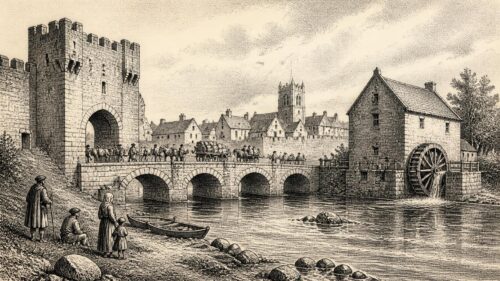
In 1562 Shane O’Neill travelled to Whitehall, submitting to Elizabeth I while contesting the crown’s control over the Tyrone succession. He asserted authority derived from Gaelic inauguration as the O’Neill; ministers delayed any settlement, fearing his power and the precedent. During negotiations, Brian O’Neill, rival Dungannon claimant, was killed by Turlough Luineach, leaving young Hugh heir in English eyes. Shane’s subsequent raids devastated neighbouring lordships, especially Fermanagh, exposing limits of crown protection. Elsewhere, Brian Ballach O’Rourke’s death prompted succession in West Breifne, while Galway’s new bridge, mill and gate displayed urban investment, trade and defence within Ireland’s varied political landscape.
Read Article
Archived: 18 October 2026
Abstract
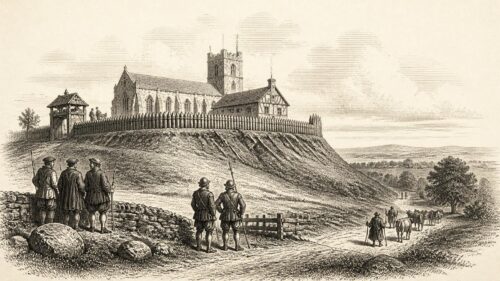
In 1561, Shane O’Neill’s contest with the Dublin administration over authority in Ulster became Ireland’s principal political crisis. After capturing An Calbhach O’Donnell in May, O’Neill disrupted a planned alliance of Ulster and Scottish opponents. Sussex proclaimed him traitor, marched north, and fortified St Patrick’s Cathedral, Armagh, as a royal garrison. O’Neill’s forces besieged the post and inflicted a reverse on crown troops during their July withdrawal. A September expedition to Lough Foyle also failed to establish control. Negotiations followed, leading to O’Neill’s safeguarded journey to England in December. Coinage proclamations and correspondence revealed wider governmental, economic and diplomatic pressures.
Read Article




