
Archived: 17 October 2026
Abstract
In 1591, Tudor authority pressed unevenly upon Gaelic Ireland through military, legal and administrative measures. Brian na Múrtha O’Rourke, lord of West Bréifne, fled to Scotland after invasion, was surrendered to England, tried for treason and executed at Tyburn, demonstrating the crown’s expanding reach. Monaghan’s contested settlement and mass pardons revealed efforts to reorganise lordship and land. Hugh O’Neill’s marriage to Mabel Bagenal intensified Ulster rivalries. Catholic appointments and continental contacts sustained religious networks and official fears of foreign intervention. Annalistic deaths and praise for lords preserved Gaelic values. Although no rebellion began, distrust and dispossession sharpened conditions preceding war.
Read Article
Archived: 17 October 2026
Abstract
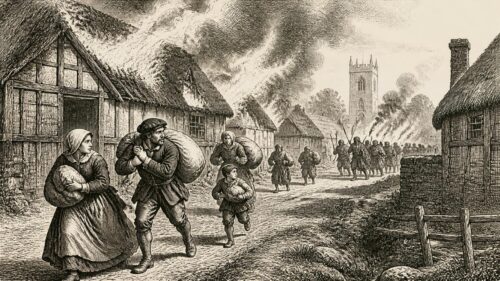
In 1577, Tudor authority in Ireland expanded through garrisons, agreements and coercion, yet faced resistance and disputes over the burdensome cess imposed on the Pale. In Leinster, Rory Óg O’More opposed plantation in Laois after Crown forces received authority to wage destructive war. His followers burned Naas in May and later captured Crown officers, while reprisals intensified. A recorded killing at Mullaghmast exposed mistrust, although claims of a larger massacre remain chronologically uncertain. Elsewhere, officials strengthened control in Thomond and negotiated revenue with Brian O’Rourke. Catholic resistance, overseas plans, religious division and comet marked continuing Leinster conflict at year's end.
Read Article

Archived: 20 October 2026
Abstract
In 1445, Ireland’s fragmented political order was exposed by the burning of Sligo, attacked by O’Donnell, Maguire and discontented Ó Conchobhair kinsmen opposing Toirdhealbhach Carrach. Dynastic disputes also destabilised Annaly and West Breifne, where contested lordships prompted warfare, division or rival proclamations. Other annals record killings during raiding and travel, revealing pervasive local feud. English authority remained limited: John Talbot’s appointment as lieutenant did not bring immediate control, while Gaelic lords used written diplomacy and ecclesiastical seals. Irish nobles travelled to Santiago, clerics were commemorated, and Athenry’s Dominican friary housed thirty members, demonstrating religious networks amid conflict and political negotiation.
Read Article
Archived: 20 October 2026
Abstract
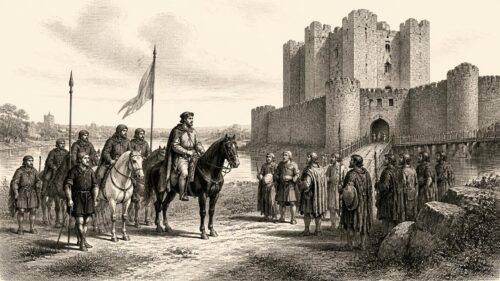
In 1424, Ireland’s political map was defined less by a single national struggle than by a series of overlapping lordships, rival dynasties and negotiated allegiances. The English crown governed most directly from Dublin and its surrounding lordship, but royal office depended upon the cooperation of magnates whose power reached well beyond the formal limits of crown administration. Gaelic rulers, Hiberno-Irish dynasties and English settlers all made and remade local political worlds through warfare, tribute, marriage, submission and the possession of castles. The year is especially notable for the arrival in Ireland of Edmund Mortimer, earl of March and Ulster, as
Read Article

Archived: 21 October 2026
Abstract
In 1390, rivalry between Tighearnán Mór Ó Ruairc of West Breifne and Tomás Mór Ó Raghallaigh of East Breifne drew allied kindreds into a great war. Maghnus Ó Ruairc escaped captivity at Lough Oughter but was killed near Lough Scur. Peace followed, secured by concessions, hostages and expulsions, though raids, forced movements and cattle losses continued. Tomás’s death brought Seán Ó Raghallaigh to power. Elsewhere, Kilbarron Castle was demolished, while legal, historical and ecclesiastical figures died. The Book of Ballymote’s late fourteenth-century compilation reflected enduring scholarly patronage. Despite English justiciar Sir John Stanley, regional lords managed conflict and settlement independently.
Read Article





