Divided Loyalties

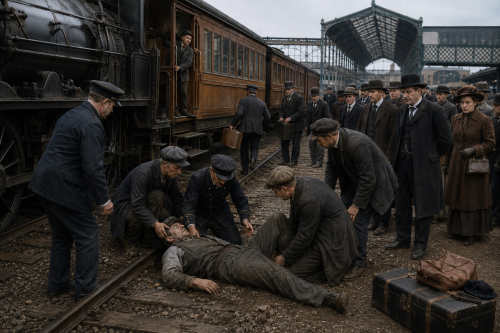
Irish soldiers continue to fight with British forces in South Africa while nationalist opposition to the war grows increasingly vocal at home. The conflict has produced divided feelings across Limerick city and county, where military service has long provided wages, regular employment and support for working-class families. Some residents regard the soldiers as courageous representatives of Ireland within the Empire, while others condemn the campaign against the Boer republics as an act of imperial aggression. Many households occupy a more painful position, opposing British policy while anxiously awaiting news from relatives serving in distant regiments under British command.

New Nationalism

Pro-Boer feeling is giving renewed confidence to younger Irish nationalists who have grown dissatisfied with the pursuit of Home Rule solely through the British Parliament. In Limerick, admiration for the resistance of the Transvaal and Orange Free State has entered political meetings, newspaper discussions and conversations among cultural revivalists. Many continue to support the reunited Irish Parliamentary Party, yet others ask whether speeches and negotiated concessions can secure genuine national freedom. To these younger activists, the Boer struggle appears to show that a small nation must cultivate its own institutions, resources and determination rather than depend upon imperial goodwill.

Boer Rallies

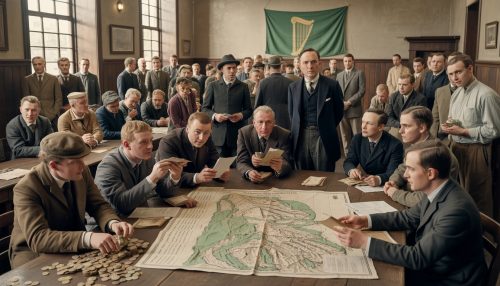
Public support for the Boer republics has taken a prominent civic form in Limerick as the Corporation moves to confer the freedom of the city upon Paul Kruger, former president of the South African Republic. The decision reflects a wider succession of meetings, resolutions and demonstrations held in Irish towns against Britain’s war in South Africa. Nationalist audiences have repeatedly identified the Boers as a small people defending their independence against imperial conquest. In Limerick, the argument carries particular force, although many local families remain deeply concerned for Irish soldiers serving with British regiments overseas.

Boers Defended

Nationalists throughout Limerick are following a forceful parliamentary protest against Britain’s continuing war in South Africa, where Irish representatives have declared their sympathy for the Boer republics. John Redmond told the House of Commons today that Ireland opposed the conflict and regarded the Transvaal and Orange Free State as small nations defending their independence against imperial power. The declaration carries particular weight in Limerick, where nationalist feeling exists beside the reality that local men serve in British uniform. Families may therefore condemn the Government’s policy while remaining deeply concerned for Irish soldiers facing death and injury overseas.

National Programme

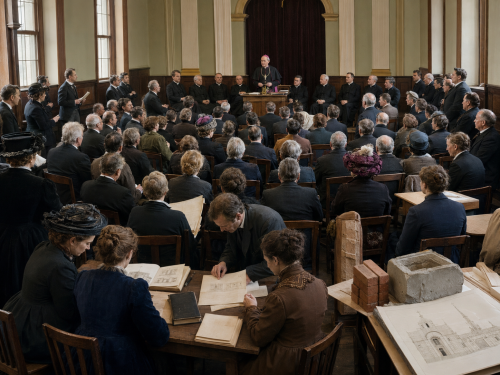
The reunited Irish Parliamenme Rule, land reform and the restoration of an Irish legislature responsible for domestic affairs. The programme places constitutional self-government and the condition of tenant farmers at the centre of nationalist politics following years of damaging division. In Limerick city and county, supporters are expected to welcome a policy connecting representation at Westminster with demands concerning land purchase, evicted tenants and overcrowded rural holdings. The agreement gives John Redmond’s leadership a defined political purpose while allowing the United Irish League to organise popular support through local branches, conventions and public meetings.