Archived: 19 October 2026
Abstract
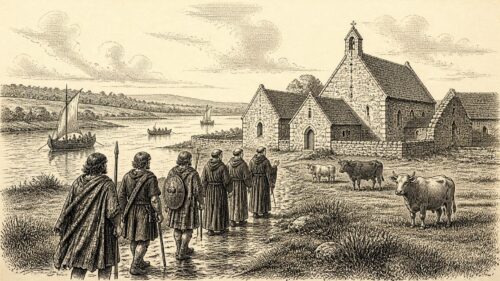
In 1479, Ireland’s diverse political and religious worlds were marked by reform, conflict and administrative adjustment. At Meelick, O’Madden patronage supported a Franciscan Observant renewal, strengthening dynastic commemoration and regional religious links. In Ulster, warfare between Tír Chonaill and Tír Eóghain involved raids, cattle seizures, ransom and hostages, burdening local communities. Obituaries around Lough Erne reveal clergy, artisans and hospitality networks underpinning lordship. In Dublin, Edward IV appointed Gerald FitzGerald, eighth earl of Kildare, deputy lieutenant, acknowledging dependence on local power. Statutes concerning merchants, civic privileges and Gaelic subjects exposed the English lordship’s porous, contested frontiers and commercial regulation alike.
Read Article
Archived: 19 October 2026
Abstract
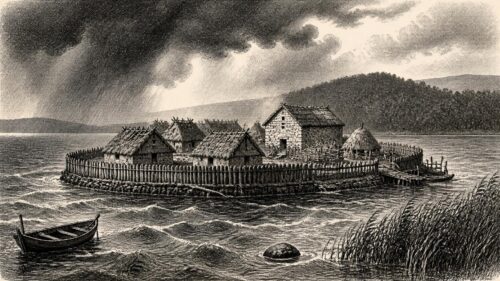
In 1477, annals depict Ireland as a patchwork of contested lordships, where kinship, land, ecclesiastical institutions and armed followings shaped power. In Tír Chonaill, Aodh Ruadh O’Donnell fought Neachtan O’Donnell’s sons, while Énrí O’Neill, supporting the rivals, devastated and burned Tírhugh. Fermanagh saw several Maguire deaths, alongside passing learned erenagh Matthew Ua Luinín and Ailbhe Maguire’s monastic association. Cormac Mac Carthaigh’s capture helped spread war across Munster; other dynastic killings occurred in Connacht and Leinster. A great wind damaged buildings, crannógs and stored produce nationwide. Kildare’s accession belongs to 1478, not 1477, according to contemporary annalistic and modern scholarly evidence.
Read Article
Archived: 19 October 2026
Abstract
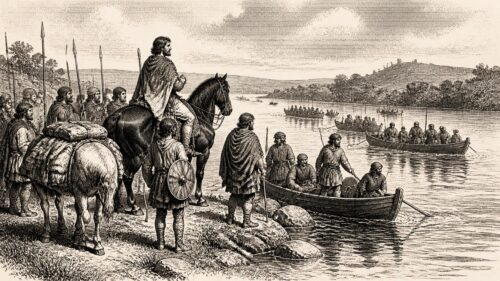
In 1475, Aodh Ruadh O’Donnell of Tír Chonaill led a major circuit through Breifne, Meath, Offaly and Connacht, combining armed pressure, alliance-building and peace-making. His host aided Brian O’Reilly, O’Farrell allies and Connacht friends, devastated parts of Meath, burned Delvin, and crossed the Shannon using local boats. Elsewhere, Réamonn MacMahon was defeated and captured in Oriel, while Henry O’Neill raided Fermanagh. Disputed successions in Annaly, castle transfers in Clanricard, and local battles revealed unstable lordship. Deaths of clerics, rulers and learned men, alongside monastic burials and literary remembrance, illustrate a politically connected, violent yet culturally resilient Ireland in the period.
Read Article
Archived: 19 October 2026
Abstract
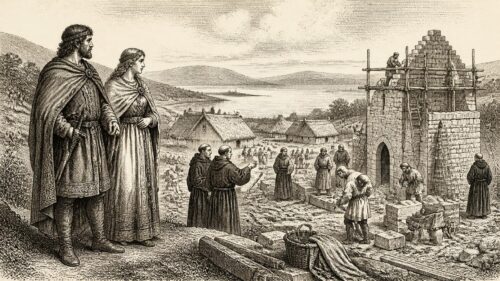
In 1474, Aodh Ruadh Ó Domhnaill and his wife Finola Ó Briain began Donegal’s Franciscan friary, intended as a dynastic mausoleum and declaration of Ó Domhnaill power. Its dating remains uncertain within 1472–74, but annals associate its foundation with 1474. Elsewhere, Ireland remained politically fragmented: Ó Domhnaill fought Ó Neill and Clann Aodha Buidhe; succession, raiding and castle destruction destabilised the midlands; and failed negotiations produced warfare in Connacht and Thomond. Dublin officials feared Scottish intervention. Deaths of bishops and hereditary scholars underline religion’s cultural role. The friary endured as a religious institution amid violence, dynastic competition and weak authority.
Read Article
Archived: 19 October 2026
Abstract
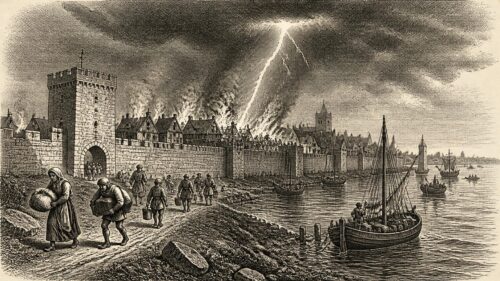
In 1473, Irish annals recorded Galway's destruction by lightning on 2 June, with major losses, alongside severe cattle mortality in Connacht. Raids, executions, family violence and warfare exposed contested lordships and fragile successions across Connacht, the midlands and Muintir Eolais. Conflicting accounts of fighting there reveal regional perspectives and heavy losses among nobles and commoners. Dublin's court executed Edward Nugent after his seizure by kin. Deaths of rulers, heirs, clergy and legal scholar Brian Mac Aodhagáin marked political and cultural change. An indulgence year, eclipse and marvels demonstrate religious and observational concerns, while commerce, livestock, learning and lordship remained intertwined.
Read Article
Archived: 19 October 2026
Abstract
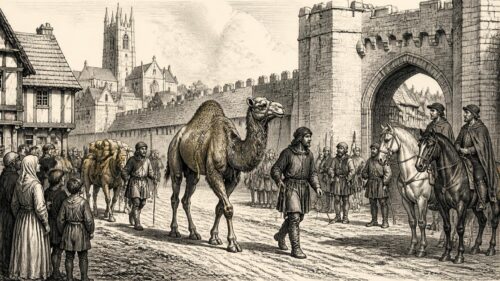
In 1472, Ireland comprised competing Gaelic and Anglo-Irish lordships, while Thomas FitzGerald, earl of Kildare, governed Edward IV’s limited lordship from Dublin. Parliament addressed defence, castles, town property, coinage, trade, religious houses and clerical study, revealing both administrative activity and insecurity in the Pale. Annals record killings, hostage-taking, raids, family struggles and shifting alliances in Ulster, Connacht and Munster, involving Gaelic rulers and Anglo-Irish families alike. Monasteries, pilgrimages and Oxford links connected local society to wider Christian networks. Most strikingly, a yellow camel, probably a royal gift from England, reached Ireland, symbolising international exchange amid fragmented politics across the island.
Read Article
Archived: 19 October 2026
Abstract
In 1471, Ireland’s competing lordships pursued power through sieges, raids, hostages, alliances and negotiated submissions. Henry O’Neill captured Oghmagh after a winter-long siege, strengthening his son Conn’s position, while northern settlements accompanied continued conflict. In Fermanagh, Thomas Óg Maguire surrendered lordship to his son Edmund, illustrating dynastic succession, patronage and ecclesiastical connections. Connacht saw lineage violence, cattle-raiding and contested castles, while English and Gaelic forces contested frontier regions. Churchmen and learned families remained politically vulnerable yet valued. Annals also recorded unusual weather: damaging spring hail, followed by heat, drought, early crops and abundant nuts, linking security to land and harvest.
Read Article

