
Year by Year
Explore Year by Year articles from the most modern historical year back to the oldest.
3,295 Articles Archived
Amlaíb's Raids
Archived: 27 October 2026
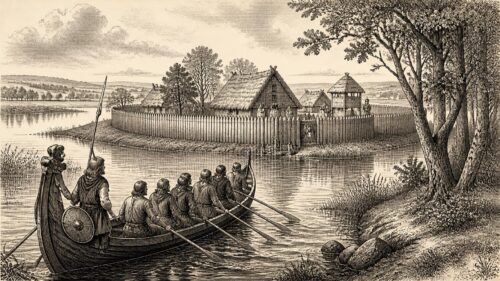
In 935, Amlaíb mac Gofraid, king of Dublin, demonstrated Scandinavian power by sacking Lagore and Knowth in Brega during one week, threatening inland centres. He sought dominance among Irish Scandinavian settlements, reportedly capturing a Limerick rival and installing Haraldr there. Norsemen killed Cinaed mac Cairpre, chief of Uí Chennselaig, with many followers in Leinster. Annals record deaths of abbots and church leaders, underlining monasteries’ political and economic roles, while a notice of abundant oak mast reflects dependence on woodland resources and pig forage. Differing annalistic chronologies complicate dating, but collectively these events reveal interconnected violence, lordship, ecclesiastical succession, and subsistence.
Gofraid's Death
Archived: 27 October 2026
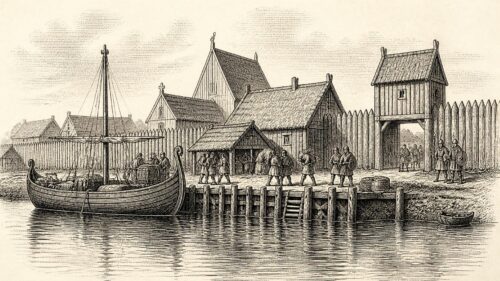
In 934, Gofraid, grandson of Ímar and Hiberno-Scandinavian king of Dublin, died painfully from illness, ending a rule connected with Dublin, York and the Irish Sea. The annals offer no details of his disease or succession, but his son Amlaíb succeeded him, inheriting a strategic trading and military centre. Elsewhere, Dubgilla son of Robacán, chief of Uí Chormaic, was killed in unexplained circumstances. Limerick’s foreigners raided deeply into Connacht, reaching Mag Luirg and Badhgna. Ireland remained politically fragmented: Dublin and Limerick pursued separate interests, while Irish dynasties, regional rulers and church institutions managed competing power, violence and succession across society.
Armagh Plunder
Archived: 27 October 2026
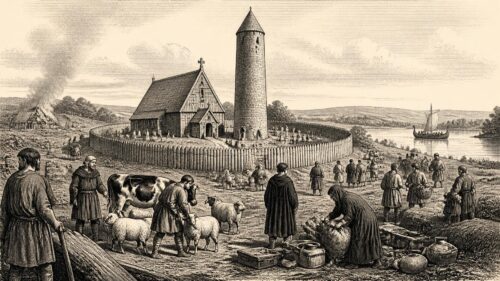
In 933, annalistic sources record interconnected conflicts across northern Ireland, while differing chronologies and casualty figures require caution. Muirchertach and Conaing, sons of Niall Glúndub, suffered defeat at Mag Uatha, but Conaing later defeated Ulaid forces and Muirchertach overcame raiders led by Matudán of Ulaid and Amlaíb son of Gothfrith, recovering plunder. Scandinavian groups based on inland and coastal waters participated in local alliances and warfare. Around Martinmas, Amlaíb plundered Armagh, a wealthy religious and political centre. Death notices for rulers and Bard Bóinne, chief poet, demonstrate the political and cultural consequences of contested authority, strategic waterways and regional violence.
Aengus's Death
Archived: 27 October 2026
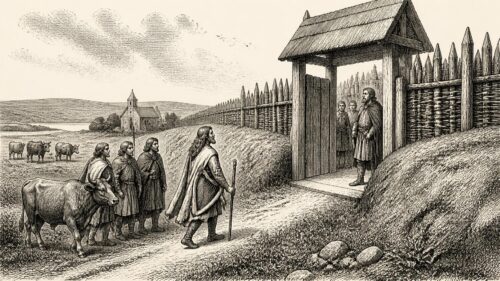
In 932, Irish annals recorded the death of Aengus son of Aengus, probably chief poet of Ireland, indicating the public importance of learned culture and its links with churches and aristocratic patrons. They also note Flann son of Máel Sinna, king of Brega, killed by the Uí Echach, alongside the deaths of Loingsech of Dál Araide and Colla of Norse-Gaelic Limerick. These notices reveal competing regional powers, unstable succession and maritime connections. Differing annalistic chronologies prevent precise dating of related events. Beyond elite records, political changes could directly affect farming, obligations, travel and security, though no nationwide catastrophe is evidenced.
Ciarán's Crozier
Archived: 27 October 2026
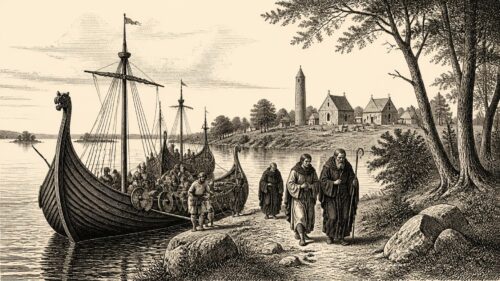
In 931, Irish annals record interconnected political, ecclesiastical and Scandinavian developments, although dating varies between sources. Tipraite son of Ainnsine, head of Clonmacnoise, died, with rulers and churchmen including Cernachán of Bréifne, Derbail of Tara, and clerics of Clones, Armagh, Trim and Kildare. Foreigners from Limerick entered Lough Ree, highlighting the Shannon corridor’s importance near Clonmacnoise. Chronicon Scotorum reports that Ciarán’s crozier sank in Loch Techet, drowning twelve men, but was recovered. The relic represented saintly and institutional authority, though it cannot be identified with the surviving Clonmacnoise crozier. These events reveal power rooted in waterways, succession and sacred possessions.
Derc Ferna
Archived: 27 October 2026
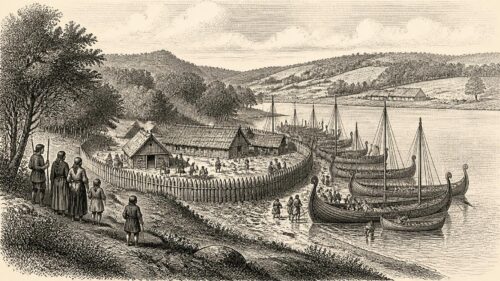
The surviving record for 930 is unusually revealing not because it describes one island-wide war, but because several annals catch armed Scandinavian groups operating at three inland waters: Loch Bethrach in Osraige, Lough Neagh in the north, and the routes connected with the Shannon and Limerick. The sharpest event was the assault on Derc Ferna in Osraige. The Annals of Ulster say that Gofraid, grandson of Ímar, came with the foreigners of Dublin and ‘razed’ the place, an act presented as extraordinary even by the standards of earlier devastation. Chronicon Scotorum calls it a siege and capture, adding a grave, but uncorroborated, figure of one thousand deaths.
Céile’s Pilgrimage
Archived: 27 October 2026
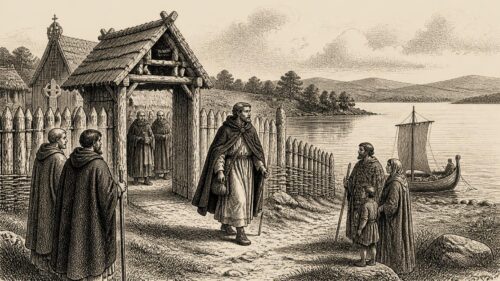
In 929, sparse annalistic evidence illuminates Ireland’s political, ecclesiastical and maritime connections. Céile, successor of Comgall of Bangor, died on pilgrimage in Rome on 14 September, demonstrating Irish links with Latin Christendom. Donnchad Donn, king of Tara, led an armed expedition against Muirchertach mac Néill at Liathdruim, apparently without a recorded battle. A fleet appeared on Lough Corrib, reflecting the strategic significance of inland waterways. Death notices for Tuathal, bishop and scribe, and Fínnechta, Ciarraige Luachra king, anchorite and counsellor, reveal intertwined religious learning, institutional authority and regional lordship. Differing annalistic dates require interpretation across competing manuscripts and chronological systems.
Lake Raiding
Archived: 27 October 2026
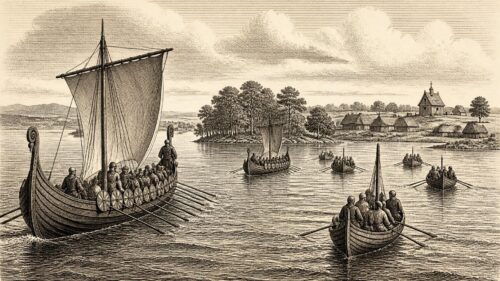
Annals conventionally assigned to 928 describe Ailche’s son leading Scandinavian or Hiberno-Scandinavian forces across Lough Neagh, ravaging islands and adjacent territories, demonstrating inland waterways’ strategic importance. Chronological uncertainties complicate the dating of related notices. Norsemen killed Donnchad, northern heir-designate, while Donnchad Donn of Mide killed his nephew Máel Ruanaid; rivalry with Muirchertach also limited Tara’s authority. Diarmait of Osraige died. Ecclesiastical leaders at Birr, Aghaboe and Cork died, and Bangor’s Céile began a Roman pilgrimage. Records also note elite women’s deaths and a disputedly dated raid on Kildare, revealing interconnected dynastic, church and Scandinavian power networks across Ireland and Europe.
Kilmallock Battle
Archived: 27 October 2026
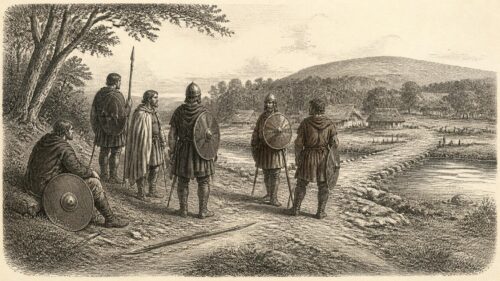
In 927, the Annals of Inisfallen record a Munster and Limerick Scandinavian victory over Waterford’s foreigners at Cell Mo-Chellóc, probably Kilmallock, demonstrating shifting alliances among Irish kingdoms and Viking settlements. They also note the death of Máel Brigte, abbot of Armagh and Iona, whose dual leadership united ecclesiastical federations. Other annals, chronologically offset, describe Dublin’s instability under Gofraid, Sitriuc’s death, and a bloodless confrontation at Tailtiu, reflecting contested Uí Néill authority. Later sources report churchmen, pilgrimage and raids, but their dating is uncertain. Together, the evidence depicts interconnected warfare, religious prestige, travel and political rivalry across Ireland and Irish Sea.
Alpthann’s Rout
Archived: 27 October 2026
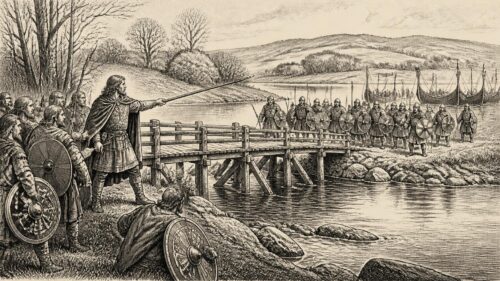
In 926, annalistic sources record Scandinavian raids and Irish responses across a politically fragmented Ireland. Foreigners from Strangford Lough sacked Dún Sobairche, while southern traditions report attacks on Kildare. Muirchertach son of Niall defeated raiders at Snám Aignech and later routed Alpthann son of Gofraid’s fleet-derived force near Dundalk, killing Alpthann and besieging survivors until Dublin’s king Gofraid intervened. These successes enhanced Muirchertach’s northern standing but did not end Scandinavian power or establish national unity. Elsewhere, Fergus of Lurg was killed by Bréifne, Colmán of Clonmacnoise and Clonard died, and Waterford’s fleet moved to Loch Gair in a notable redeployment.
Some records do not yet have a verified historical year and are awaiting chronological placement.