
Year by Year
Explore Year by Year articles from the most modern historical year back to the oldest.
3,305 Articles Archived
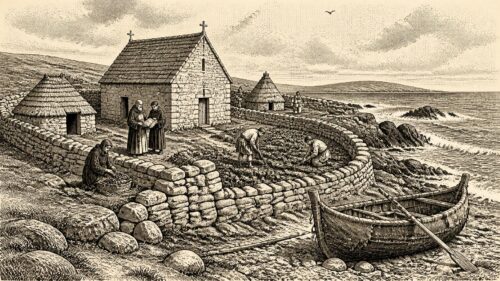
Annalistic Uncertainty
Archived: 2 November 2026
Ireland’s record for 655 is sparse and chronologically uncertain, but annalistic notices illuminate regional politics and church life. The battle of Flescach, dated variously to 655 or 656, saw Crunnmáel of Cenél nEógain defeat and kill Cumascach of Uí Cremthainn, reflecting rivalry among northern kingdoms. Notices also record the deaths of rulers in Leinster and Connacht and churchmen at Terryglass and Lorrha. The contested date of Nem of Aran’s death highlights Aran’s monastic links with wider Irish society. Irish annals also noted British events, demonstrating learned ecclesiastical networks, Latin literacy and connections across the Irish Sea.
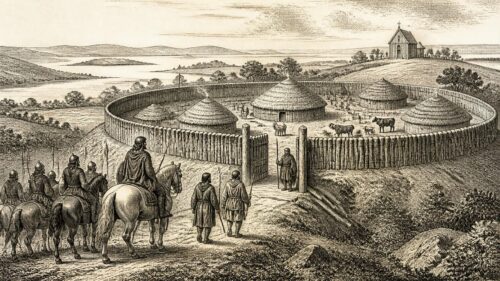
Conall Cóel
Archived: 2 November 2026
In 654, Diarmait mac Áedo Sláine killed Conall Cóel of Cenél Conaill, strengthening the southern Uí Néill dynasty of Brega in its rivalry for pre-eminence. The annals, though brief and chronologically uncertain, also record dynastic killings in Connacht, where Uí Fiachrach Aidhne attacked rivals, and a Pictish victory over Dál Riata in Scotland. The deaths of two abbots at Clonard demonstrate the political and economic importance of major churches. These events reveal a fragmented Ireland shaped by competing kindreds, ecclesiastical institutions and Irish Sea connections, while farming communities supported the power of kings and churches.
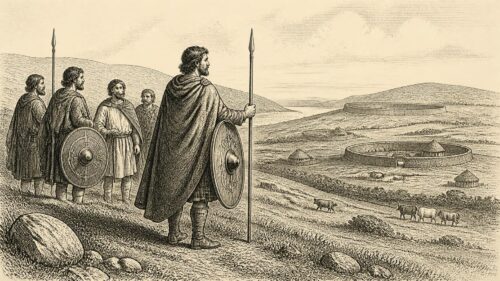
Airther Seóla
Archived: 3 November 2026
In 653, the battle of Airther Seóla in Connacht saw Marcán, king of the Uí Maine, killed by forces led by Cenn Fáelad and Máenach, king of the Uí Briúin. The conflict illustrates rivalry among regional dynasties rather than a unified Connacht. The death of Máel Dóid, king of Mide, marked another potential shift in Irish politics. Irish annals also noted Pictish deaths and ecclesiastical figures, reflecting networks linking kings, churches and neighbouring regions. Dating remains uncertain: some annals place the Connacht battle in 652. Most people lived in dispersed agricultural communities supporting these competing centres of authority.
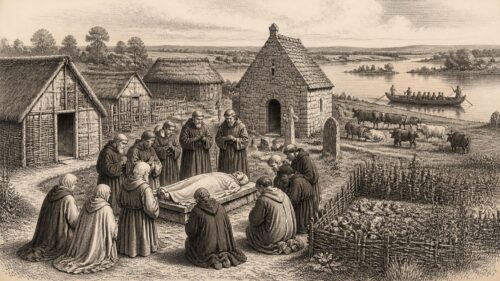
Ségéne’s Death
Archived: 3 November 2026
Around 652, despite conflicting annalistic dates, Irish records note the deaths of prominent churchmen and a dynastic battle. Ségéne, abbot of Iona since 623, led an influential Columban network linking Ireland, Pictland and Northumbria. Aedlug of Clonmacnoise and Mainchéne of Min Droichit also died, illustrating the importance of both major monasteries and local religious communities. At Cúil Corra, Cuiléne, king of Uí Fhailge, was killed by rival forces, reflecting unstable regional kingship. These notices depict a rural, politically fragmented Ireland connected through kinship, river routes and ecclesiastical networks.
Blathmac's Sons
Archived: 3 November 2026
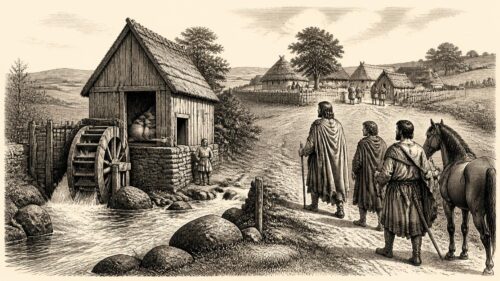
In 651, Irish annals record the killing of Dúnchad and Conall, sons of Blathmac of the powerful Síl nÁedo Sláine dynasty, at Máel Odhrán’s mill. Máel Odhrán, identified as a man of Leinster, was named as their killer, though the location and circumstances remain uncertain. Later sources add unconfirmed details, while annalistic verse portrays the deaths as the loss of an eminent lineage. A separate Christian moral judgement interpreted them as punishment for Blathmac’s alleged sexual transgression. The episode illustrates the links between regional dynastic conflict, rural productive sites, vernacular poetry and monastic historical memory in early medieval Ireland.
Dún Cremthainn
Archived: 3 November 2026
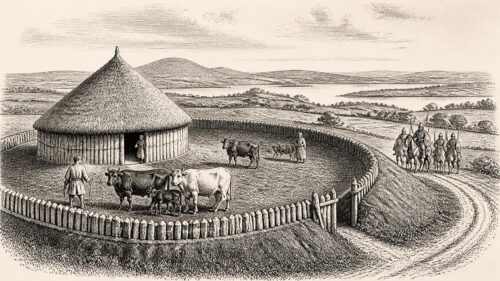
In 650, the battle of Dún Cremthainn reflected continuing rivalry within the northern Uí Néill. Óengus, son of the former Cenél Conaill ruler Domnall mac Áedo, was killed by his cousins Cellach and Conall Cóel, sons of Máel Coba. The victory did not secure lasting supremacy, as later conflicts displaced both victors. Annalistic dating is uncertain, and other notices assigned to the year include local warfare, deaths of rulers and abbots, and church activity. Ireland remained a patchwork of small kingdoms, lordships and ecclesiastical centres. Rural life depended on farming, cattle wealth and labour, while churches preserved learning and maintained wider connections.
Carn Conaill
Archived: 3 November 2026
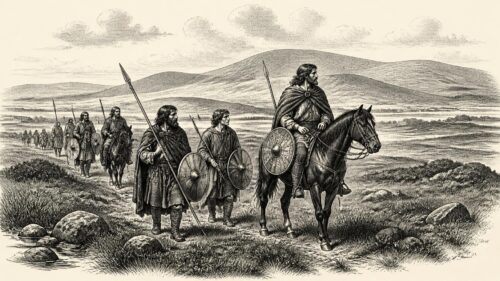
In 649, Irish annals record the killing of Raghallach mac Uatach, king of Connacht, and Diarmait mac Áedo Sláine’s defeat of Guaire of Aidne at Carn Conaill on Whit Sunday. Guaire fled, while allied rulers from Munster and neighbouring kingdoms were killed, showing the wide political connections involved. The events reflected rival dynasties, resource-based lordship and obligations of vengeance rather than a unified Irish state. Later tradition associated Diarmait’s victory with Clonmacnoise, royal patronage and St Ciarán’s protection. Although literary accounts added miracles and reconciliation, the reliable evidence confirms a significant battle, political disruption and enduring monastic influence.
Conflicting Annals
Archived: 3 November 2026
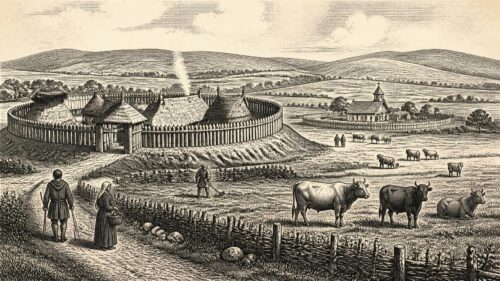
Notices assigned to 648 by the Annals of the Four Masters, including the death of Abbot Mainchéne and the killing of Cillíne of Uí Failge at Cúil Corra, appear under 652 in older annalistic traditions. They therefore illuminate the mid-seventh century rather than securely dating events to 648. The period saw contested Uí Néill overlordship, with Conall Cóel and Cellach’s authority uncertain, alongside politically significant regional rulers. Monasteries were major religious, economic and learned institutions, while most people lived through farming and cattle husbandry. Ireland remained a network of competing local kingdoms, kin-groups and churches, not a unified state.
Ulaid Kinslaying
Archived: 3 November 2026
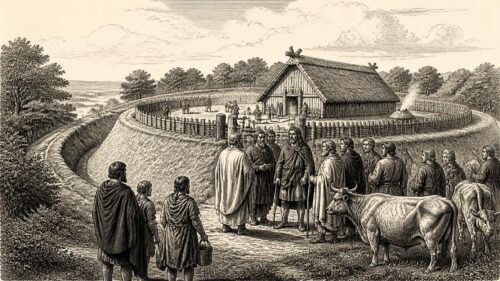
In 647, Máel Cobo son of Fiachnae, overking of Ulaid and a member of Dál Fiatach, was killed by his nephew Congal Cennfhota. Annalistic sources support this date despite differing manuscript chronologies. The killing exposed tensions within a dynasty recently strengthened after Dál nAraide’s defeat at Mag Roth. Congal did not immediately gain the kingship; Máel Cobo’s son Blathmac succeeded and ruled until 670. The event illustrates the vulnerable, kin-based nature of early Irish kingship. Bangor was an important regional religious centre, while most people lived in rural farmsteads dependent on livestock, crops and local craft production.
Scannal MacLaisre
Archived: 3 November 2026
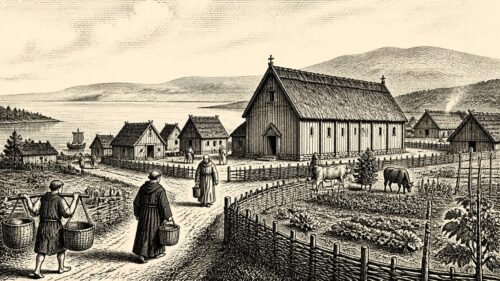
In 646, the Annals of Ulster record the killing of Scannal son of Béc, styled king of the Cruithin, and the death of Mac Laisre, abbot of Bangor. Scannal’s violent death reflects continuing political competition in north-east Ulaid after the battle of Mag Roth, though the annals name neither his killer nor location. Mac Laisre’s obituary marks a leadership change at Bangor, an important monastery beside Belfast Lough with wider Irish Sea connections. Sparse sources reveal little else about the year, but these notices illuminate the coexistence of vulnerable secular rulership and enduring ecclesiastical institutions within a predominantly rural society.
Some records do not yet have a verified historical year and are awaiting chronological placement.