
Year by Year
Explore Year by Year articles from the most modern historical year back to the oldest.
3,294 Articles Archived

Donegal Coup
Archived: 18 October 2026
In 1555 An Calbhach Ó Domhnaill, aided by Archibald Campbell’s Scottish troops and artillery, overthrew and imprisoned his father Manus, lord of Tír Chonaill, initiating prolonged conflict and devastation in Donegal. The coup demonstrated Gaelic rulers’ reliance on maritime alliances, mercenaries, castles and gunpowder. Elsewhere, Hugh Ó Néill of Upper Clandeboye was killed by Scottish gunfire, amid enduring MacDonnell expansion in Ulster. Dublin’s authority remained limited, while annalistic dating of official campaigns requires caution. Marian restoration included papal recognition of Philip and Mary and St Patrick’s cathedral’s revival. Notices from Thomond and Youghal reveal negotiated regional politics and overseas links.

Kildare Restoration
Archived: 18 October 2026
In 1554 Queen Mary restored Gerald FitzGerald, surviving Kildare heir, as earl of Kildare and baron of Offaly, symbolising Geraldine rehabilitation while retaining tighter Tudor supervision. His return accompanied military cooperation with Lord Delvin against Clandeboye amid O’Neill dynastic conflict. Elsewhere, O’Brien campaigns, Burke alliances and a MacSweeney battle demonstrated persistent local warfare, raiding and divided kindreds. Marian religious restoration deprived Edward Staples of Meath, advanced William Walsh, and promoted Catholic discipline under George Dowdall. Dublin’s legal administration continued through new judicial appointments. Deaths of Gaelic lords and poet Tadhg Ó Cobhthaigh underscored Gaelic power, cultural memory and learned traditions.

Thomond Rivalry
Archived: 18 October 2026
In 1553, Donough O’Brien’s death provoked a violent Thomond succession dispute, as his brother Sir Donal displaced his teenage son Conor despite Tudor inheritance arrangements. Donal demonstrated regional power through campaigning and negotiations at Leix, amid wider conflicts in the midlands and Connacht. Mary Tudor’s accession redirected Irish government towards Catholic restoration, although change remained gradual and uneven. George Dowdall regained recognition as archbishop of Armagh, while Protestant bishop John Bale fled Ossory. Sir Anthony St Leger returned as lord deputy, charged with reconciling religious restoration, fiscal restraint, military reduction, plantation and expanded crown authority. Chronological uncertainties complicate annalistic claims.

Clonmacnoise Plunder
Archived: 18 October 2026
In 1552 Tudor authority in Ireland expanded through military expeditions, administrative reforms, currency measures and ecclesiastical appointments, yet remained limited and contested. Soldiers from Athlone garrison plundered Clonmacnoise, stripping its churches of bells, books, images and valuables. In Ulster, Sir James Croft’s campaigns against O’Neill forces and Scottish allies reached Belfast, where a castle was fortified, but gained neither peace, hostages nor submission. Financial difficulties prompted currency reform and mining inquiries. Protestant nominees Hugh Goodacre and John Bale were selected for Armagh and Ossory, although religious change remained uneven. Croft’s departure brought joint rule by Thomas Cusack and Gerald Aylmer.
Dublin Prayerbook
Archived: 18 October 2026
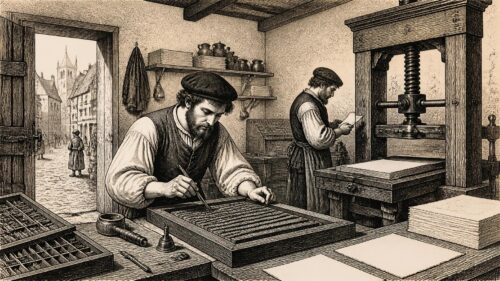
In 1551, Ireland’s overlapping jurisdictions exposed the limits of Edward VI’s government. Dublin and the Pale remained the strongest centres of royal authority, while Gaelic rulers and aristocratic lordships retained armed followers, local law and diplomatic connections. The printing of an English prayer book in Dublin gave religious reform a cultural landmark. A change of lord deputy altered government leadership, while intervention in Ulster contributed to an O’Neill succession conflict. Together, print, appointment and warfare revealed an administration seeking wider control without commanding a unified island. Religious policy and dynastic rivalry therefore developed within enduring regional divisions and negotiated authority.
Powell’s Press
Archived: 18 October 2026
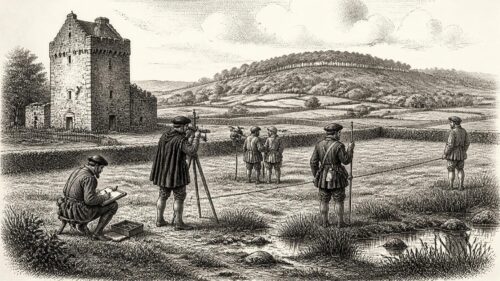
In 1550, Sir Anthony St Leger restored negotiation to Tudor Irish policy, promoting surrender and regrant despite disputes favouring military coercion. French approaches in Ulster exposed fragmented lordships and competing dynastic interests rather than a united anti-English alliance. The crown ordered surveys and proposed leasing in Leix and Offaly, beginning systematic plans for territorial intervention without securing control. A proposed Irish mint reflected fiscal ambitions. Humphrey Powell received funding for a Dublin printing press, linking Edwardian religious reform with state communication, though printing and the English liturgy began later. Language, local power and limited resources constrained government ambitions across Ireland.
Limerick Court
Archived: 18 October 2026
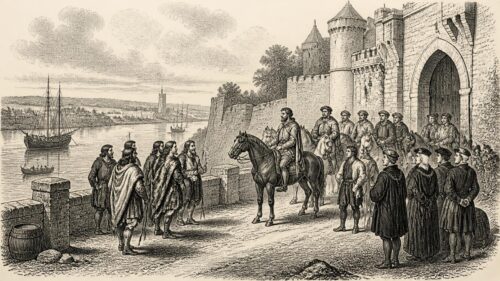
In 1549, Tudor authority in Ireland rested on negotiation, military pressure and limited resources. William Brabazon replaced Edward Bellingham as lord justice and held a major court at Limerick, where regional lords accepted a contingent peace secured by civic and aristocratic guarantees. Conflict continued across the midlands and west through castle seizures, raids, killings and disputed successions within Gaelic kindreds. Gunpowder caused Dermot O’Sullivan’s death, illustrating changing warfare. French envoys explored an Ulster alliance through Lough Foyle but found Gaelic divisions. Religious reform remained uneven, while local lordship, kinship and control of land shaped daily political realities beyond royal centres.
Fort Protector
Archived: 18 October 2026
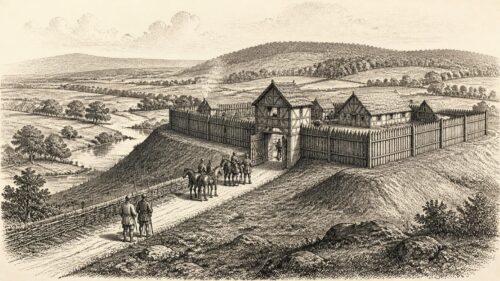
In 1548 Sir Edward Bellingham replaced Anthony St Leger as lord deputy, shifting Tudor policy from accommodation towards military occupation. Fort Protector, established in Leix on the future site of Portlaoise, provided a permanent garrison base against the O’Mores and O’Connors. Cahir Roe O’Connor was executed, while Brian O’Connor Faly and Giolla Pádraig O’More submitted, were taken to England, and the latter died there. Cess and the reopened Dublin mint supported government. Bellingham intervened in Wicklow, detained Desmond, while Ulster remained divided by conflict. Edwardian religious reforms advanced unevenly. Tudor power remained limited but relied on garrisons, coercion and confiscation.
Shannon Fortress
Archived: 18 October 2026
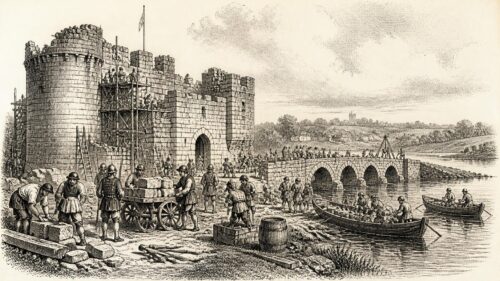
In 1547, Edward VI’s accession left Sir Anthony St Leger governing Ireland through system of negotiated loyalties. Dynastic conflict in Laois and Offaly sparked the Midland Rebellion, drawing in Ó Mórdha and Ó Conchobhair Fáilghe forces and exposing limits of conciliation. Reinforcements under Sir Edward Bellingham supported campaigns, while criticism of St Leger intensified. William Brabazon repaired Athlone Castle, strengthening a Shannon crossing. Dublin’s St Patrick’s Cathedral was suppressed and its assets redistributed, though religious reform remained uneven. A storm and cattle raiding illustrated vulnerability. By year’s end, warfare, financial scrutiny and division pushed Tudor government towards garrisons and force.
Inis Saimer
Archived: 18 October 2026
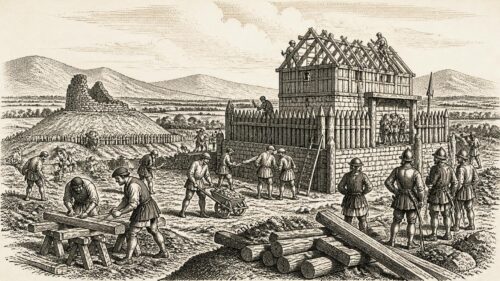
In 1546, Henry VIII's Irish government faced factional conflict and uneven authority. Sir Anthony St Leger defeated the Earl of Ormond in disputes over regional power, though Ormond's death soon exposed continued dependence on magnates. A fort at Daingean extended crown influence into the midlands, provoking annalistic accounts of destruction. In Ulster, Donnell O'Donnell's murder at Inis Saimer violated guarantees of protection and reflected enduring Gaelic politics. Debased copper coinage affected exchange, while episcopal appointments asserted royal control over the Church. The imprisonment of poet-teacher Teige O'Coffey highlighted pressures on bardic learning. These events reveal a kingdom undergoing contested transformation.
Some records do not yet have a verified historical year and are awaiting chronological placement.