On the Eve of Expansion31801 BCE
The reference year 31,801 BCE places Ireland within the Late Pleistocene, without claiming an event datable to that precise year. Glacial deposits, freshwater sediments and cave faunas suggest cold conditions before greater ice expansion. Open ground and freshwater environments could persist locally as the British-Irish Ice Sheet developed unevenly. Later glaciation destroyed or buried earlier surfaces, making annual reconstruction impossible. Evidence from Derryvree, Castlepook and regional ice studies instead supports environmental sequences. The article treats the date as an archival marker, explaining how fragmentary deposits, animal remains and calibrated dating inform cautious accounts of Ireland’s changing prehistoric landscape and ecology.
Dateline
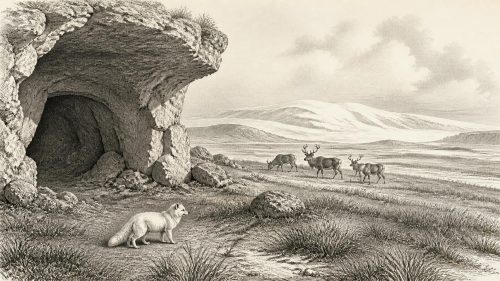
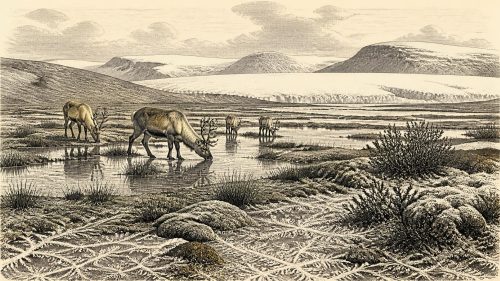
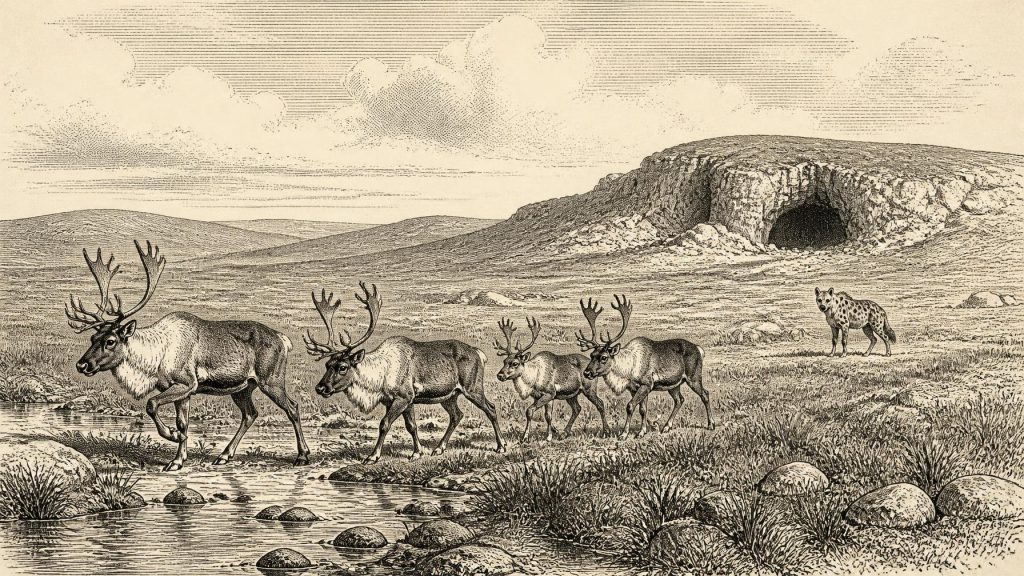
31,801 BCE is a modern reference year within the Late Pleistocene rather than a precisely dated Irish event. Evidence from glacial deposits, freshwater sediments and cave faunas describes a cold landscape approaching a period of greater ice expansion.
Changing Ireland
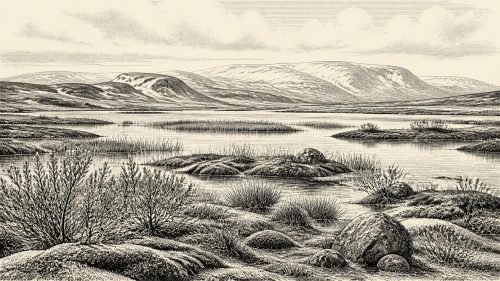
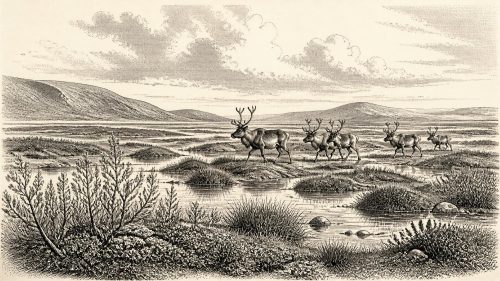
Open ground and freshwater environments could still persist locally while the British-Irish Ice Sheet developed across the wider region. The surviving evidence shows a landscape in transition rather than one uniform sheet of ice.
What Survives
Later glaciation erased or buried much of the earlier record, so exact annual reconstruction is impossible. This date is best understood as an archival marker within a broader environmental sequence.
Primary Sources
Research draws on BRITICE-CHRONO, Derryvree studies, Castlepook investigations, National Museum collections, Quaternary science research and radiocarbon calibration evidence.